










Diwali Puja Samagri List 2026: Complete Lakshmi Puja Checklist for Home
Diwali 2026 falls on Sunday, 8 November. For families preparing to welcome Goddess Lakshmi and Lord Ganesha into their homes, the days before Diwali are a good time to arrange the puja samagri, clean the worship area and check that nothing essential has been left until the last minute.
The familiar preparations often begin with cleaning the house, arranging diyas, buying flowers and sweets, and setting aside the items needed for Lakshmi Ganesh Puja. Yet when it comes to the actual samagri, it is easy to overlook something small. Cotton wicks, roli, akshat, camphor, incense, a puja thali or even a clean cloth for the chowki may be missing when the family gathers for worship.
This guide brings the commonly used Diwali puja items together in one place. It explains what you need for Lakshmi Ganesh Puja at home, which additional materials are used in more elaborate traditions, how to prepare the puja space, and what you can arrange in advance.
Whether you are performing Diwali Puja in Lucknow, another North Indian city or anywhere else in India, use this checklist as a practical starting point. Your family tradition and the guidance of your priest should take precedence wherever ritual requirements differ.
1. When Is Diwali in 2026? Date and Lakshmi Puja Preparation
Diwali, also called Deepawali, is one of the most widely observed Hindu festivals. Homes are cleaned and decorated, lamps are lit, sweets are prepared, and families worship Goddess Lakshmi, associated with prosperity, and Lord Ganesha, associated with wisdom and auspicious beginnings.
In 2026, Diwali falls on Sunday, 8 November. The date is also listed by the Government of India’s Incredible India tourism portal. You can consult a recognised panchang for the relevant city to confirm the local puja muhurat and ritual timings.
The main Lakshmi Ganesh Puja is traditionally performed during an auspicious evening period, but the precise timing depends on the location and the calendar followed. Families in Lucknow should consult a Lucknow-specific panchang rather than automatically following timings published for Delhi or another city.
Preparing the samagri beforehand leaves more time for the actual observance. It also allows you to distinguish the items needed for the main puja from those used for decoration, food offerings or additional family rituals.
For a simple household puja, there is no need to purchase every item appearing in an elaborate ritual manual. Start with the materials required by your family’s practice and add the appropriate items for the observances you intend to perform.
2. Complete Diwali Puja Samagri List for Home
The exact Diwali puja samagri list varies across regions, family traditions and the form of worship being performed. The following checklist covers commonly used items for Lakshmi Ganesh Puja and associated household preparations.
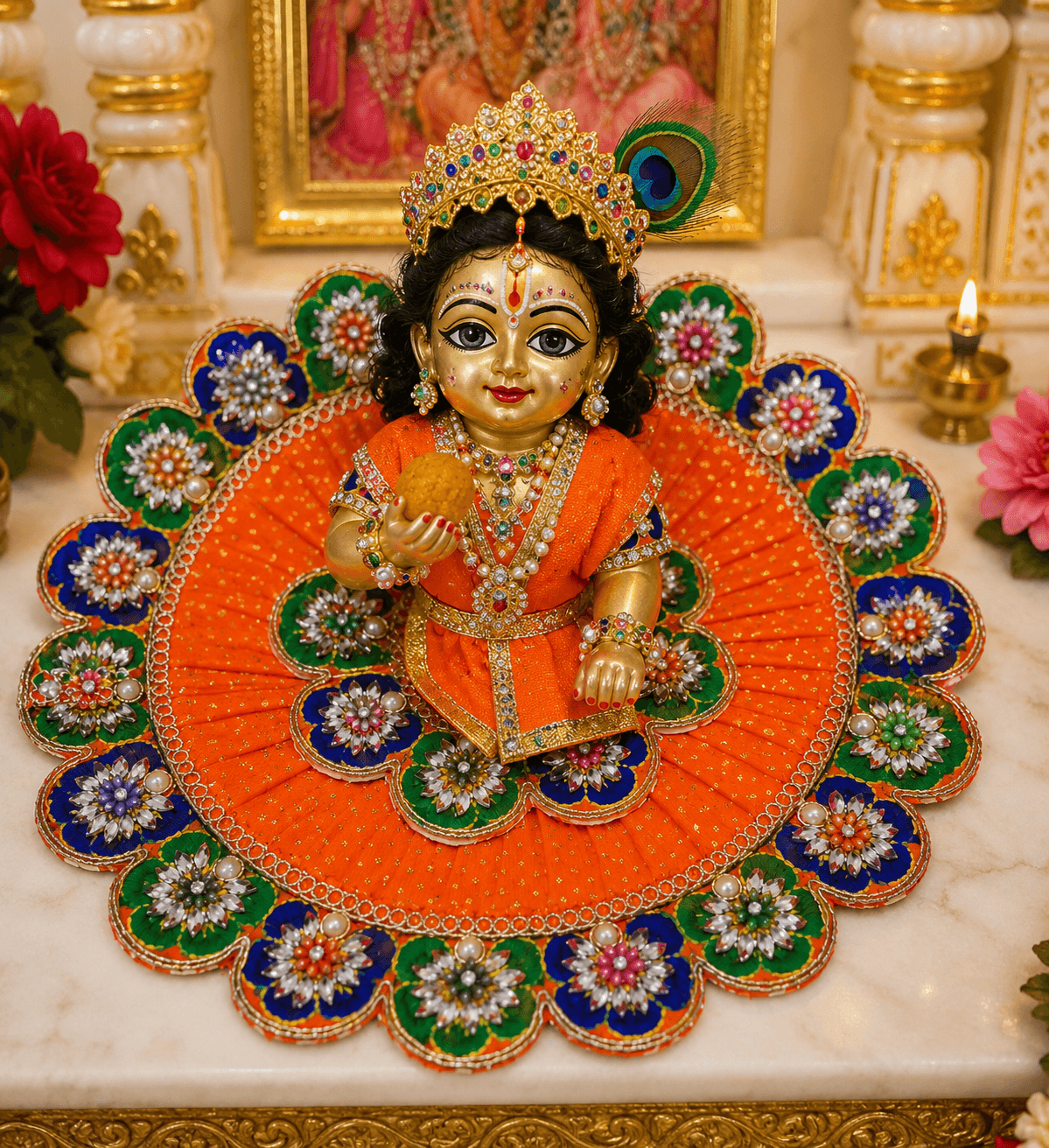
For the puja setup, arrange a clean chowki or low platform, a clean red or yellow cloth, idols or pictures of Goddess Lakshmi and Lord Ganesha, a puja thali, a small bell if used in your tradition, and a clean place for the offerings.
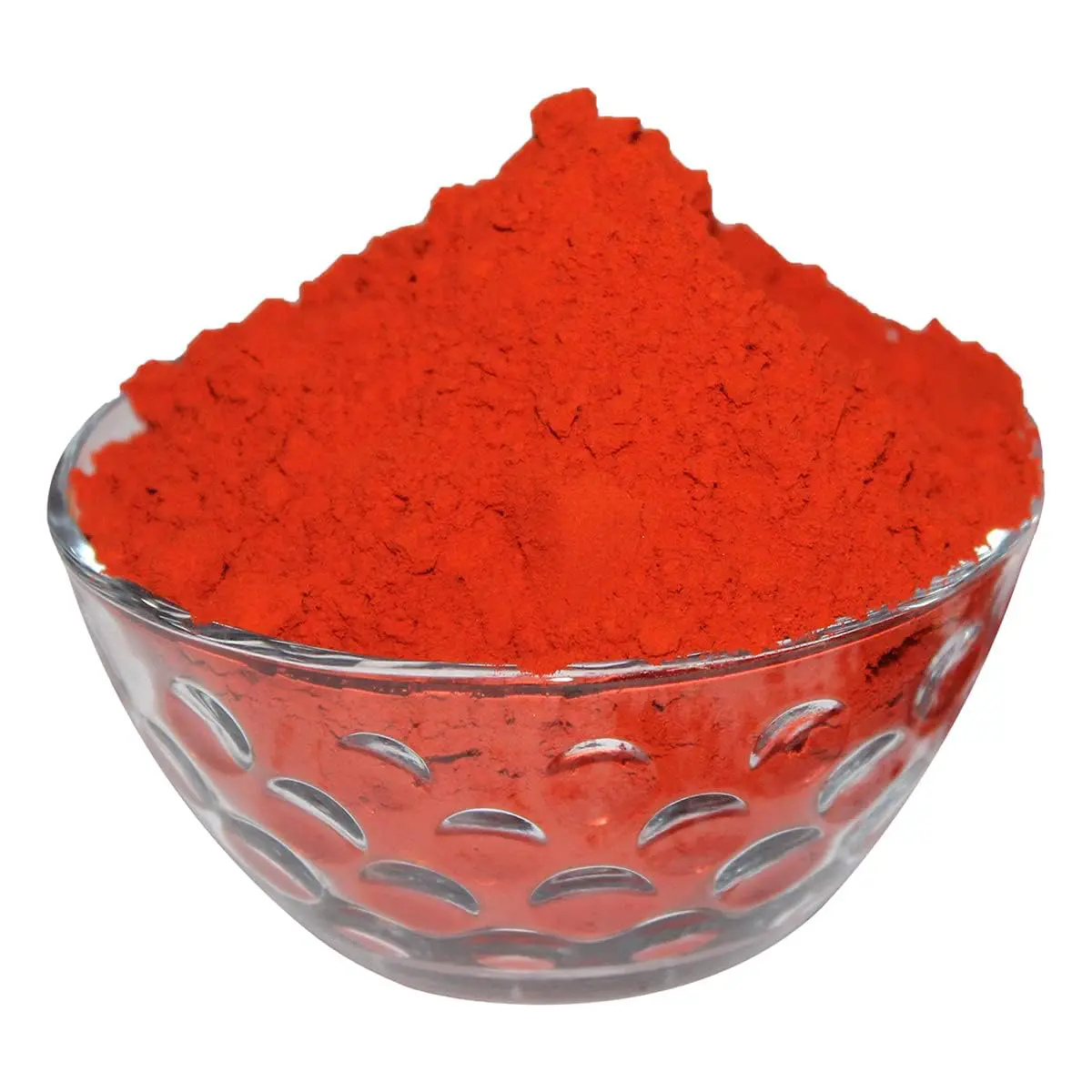
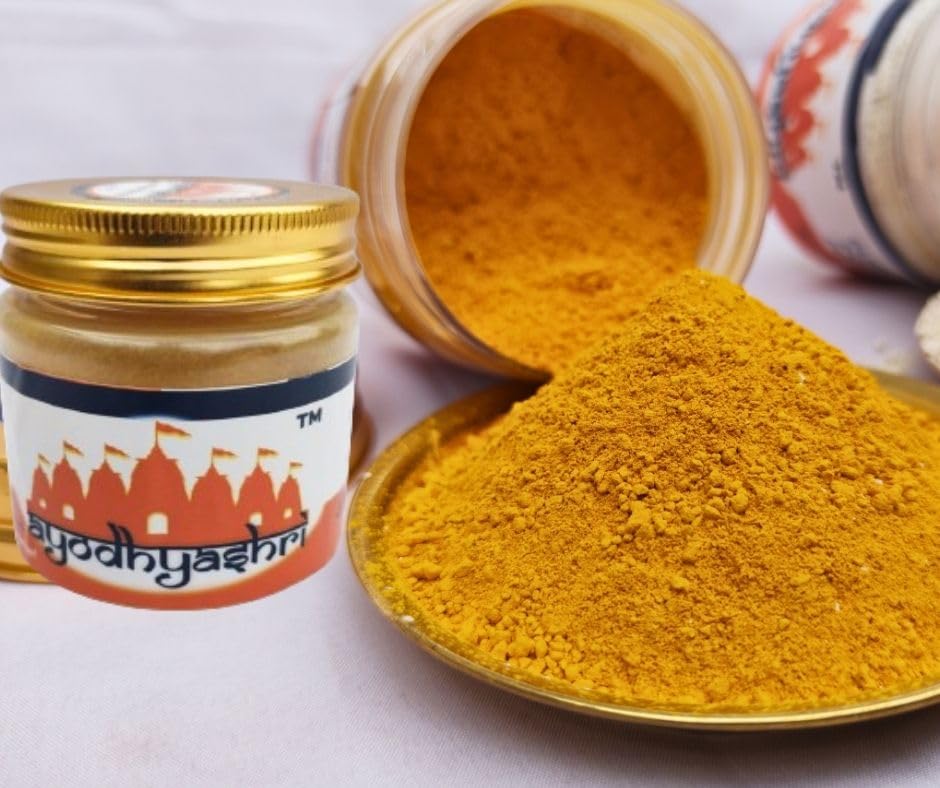
For the main puja, keep roli or kumkum, turmeric, akshat or unbroken rice, sandalwood paste, flowers, garlands where appropriate, water, a kalash if required by your ritual, and any additional offerings specified by your family tradition.
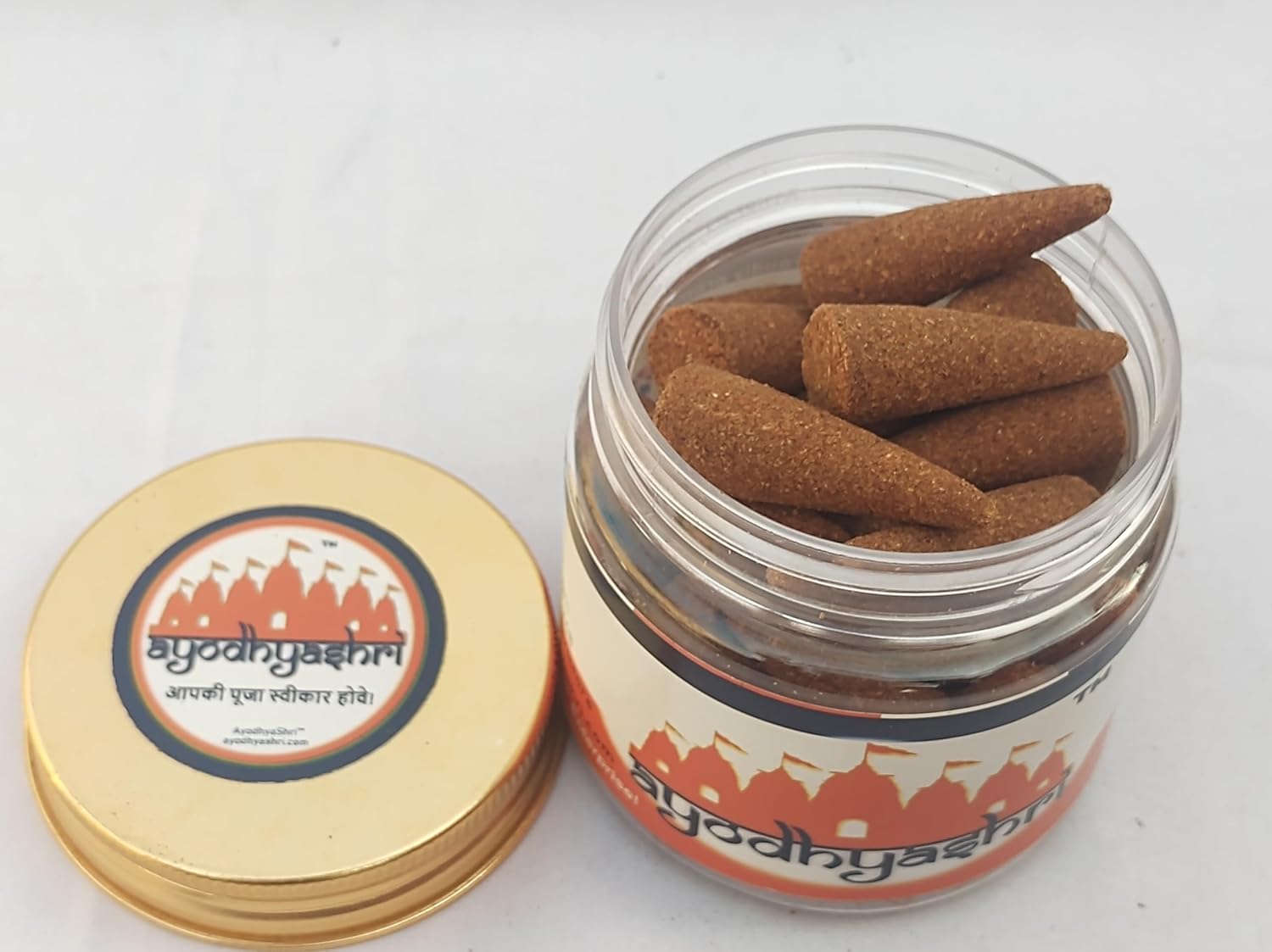
For lighting and aarti, prepare earthen diyas or the lamps used in your home, cotton wicks, oil or ghee, camphor, incense sticks and dhoop. Check that the lamps are in good condition and that you have enough wicks for the planned use.
For bhog and prasad, arrange fresh fruits, sweets, batasha, kheel or other traditional offerings used in your household. Betel leaves, supari and other customary offerings may also be included where appropriate.
For additional traditional observances, some families arrange coins, account books, a pen, a kalash with its customary contents, or other materials associated with their Lakshmi Puja or Chopda Puja practice.
You do not need to treat every item in this list as mandatory. Some materials belong to particular regional traditions or more elaborate forms of worship. Follow your household’s established practice and consult your priest if you are unsure about a ritual requirement.
The most useful approach is to divide the list into three groups: items you already have, consumables you need to replenish, and fresh offerings to purchase close to the festival.
3. Lakshmi Ganesh Puja Samagri: What Each Item Is Used For
A list is helpful, but understanding the purpose of the materials makes preparation easier. It also helps families avoid unnecessary purchases when they already have suitable items at home.
Lakshmi and Ganesha idols or pictures form the central focus of the worship. Families arrange them respectfully on a clean platform according to their established tradition. There is no need to purchase new idols simply because Diwali is approaching if your existing worship items are suitable for continued use.
Roli, kumkum, turmeric and akshat are commonly used in Hindu puja. Their specific application varies with the ritual being followed. Akshat generally refers to unbroken rice used as an offering, while roli or kumkum is commonly used for tilak.
Flowers and garlands are used as devotional offerings and to decorate the worship area. Fresh flowers can be purchased closer to the puja so they remain in good condition. Lotus flowers are associated with Goddess Lakshmi in many traditions, but availability and family practice differ.
A kalash and water are included in many traditional puja arrangements. Depending on the ritual, the kalash may be prepared with mango leaves, a coconut or other customary items. Follow the instructions appropriate to your form of worship rather than assuming that every household uses an identical arrangement.
Coins and account books have a place in some families’ Lakshmi Puja customs, especially among business households that perform Chopda Puja. Others focus on the main Lakshmi Ganesh worship without a separate account-book ritual.
The puja thali keeps small offerings organised and within reach. A clean plate or suitable tray already available at home may be sufficient. What matters is that the materials are arranged respectfully and are ready before the ceremony begins.
Understanding these differences makes the preparation process less stressful. It also helps you decide which items need to be purchased and which can be reused from your existing puja collection.
4. Diya, Cotton Wicks, Camphor and Incense: Items to Check Before Diwali
Lighting lamps is one of the most recognisable parts of Diwali. Rows of diyas around entrances, balconies and courtyards bring a festive atmosphere to the home, while a lamp is also used during the puja according to family tradition.
The practical details deserve attention because these are among the items most likely to run out during the festival.
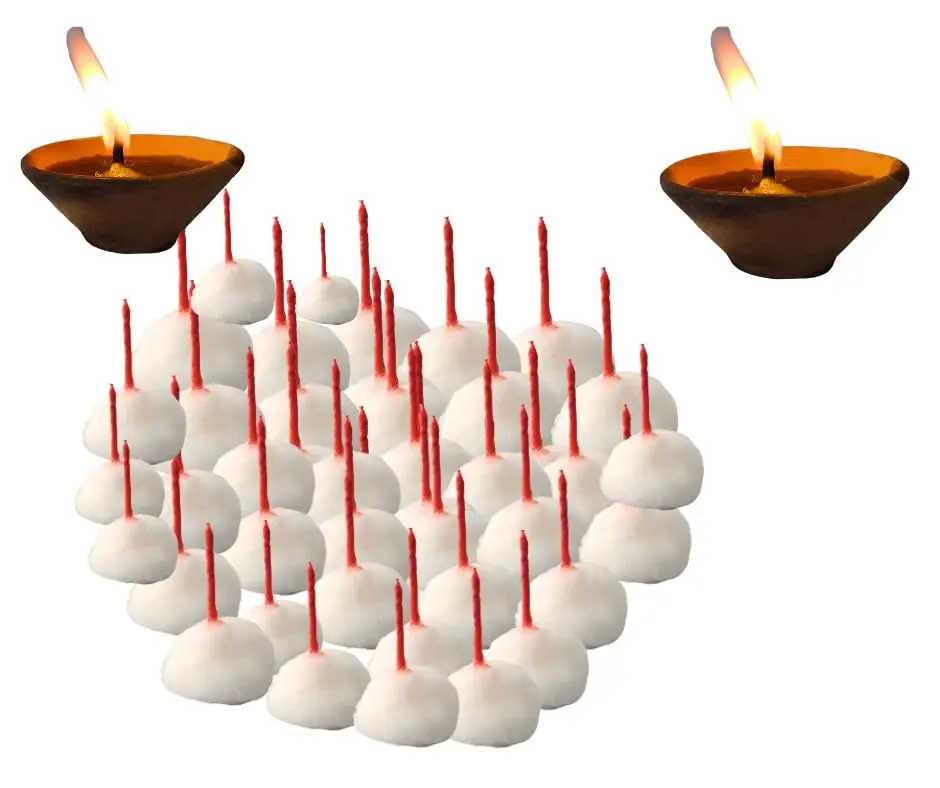
Cotton wicks are used with suitable oil or ghee lamps. Round wicks, twisted wicks and longer wicks serve different practical purposes depending on the lamp and the way it is used. Check the type of wick you need before buying a pack.
If you are replenishing your supplies, explore the AyodhyaShri puja store for relevant cotton-wick products. Confirm the current product description, pack size and availability before ordering.
Camphor is commonly used during aarti in many Hindu households. Store it according to the product instructions, away from heat and ignition sources, and keep it out of children’s reach.
Incense sticks and dhoop are used in many daily worship practices and festival pujas. They are not interchangeable in every context, so choose the form traditionally used in your home.
Oil or ghee should be suitable for the lamps being used. Keep additional fuel in a safe place away from open flames, and avoid overfilling lamps.
If you are ordering puja consumables online, check the delivery estimate before completing the purchase. With Diwali approaching, local availability may be the more practical option for items that cannot arrive in time.
Never leave a burning diya, camphor flame or incense unattended. Keep flames away from curtains, paper decorations, clothing and other combustible materials. Place lamps on stable, heat-resistant surfaces, with adequate ventilation and enough space around them.
5. Bhog and Prasad for Lakshmi Puja
Food offerings form an important part of Diwali worship. The specific bhog depends on family tradition, regional custom and personal preference, so there is no single menu that every household must follow.
Common preparations include sweets, fruits, batasha, kheel and other traditional offerings. Some families prepare homemade delicacies, while others purchase sweets from a trusted local shop.
Arrange the offerings in clean utensils and keep them covered until they are needed. If fresh fruit is part of your family’s practice, buy it close enough to the festival that it remains fresh.
Families should also consider food hygiene when preparing prasad. Use clean utensils, store perishable ingredients appropriately and avoid leaving food exposed for long periods.
For a busy household, planning the bhog in advance can be as helpful as preparing the puja samagri. Decide what will be made at home, what will be purchased and which items can be arranged a day or two before the puja.
Remember that a traditional list may mention additional ingredients or offerings that are not used by every family. Follow the requirements of your own observance rather than purchasing items simply because they appear on an extensive checklist.
6. How to Prepare Your Home for Diwali Lakshmi Puja
The preparation of the home usually begins well before the evening worship. Cleaning, arranging decorations and organising the puja space can make the day calmer for everyone involved.
Start by cleaning the area where the puja will take place. Choose a stable platform, spread a clean cloth if required, and arrange the idols or pictures according to your household tradition.
Next, check the lighting arrangements. Decide where the diyas will be placed and ensure that each location is safe for an open flame. Keep electrical decorations away from water and avoid overloading electrical outlets.
Prepare the puja thali and group the smaller materials together. Keep roli, akshat, turmeric, flowers and other offerings in suitable containers so that they are easy to reach when needed.
Arrange the lamps, wicks, oil or ghee, camphor and incense separately. Keeping these items together helps prevent last-minute searching and makes it easier to handle anything that needs special care.
Finally, prepare the food offerings and check the local puja timing. If your family follows a particular vidhi, keep the necessary instructions available and ask your priest about any uncertainties before the ceremony begins.
In many Lucknow households, Diwali preparations combine family customs, traditional food, decorative lights and Lakshmi Ganesh worship. The details differ from home to home, but the practical principle remains the same: prepare the space and materials before the time set aside for worship.
7. Which Diwali Puja Items Should You Buy in Advance?
Not every item needs to be purchased on the same day. Separating the shopping list by how quickly the materials are needed makes the preparation process more manageable.
Reusable puja items include a suitable chowki, puja thali, bell, containers and existing idols or pictures. Check what you already own before buying replacements.
Shelf-stable consumables include cotton wicks, incense, dhoop and appropriately packaged camphor. These can often be arranged ahead of the festival, provided the products are stored correctly.
Fresh offerings include flowers, garlands, fruits and certain food preparations. These are usually better purchased closer to the puja so that their quality is maintained.
Ritual-specific materials depend on the observance being performed. If you intend to follow a detailed Lakshmi Puja vidhi, confirm the required items before making a separate purchase.
For readers shopping online, the key consideration is delivery timing. An item appearing in a catalogue is not a guarantee that it will reach your address before Diwali. Check the delivery estimate, product specifications and seller information before ordering.
AyodhyaShri offers a range of puja essentials and ritual materials through its online store. Browse the available products, compare the descriptions with your checklist and purchase only what you actually need.
The goal is not to accumulate more samagri than necessary. It is to have the right materials ready for the puja your family intends to perform.
8. Common Mistakes to Avoid When Preparing Diwali Samagri
One common mistake is following an extensive online list without checking whether every item belongs to the family’s ritual tradition. Detailed puja manuals may include materials intended for particular ceremonies, while a simple household Lakshmi Ganesh Puja may require fewer items.
Another mistake is leaving consumables until the final hours. Cotton wicks, camphor, incense and suitable lamp fuel are small purchases, but forgetting them can interrupt preparations. Check these items early and keep them together.
Families sometimes buy fresh offerings too far in advance. Flowers, garlands and perishable food may lose quality if stored improperly. Plan these purchases around the festival rather than treating all samagri as shelf-stable.
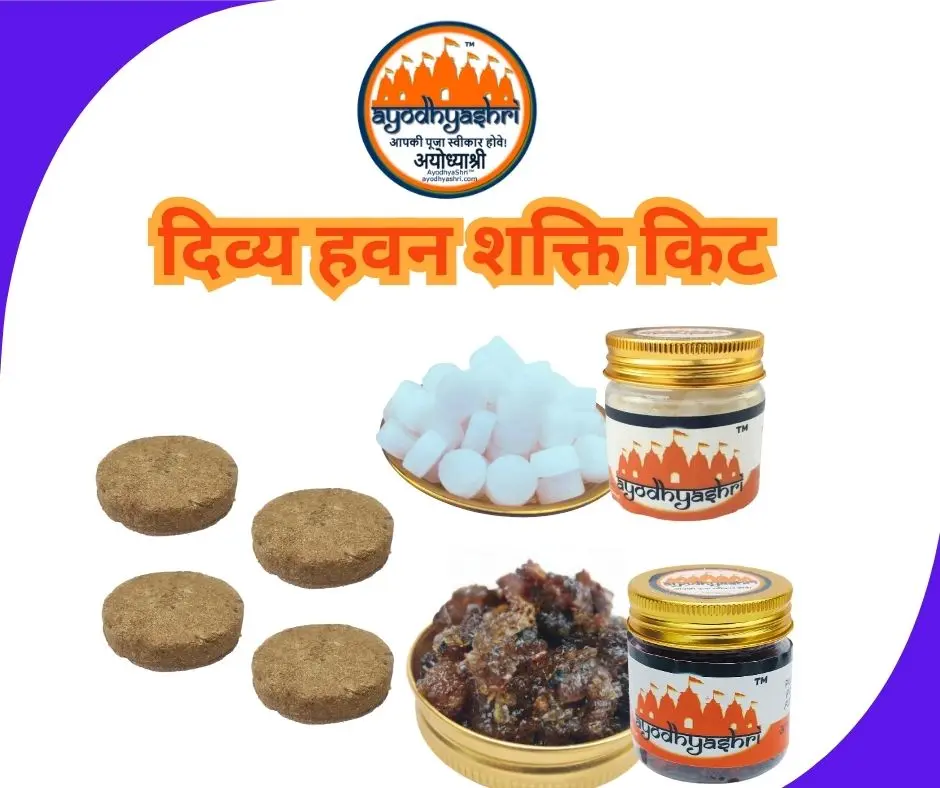
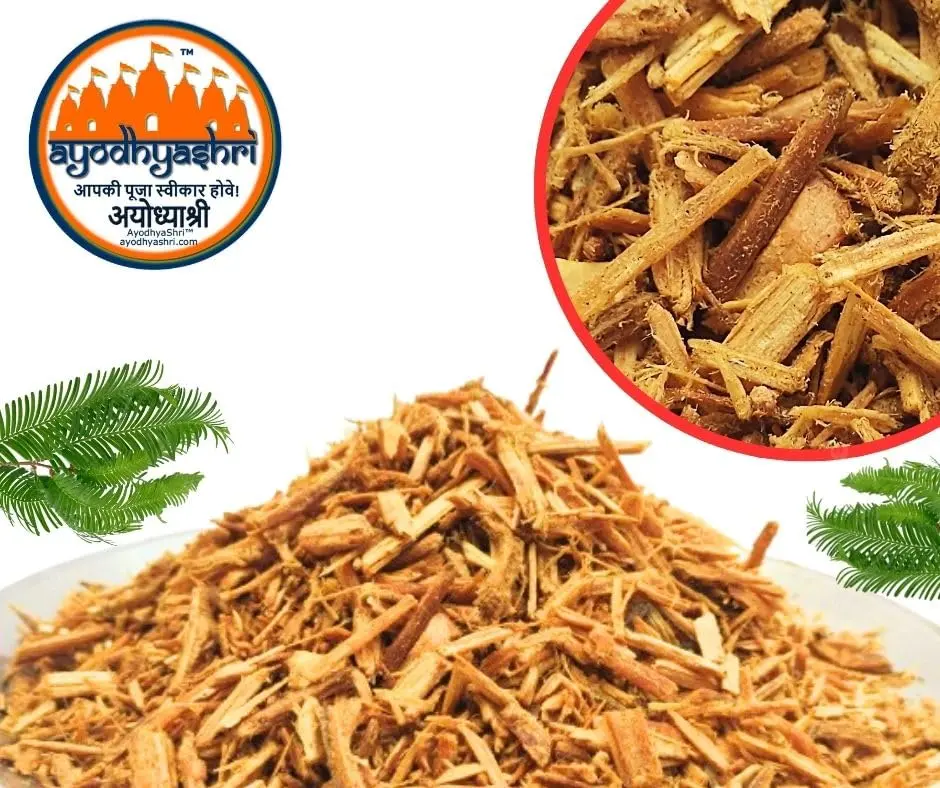
It is also easy to confuse related products. Dhoop, incense sticks, samidha and hawan samagri serve different purposes. If you are preparing for a specific fire ritual, confirm the materials required instead of assuming that one product can replace another.
Finally, do not let the shopping list overshadow the purpose of the observance. A household does not need to purchase every decorative or ritual item available in the market. Use what is suitable, maintain the cleanliness of the worship space and follow the practice your family observes.
9. Buying Diwali Puja Samagri Online: What to Check
Online shopping can be useful when you need to replenish several puja essentials at once. It is especially convenient for products that are not perishable and whose specifications can be checked before ordering.
Begin with the product description. Check the intended use, material, quantity, pack size and any handling instructions. If a listing makes claims about composition or purity, look for supporting product information rather than relying only on promotional language.
Next, review the delivery estimate. As Diwali approaches, delivery timelines may vary by location and seller. If you need the item for the main puja, do not rely on an estimated delivery date without checking the details at checkout.
For consumables such as cotton wicks, dhoop and camphor, select products that match your intended use. If you need a particular type of wick or a specific form of dhoop, read the listing carefully before purchasing.
AyodhyaShri’s website provides a starting point for browsing puja essentials. You can visit AyodhyaShri to review the current catalogue and check which products are suitable for your preparation needs.
If you also shop through Amazon, verify the seller, listing details, pack quantity and delivery estimate there separately. Availability and pricing can differ between the website and marketplace.
A useful shopping decision is one that saves time without creating unnecessary expense. Compare what you already have at home, what you need for your particular ritual and what can be purchased locally.
10. A Simple Diwali Puja Preparation Plan for Busy Families
The easiest way to avoid last-minute stress is to divide the preparation into a few manageable tasks.
Several days before Diwali, review the samagri list and inspect your existing puja supplies. Confirm the idols or pictures, chowki, puja thali and other reusable items. Make a note of consumables that need replenishing.
A day or two before the festival, arrange the non-perishable materials and prepare the worship area. Confirm the local puja timing and check whether your family follows any specific ritual instructions.
On the day of Diwali, arrange fresh flowers, fruits and other perishable offerings as needed. Prepare the bhog, check the lamps and wicks, and place the samagri where it can be reached comfortably.
Before the puja begins, review the checklist once more. Ensure that the area is clean, the offerings are ready, and lamps can be used safely. Keep children away from open flames and do not leave burning materials unattended.
This simple process works for households that perform a modest daily-style puja as well as families that follow a more elaborate Lakshmi Ganesh Puja. The exact materials may differ, but preparing them in advance gives everyone more time to participate in the observance.
Diwali is a time for family, reflection and the welcoming of auspicious beginnings. A thoughtfully prepared puja space helps make the occasion calmer and more meaningful.
Frequently Asked Questions About Diwali Puja Samagri
1. What items are required for Diwali Lakshmi Puja at home?
Commonly used items include idols or pictures of Goddess Lakshmi and Lord Ganesha, a clean chowki, a cloth for the platform, a puja thali, roli or kumkum, turmeric, akshat, flowers, water, diyas, cotton wicks, oil or ghee, incense and camphor. Fruits and sweets are commonly arranged as offerings.
Some families also use a kalash, coins, betel leaves, supari and other materials according to their tradition. Elaborate rituals may require additional ingredients. Check your family’s established puja method before shopping, because every item on an extensive list is not compulsory for every household.
2. When is Diwali in 2026?
Diwali falls on Sunday, 8 November 2026, according to the festival date published by Incredible India and other calendar references. Lakshmi Puja is traditionally performed during an auspicious evening period.
The exact muhurat depends on the location and the panchang being followed. Families in Lucknow should check a reliable local panchang for the relevant timings rather than assuming that a time published for Delhi or another city will apply unchanged.
3. What should be included in a Lakshmi Ganesh Puja samagri list?
A practical list includes the idols or pictures, a suitable platform, a clean cloth, a puja thali, roli, turmeric, akshat, flowers, water, lamps, cotton wicks, suitable lamp fuel, incense and camphor. Sweets and fruits are commonly arranged as bhog.
A kalash and additional offerings may be required depending on the ritual. If you are following a particular vidhi, use its instructions to identify any additional materials. Group the items into reusable supplies, shelf-stable consumables and fresh offerings to make preparation easier.
4. Can I perform Diwali Puja with simple samagri?
Yes. Many households perform a simple Lakshmi Ganesh Puja using the materials appropriate to their family tradition. You do not need to purchase every item that appears in a long online checklist.
Start with the essential items required for your chosen form of worship, arrange a clean space and prepare the offerings you intend to use. If you are following a specific ritual prescribed by your priest, ask which materials are required and which are optional. This helps you avoid both unnecessary purchases and the omission of items important to your observance.
5. Why are cotton wicks and camphor used during Diwali Puja?
Cotton wicks are used in suitable oil or ghee lamps, which are commonly lit during Diwali worship and home decoration. Camphor is traditionally used during aarti in many Hindu households. Both products therefore appear on many Diwali puja samagri lists.
Choose wicks that suit the lamps you have, and follow the product instructions for camphor. Keep all burning materials away from curtains and decorations, use stable heat-resistant surfaces and never leave an open flame unattended. Adequate ventilation is also important when using incense or dhoop indoors.
6. Which Diwali puja items can I buy online?
Non-perishable items such as cotton wicks, incense, dhoop and appropriately packaged camphor are common candidates for online purchase. Reusable puja accessories may also be purchased online when needed.
Before ordering, check the product description, quantity, intended use, seller details and delivery estimate. Festival demand can affect availability and delivery times, so an online listing should not be treated as a guarantee that an item will arrive before the puja. Fresh flowers, garlands and fruits are often easier to arrange locally closer to the festival.
7. Is a complete Diwali Puja Kit better than buying items separately?
A complete kit can be convenient if its contents match the ritual you intend to perform. It may reduce the time spent sourcing multiple small items, particularly for families that do not already maintain a full collection of puja materials.
However, not every kit contains the same items, and some may include materials you already have at home. Compare the contents with your own checklist before purchasing. If you only need cotton wicks, camphor or incense, buying those specific items may be more practical than purchasing an entire kit.
8. What should I do if an item on my Diwali Puja samagri list is unavailable?
First, check whether the item is essential to the particular ritual or belongs to an optional or regional custom. If it is a required component of the ceremony, ask your priest or follow the guidance of your family’s established tradition before substituting another material.
Some rituals allow customary alternatives, but there is no universal replacement rule for every puja item. Avoid assuming that any readily available product can serve the same purpose. When an item is simply decorative or optional, you may be able to proceed without it, depending on your tradition.
Prepare for Diwali with AyodhyaShri
Diwali preparations are easier when the samagri is organised before the day of worship. A little planning helps you identify what is already available at home, what needs replenishing and which fresh offerings should be purchased closer to the festival.
If you need to replenish your puja essentials, visit AyodhyaShri to explore the current collection. Review the product details and delivery estimates before ordering, particularly with Diwali approaching.
Prepare thoughtfully, follow your family’s traditions and keep the worship space safe. May this Diwali bring peace, happiness and auspicious beginnings to your home.






 Home
 Whishlist
 Compare
 Checkout
 Account