








Chhath Puja Samagri List 2026: Complete Checklist for Home
There is a particular feeling in a household preparing for Chhath Puja. The soop and daura come out, fruits are arranged carefully, thekua preparations begin, and someone inevitably asks whether everything needed for the arghya has been arranged. In many families, preparations start several days before the festival because Chhath is not just another date on the calendar. It is a deeply observed family tradition, carried forward through discipline, devotion and generations of shared practice.
For families in Lucknow, eastern Uttar Pradesh, Bihar and neighbouring regions, Chhath Puja often brings together relatives who live far apart for much of the year. Some return to their ancestral homes. Others observe the festival beside a nearby pond, river, designated ghat or a suitably prepared household space, according to local arrangements and family tradition.
The preparations can feel overwhelming, particularly for younger family members who are organising the festival themselves for the first time. Which items go into the soop? What is needed for Sandhya Arghya and Usha Arghya? Which offerings should be bought fresh? What should be arranged before Nahay Khay, and what needs to be ready on the morning of the final arghya?
This guide brings the commonly used Chhath Puja samagri together in one place. It explains the traditional offerings, the four days of Chhath, the role of the soop and daura, and the household preparations that help everything run smoothly.
The checklist is intended as a practical guide, not a replacement for your family’s established rituals. Chhath traditions differ between regions and households, so follow the guidance of experienced family members and your local tradition wherever specific requirements vary.
1. Chhath Puja 2026 Dates: Nahay Khay to Usha Arghya
Chhath Puja in 2026 will be observed from Friday, 13 November, to Monday, 16 November. The festival is dedicated to Surya Dev, the Sun God, and Chhathi Maiya, and is particularly associated with Bihar, eastern Uttar Pradesh and communities that have carried these traditions to other parts of India.
The four days follow a distinct sequence. Nahay Khay begins the observance, Lohanda and Kharna follow, Sandhya Arghya is offered to the setting sun, and Usha Arghya is offered to the rising sun on the final morning.
Nahay Khay falls on 13 November. Lohanda and Kharna fall on 14 November. Sandhya Arghya takes place on 15 November, followed by Usha Arghya and the conclusion of the observance on 16 November.
The exact ritual timings depend on the location. Families in Lucknow should consult a reliable Lucknow-specific panchang or local festival guidance before planning their visit to a ghat. The sunset and sunrise timings published for Delhi, Patna or another city should not automatically be applied to Lucknow.
This calendar is useful because Chhath preparations do not begin on the main evening. The household must plan meals, prepare offerings, arrange the traditional vessels and ensure that everything required for both arghyas is available.
If you are coordinating the festival for your family this year, start with the four-day schedule. Then work backwards to create a shopping list and a preparation plan that suits your household’s customs.
2. Complete Chhath Puja Samagri List for Home
The traditional Chhath Puja samagri list is centred on the offerings made to Surya Dev and Chhathi Maiya. Many of the materials are fresh food offerings, while others are traditional vessels, household utensils and items used to prepare the arghya.
The exact list depends on regional practice. The following is a practical starting point for families preparing for Chhath, particularly those following traditions common in Bihar and eastern Uttar Pradesh.
Traditional vessels and carrying materials: A bamboo soop or sup, a daura or suitable basket, clean trays, and the vessels used by your family for carrying and offering the samagri. Some families use several soops and baskets for different offerings.
Fruits and seasonal offerings: Bananas, coconuts, sugarcane, seasonal fruits and other offerings traditionally used by the household. The varieties and quantities can differ between families and local customs.
Traditional prasad: Thekua, the family’s customary preparations for Kharna, and other offerings used in the observance. Ingredients and preparation methods should follow the household’s established practice.
Items for the arghya: Water in an appropriate vessel, fruits and other customary offerings, and the items your family places in the soop or daura. Some households also arrange milk or other traditional offerings according to their ritual practice.
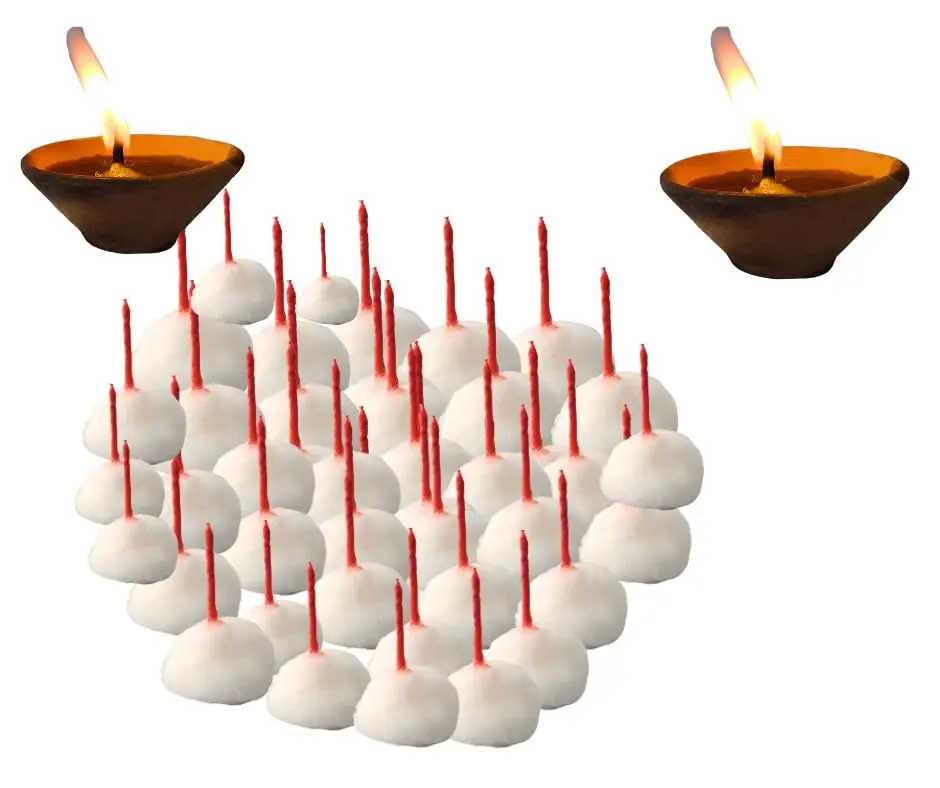
Puja essentials: A clean cloth, flowers, suitable utensils and other items required by the family’s method of worship. Cotton wicks, a diya or other lighting materials may be used where customary, but they are not substitutes for the traditional offerings that form the centre of Chhath.
Household preparation supplies: Clean storage containers, covered trays for prepared food, and suitable arrangements for carrying offerings to the ghat. These practical items help keep the samagri organised and protect food from dust and contamination.
Do not assume that every item on an extensive online list is compulsory. The quantities, types of fruit and arrangement of offerings can vary by region and family tradition. Ask the experienced members of your household which materials they expect for this year’s observance.
A useful way to organise the list is to separate the items into three groups: traditional offerings to buy fresh, prasad ingredients to prepare at home, and reusable puja materials that can be cleaned and arranged beforehand.
3. Soop, Daura and the Traditional Chhath Offerings
If you have grown up around Chhath, the soop and daura probably need little explanation. For someone preparing the festival independently for the first time, however, understanding their role can make the shopping and packing process much easier.
A soop is a traditional winnowing tray, commonly made from bamboo. During Chhath, it is used to arrange and present offerings according to the family’s custom. The fruits and other samagri are placed carefully rather than packed together without thought.
A daura is a traditional basket used to carry offerings and other festival materials. Its size and contents depend on the household’s requirements. In some families, several baskets are prepared so that the materials for different offerings remain organised.
Bamboo soops and baskets are widely associated with the festival because of their place in traditional Chhath preparations. Families may obtain them from local artisans, weekly markets or seasonal stalls that appear before the festival.
The arrangement of the soop is not identical in every household. One family may place a particular selection of fruits and offerings together, while another follows a different arrangement passed down through generations. The most reliable guide is the practice followed by your family and local community.
When buying these materials, check that the baskets are clean, sturdy and suitable for carrying the planned offerings. Inspect the weaving, especially if the basket will hold several heavy fruits or be carried over a crowded route to the ghat.
If your family observes Chhath away from its ancestral village, speak to relatives in advance about the traditional materials they normally use. This is often easier than trying to reconstruct the entire arrangement from a generic online checklist at the last minute.
4. Fruits, Sugarcane and Other Offerings for Chhath Maiya
Fresh offerings are among the most recognisable parts of Chhath Puja. The sight of carefully arranged fruits and traditional prasad in the soop is familiar to families who have observed the festival for years.
Bananas, coconuts, sugarcane and seasonal fruits are commonly associated with Chhath offerings. Other fruits and ingredients may be included according to the household’s regional tradition.
The important practical point is to plan the quantities before going shopping. When several relatives contribute to the preparations, it is easy to purchase the same items more than once while forgetting something that the family specifically requires.
Make one list for the fruits and another for the other traditional offerings. Mark which family member is arranging each item, especially if relatives are shopping in different markets.
Freshness matters. Buy fruits from a reliable seller and inspect them for damage. Avoid choosing quantities that cannot be stored properly before the festival. If the household needs a large quantity of fruit, coordinate the purchase and storage arrangements rather than bringing everything home without a plan.
Sugarcane and other bulky offerings also need transport planning. Consider the distance to the ghat, how the offerings will be carried, and whether a separate basket or vehicle is needed.
Families in Lucknow may find it convenient to compare availability at neighbourhood fruit markets before the festival rush. In some areas, seasonal vendors begin selling traditional Chhath materials in the days leading up to the observance.
There is no need to make the list unnecessarily complicated. Start with the offerings used by your family, arrange the quantities carefully, and add regional items according to the tradition you are following.
5. Thekua, Kharna Prasad and Food Preparation
Ask anyone familiar with Chhath about the preparations at home, and the conversation will often turn to thekua. Its preparation is closely associated with the festival in many households, and the work can become a family activity involving several generations.
The ingredients and recipe differ between families, but thekua is commonly prepared using wheat flour, jaggery or sugar, and ghee or another suitable fat. Some households use their own established proportions and methods, so a family recipe is often the best starting point.
Kharna is observed on the second day of Chhath. The preparation and offering of prasad on this day follow the family’s ritual practice. In many households, rice pudding made with jaggery and roti are associated with the Kharna meal, though preparations can vary.
Because food preparation is an important part of the observance, plan the kitchen work separately from the shopping list for fruits and puja materials. Check that the necessary ingredients are available and that the cooking utensils are clean and ready.
Families following strict ritual practices may have particular rules for the preparation area, ingredients, cooking methods and handling of prasad. These should be followed according to the household’s tradition rather than replaced with general advice from the internet.
Store prepared offerings in clean, suitable containers and protect them from dust, insects and moisture. Keep fresh ingredients separate from prepared foods, and do not leave perishable items at unsafe temperatures.
If several people are helping, decide in advance who will prepare the thekua, who will arrange the Kharna ingredients and who will handle the fruit purchases. A little coordination can save a great deal of confusion when the household becomes busy.
The point is not to turn a traditional preparation into a project plan. It is to make sure the people observing the festival have the support they need, and the family can concentrate on the observance instead of searching for missing ingredients.
6. Nahay Khay and Kharna: What Should Be Ready?
The first two days of Chhath establish the rhythm of the observance. Understanding the sequence helps families decide which materials must be prepared early and which can wait until the main arghya.
Nahay Khay falls on 13 November in 2026. The day is associated with purification and the preparation of food according to the household’s tradition. Families observing the festival may clean the cooking area, arrange ingredients and prepare the meal followed by the person observing the vrat according to their established practice.
The household should have the necessary food ingredients, clean utensils and cooking arrangements ready before the day begins. If your family follows particular requirements for the preparation area or the handling of food, arrange these in advance.
Lohanda and Kharna fall on 14 November. The preparations for Kharna prasad should be coordinated so that the ingredients and utensils are ready at the appropriate time.
The precise rules for fasting, food preparation and the conclusion of the day’s observance should follow the guidance of the person observing the vrat and the family’s customary practice. Do not assume that every household follows identical rules.
This is also a good time to confirm the availability of the traditional vessels, fruits and offerings required for the next two days. If a soop or daura needs repair or replacement, arrange it before the main day rather than leaving it until the evening of Sandhya Arghya.
For families balancing work, school and household responsibilities, dividing the preparations between relatives can be helpful. One person can handle the fruit shopping, another the traditional baskets, and another the ingredients for prasad.
The main objective is to complete the demanding preparation work in good time so that the observance can proceed according to the family’s custom.
7. Sandhya Arghya: Preparing for the Evening Offering
Sandhya Arghya takes place on Sunday, 15 November 2026. For many families, this is the most visible part of the festival, when devotees gather near a river, pond or designated ghat to offer prayers to the setting sun.
The journey to the ghat can require as much planning as the preparation of the samagri itself. Families may carry several baskets, arrange transport for older relatives, and coordinate the movement of children and other family members.
Prepare the offerings according to your household’s tradition. Check the soop and daura, arrange the fruits and other customary materials, and ensure that the vessels used for the arghya are ready.
If you are travelling to a public ghat, find out whether local authorities have announced access arrangements, traffic diversions, parking restrictions or designated areas for devotees. These arrangements may differ between locations and can change from year to year.
Families observing Chhath in Lucknow should check local arrangements for their chosen ghat or waterbody rather than assuming that facilities will be the same as those in Patna, Varanasi or another city.
Carry the offerings securely and avoid placing food directly on dirty surfaces. Keep children close in crowded areas, use designated access routes and follow instructions from local officials or volunteers.
The exact contents of the offering vessels and the sequence of the ritual should follow the family’s practice. This article is intended to help with preparation, not prescribe a universal ritual sequence.
If you are observing the festival at home or in a community-arranged space, adapt the logistics to the facilities available and follow the instructions relevant to that observance.
8. Usha Arghya: The Final Morning of Chhath Puja
The final day of Chhath Puja falls on Monday, 16 November 2026. Usha Arghya is offered to the rising sun, after which the observance concludes according to the household’s tradition.
The early start makes advance preparation especially valuable. Nobody wants to discover that an important offering is missing while the family is getting ready to leave for the ghat before sunrise.
Before resting after the previous day’s observance, check the materials required for the morning offering. Keep the soop and daura organised, confirm that the necessary fruits and vessels are available, and arrange safe transport if the family is travelling.
The morning may be physically demanding for the person observing the vrat, particularly after a long period of fasting. Other family members can help by carrying the offerings, managing transport and ensuring that the required items are ready.
Do not treat the final morning as an opportunity to introduce unfamiliar ritual requirements. Follow the practice that the household observes and ask experienced family members if any part of the preparation is unclear.
After the arghya, the conclusion of the vrat and the handling of prasad should follow the relevant family tradition. If the person observing the fast needs support, the family should prioritise their well-being and follow appropriate guidance.
The practical lesson is simple: prepare the morning’s materials before the night is over. That small step can make the final part of the festival more manageable for everyone.
9. Chhath Puja at Home in Lucknow: Local Preparation Tips
Not every family can travel to its ancestral village for Chhath. Some live in Lucknow throughout the year, while others have moved from Bihar or eastern Uttar Pradesh for work, education or business. Their observance may take place near a local waterbody, at an organised community ghat or in another setting permitted by local arrangements.
The samagri checklist remains useful, but the logistics can differ considerably from a village observance. Families may need to source traditional bamboo baskets in a city market, arrange transport for bulky offerings and confirm where devotees are permitted to gather.
Start by asking relatives or community members about the local arrangements. If you are planning to visit a ghat, confirm the access route, expected crowd conditions and any instructions issued by the relevant authorities.
For shopping, separate the traditional materials that require a specialist seasonal seller from the general items available at ordinary markets. Bamboo soop and daura, for example, may be easier to find through vendors who sell Chhath materials before the festival. Fruits and food ingredients can be arranged through your usual local suppliers.
Families in Lucknow can plan purchases across neighbourhood markets rather than trying to buy everything from a single shop. However, confirm the availability of particular items before making a long trip, especially during the busiest days.
If you are observing Chhath away from home for the first time, ask an experienced family member to review the list. A quick conversation can identify regional items that a generic checklist might overlook.
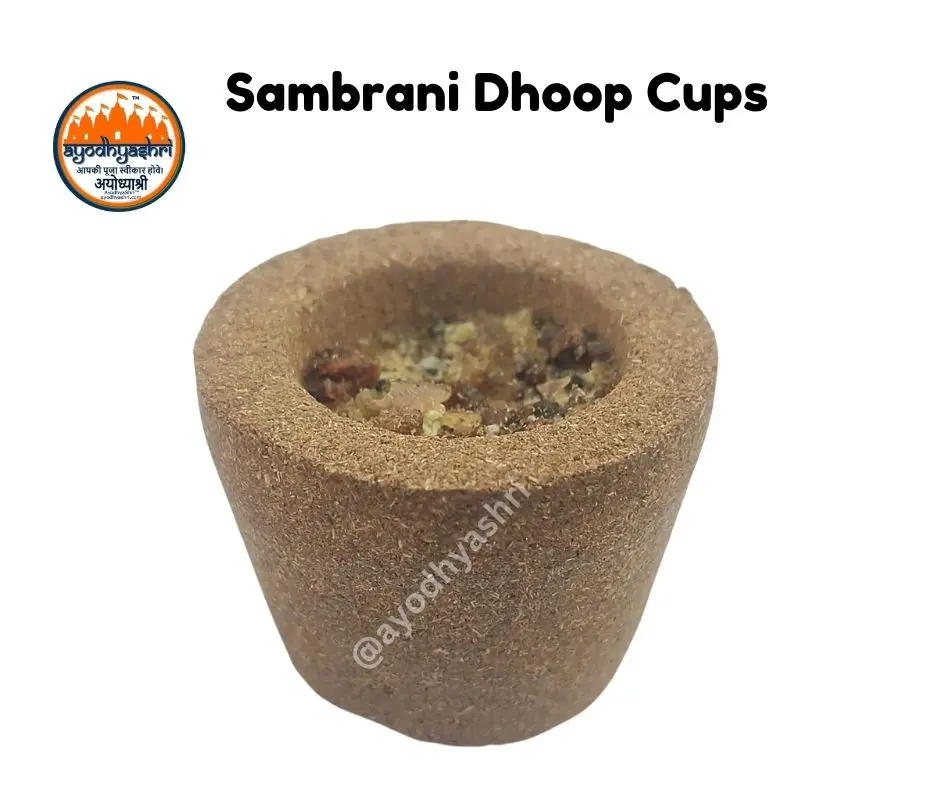
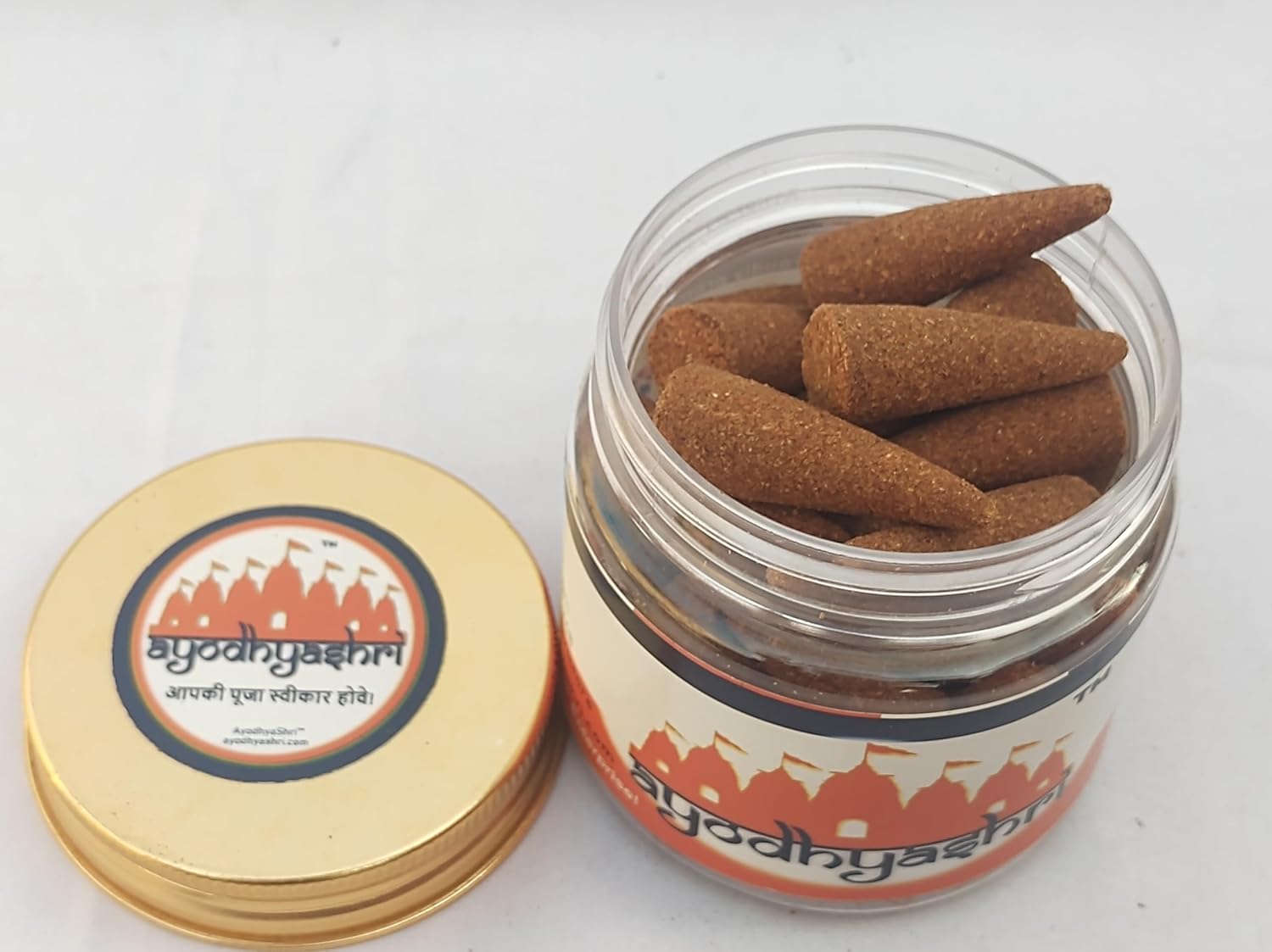
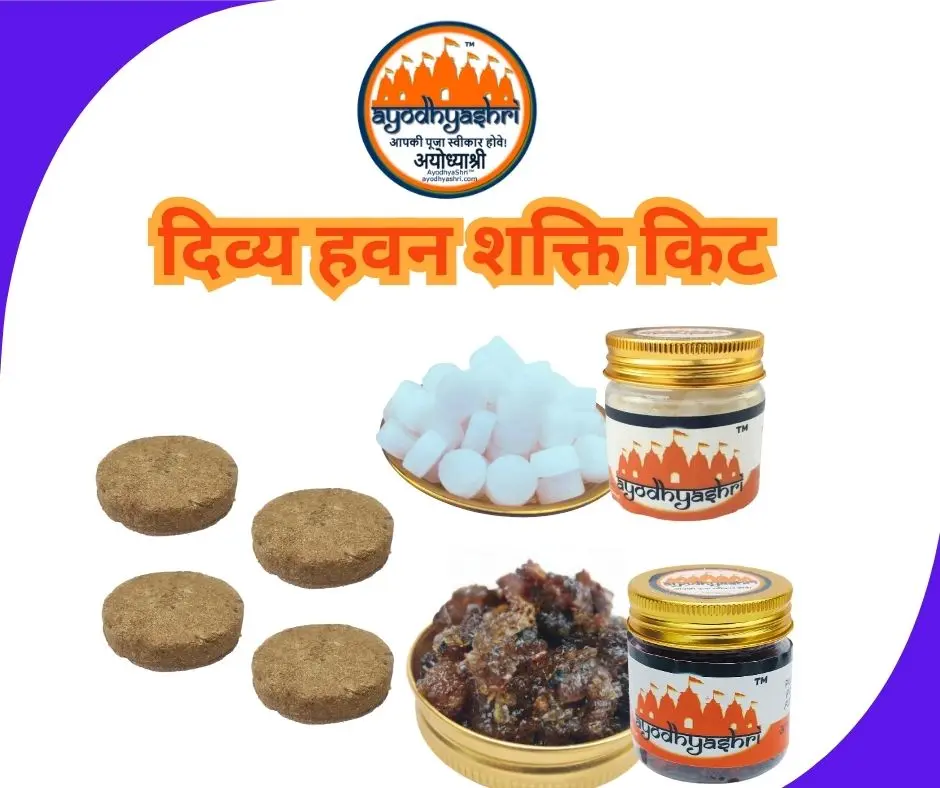
AyodhyaShri, based in Lucknow, offers a range of puja essentials for household worship. You can browse the AyodhyaShri online store for relevant items such as cotton wicks, incense, dhoop and other puja materials, subject to the current catalogue and stock.
These products may support the household’s broader worship preparations, but they do not replace the fresh fruits, traditional prasad, soop, daura or other specific offerings required for Chhath. Check the actual needs of your ritual before purchasing.
10. Which Puja Essentials Can You Arrange in Advance?
Some materials are best bought fresh, while others can be checked and arranged several days before Chhath. Keeping these categories separate helps prevent waste and reduces last-minute shopping.
Reusable materials include suitable baskets and trays, clean utensils and other household items that can be used again. Inspect them before the festival and clean them according to the requirements of your tradition.
Shelf-stable puja essentials may include cotton wicks, incense sticks and dhoop used as part of the household’s worship practice. Check the product description and make sure the materials suit your intended use.
Food ingredients for thekua and Kharna preparations can often be arranged ahead of time. Confirm the quantities with the person preparing the prasad, and store ingredients appropriately.
Fresh offerings such as bananas, coconuts, sugarcane, flowers and other fruits should be purchased with freshness and storage in mind. The timing depends on the item, the quantity required and the distance to the place of worship.
Traditional seasonal materials such as bamboo soop and daura should be sourced early enough to allow for inspection and replacement if needed. If your household requires a particular size or number, confirm that before shopping.
AyodhyaShri’s catalogue includes puja essentials such as incense sticks, hawan materials, samidha and other devotional products. These are relevant to general household worship where appropriate, but the availability of a product does not automatically make it a required Chhath offering.
Before ordering online, verify the current listing, stock status, product specifications and delivery estimate. For festival-critical materials, local purchase may be more reliable if delivery cannot be confirmed before the required date.
A well-organised list should help you buy the right items, not encourage unnecessary purchases. If you already have a suitable item at home, there is no need to replace it simply because the festival is approaching.
11. Common Chhath Puja Preparation Mistakes to Avoid
The most common difficulty is leaving too much preparation until the last day. Chhath requires coordination across several days, and the traditional offerings, food preparations and travel arrangements cannot always be completed at the same time.
Another problem is relying on a generic samagri list without checking the family’s custom. Lists published online often combine practices from different regions. This can result in unnecessary shopping or confusion about which offerings are actually required.
Buying all the fruit too early can also create avoidable waste. Some items keep well when stored appropriately, while others need more careful timing. Plan the purchase according to freshness and quantity.
Families sometimes overlook the practical side of carrying the offerings. A basket that is too small, damaged or difficult to carry can make the journey to the ghat more complicated. Inspect the soop and daura before filling them.
Transport and local arrangements deserve attention as well. Crowded ghats, temporary traffic diversions and designated access points can affect the time required to reach the offering location. Check current local instructions rather than relying entirely on last year’s arrangements.
Finally, do not confuse general puja essentials with the specific materials used for Chhath. Incense, cotton wicks and dhoop can be useful for household worship, but the festival’s traditional offerings and ritual requirements must be determined by the practice being followed.
Planning ahead, confirming the family’s list and assigning responsibilities can resolve most of these problems without making the preparations unnecessarily complicated.
12. Frequently Asked Questions About Chhath Puja Samagri
What is the complete Chhath Puja samagri list for 2026?
A practical Chhath Puja list may include a bamboo soop, daura, bananas, coconuts, sugarcane, seasonal fruits, thekua, ingredients for Kharna prasad, suitable vessels for arghya and the other offerings used by your family. Additional materials may be included according to regional custom.
The exact quantities and arrangement depend on the household’s tradition. Before shopping, ask the family members responsible for the observance to confirm which offerings are required and whether any particular regional items need to be sourced separately.
What are the dates of Chhath Puja in 2026?
Chhath Puja is observed from 13 to 16 November in 2026. Nahay Khay falls on 13 November, Lohanda and Kharna on 14 November, Sandhya Arghya on 15 November, and Usha Arghya on 16 November.
The precise sunrise and sunset timings vary by location. Families should consult a reliable local panchang for their city and follow the customary timing and sequence of their observance.
What items are traditionally placed in the Chhath Puja soop?
The contents depend on regional and family traditions, but commonly used offerings include fruits such as bananas and coconuts, along with other seasonal offerings and prasad. Some households include sugarcane and other materials according to their customary arrangement.
There is no single arrangement that applies identically to every family. Ask an experienced family member which items should be placed together, how many soops are required and whether particular offerings need to be kept separately.
What is the difference between a soop and a daura?
A soop is a traditional winnowing tray, commonly made from bamboo, that is used to arrange and present offerings. A daura is a traditional basket used to carry the offerings and other festival materials.
Both are associated with Chhath preparations, but their sizes and uses vary between households. When buying them, check the construction, cleanliness and carrying capacity, especially if the family needs to transport a substantial quantity of fruit to a ghat.
What is prepared for Kharna during Chhath Puja?
Kharna is observed on the second day of Chhath. In many households, the prasad includes rice pudding made with jaggery and roti, though the specific preparations and ingredients depend on family tradition.
The ingredients, cooking arrangements and handling of the food should follow the customary practice of the household. Families that observe particular preparation requirements should confirm them with experienced relatives before the day begins.
Can Chhath Puja be observed in Lucknow?
Yes, families in Lucknow and other cities observe Chhath according to their traditions and the facilities available locally. Some attend designated ghats or community arrangements, while others follow practices suitable to their circumstances.
If you plan to visit a local waterbody, check current instructions from the relevant authorities regarding access, traffic, safety and permitted activities. Do not assume that arrangements are identical across cities or remain unchanged from previous years.
Which Chhath Puja items can be bought online?
Some non-perishable household puja essentials, such as cotton wicks, incense sticks and dhoop, may be purchased online if they are suitable for the family’s practice. Thekua ingredients, traditional bamboo vessels and fresh offerings may be easier to source from local suppliers, depending on availability.
Always check the product specifications, stock status and delivery estimate before ordering. Online puja essentials should complement the traditional Chhath list rather than replace the specific offerings required by your household.
What should be arranged first for Chhath Puja?
Start by confirming the family’s traditional samagri list and the dates of the four-day observance. Then inspect the reusable vessels, arrange the traditional soop and daura, plan the food preparations and identify which fruits and other offerings need to be purchased fresh.
It is also helpful to confirm transport and local ghat arrangements in advance. This allows the household to focus on the observance rather than trying to find missing materials or organise travel at the last minute.
Prepare Thoughtfully for Chhath Puja with AyodhyaShri
Chhath Puja is built around devotion, discipline, traditional offerings and the collective effort of the family. The preparations may differ from one household to another, but a clear list helps everyone understand what needs to be arranged before the festival begins.
Confirm the traditional offerings with your family, purchase fresh materials at the right time and prepare the soop, daura and other vessels according to your custom. If you need general household puja essentials, you can explore the AyodhyaShri online store and review the available products.
AyodhyaShri is based in Lucknow and serves households looking for puja materials and devotional essentials. Check the current catalogue and delivery estimates before ordering, especially when preparing for a festival with fixed ritual timings.
May Chhathi Maiya and Surya Dev bless your family with happiness, strength and well-being. Wishing everyone observing Chhath Puja a peaceful and meaningful festival.





 Home
 Whishlist
 Compare
 Checkout
 Account