
No products in the cart.








Introduction: Why Eco-Friendly Puja Matters
Hindu/ Sanatana Dharma rituals are deeply rooted in nature worship from the Panch Tatva (five elements) to sacred plants like Tulsi and Bilva. Yet, over the years, many modern puja practices have unintentionally led to pollution , especially through non-biodegradable materials, chemical dyes, and plastic decorations.
Eco-friendly puja items help maintain the sanctity of rituals while reducing harm to our environment. They preserve the essence of Sanatana Dharma, which emphasizes harmony with nature.
1. What Are Eco-Friendly Puja Items?
Eco-friendly puja items are products used in Hindu rituals that are:
- Biodegradable
- Natural or Organic
- Sourced from traditional Indian practices
- Free from chemicals and synthetic fragrances
- Produced sustainably and often handmade
2. Why Switch to Eco-Friendly Pooja Samagri?
- Environmentally Conscious: Reduces pollution in rivers, air, and landfills
- Spiritually Aligned: Nature-friendly materials carry better satvik energy
- Supports Rural Economy: Most items are made by local artisans and farmers
- Avoids Harmful Chemicals: Safer for your home and family’s health
3. Commonly Used Eco-Friendly Pooja Items
Here’s a list of top eco-friendly alternatives for daily and festival use:
| Traditional Item | Eco-Friendly Alternative |
|---|---|
| Plastic or paraffin diyas | Mittika (Clay) diyas with ghee wicks |
| Chemical incense sticks | Organic dhoop and guggal |
| Synthetic kapoor | Bhimseni kapoor from desi cows |
| Decorative plastic flowers | Fresh or dried flowers |
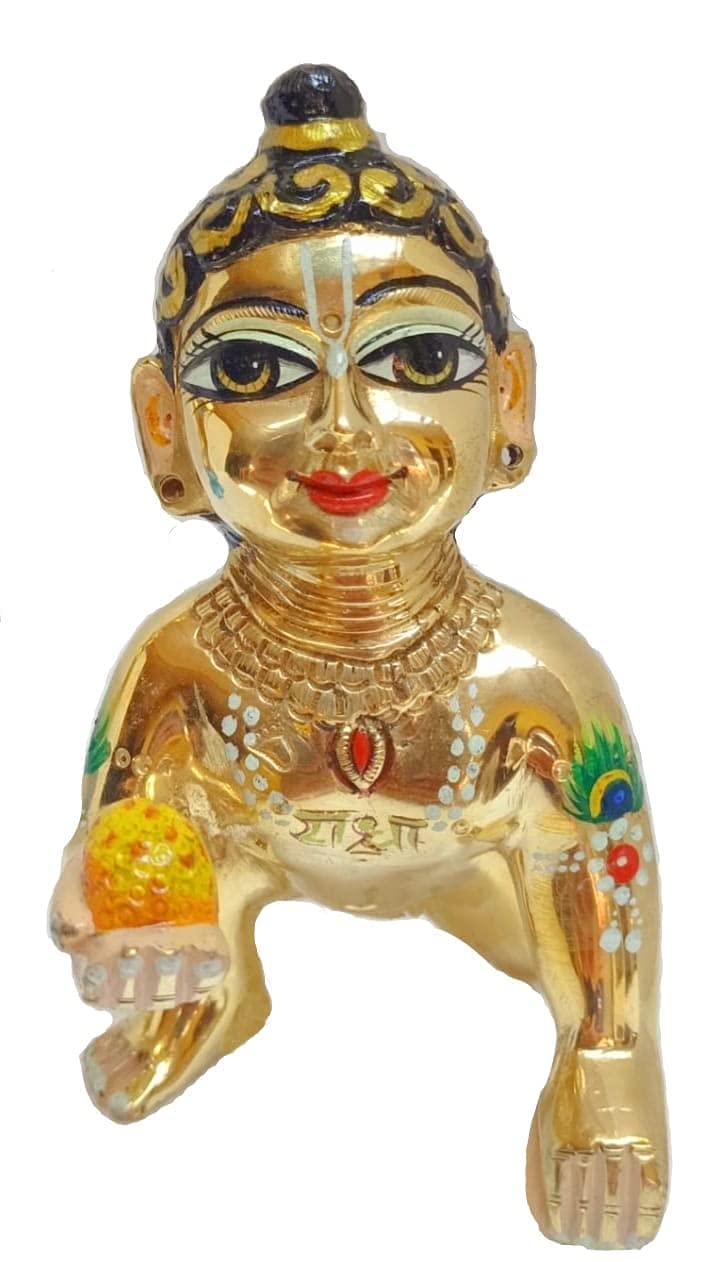
| Metal foil idols | Brass, clay or shola idols |
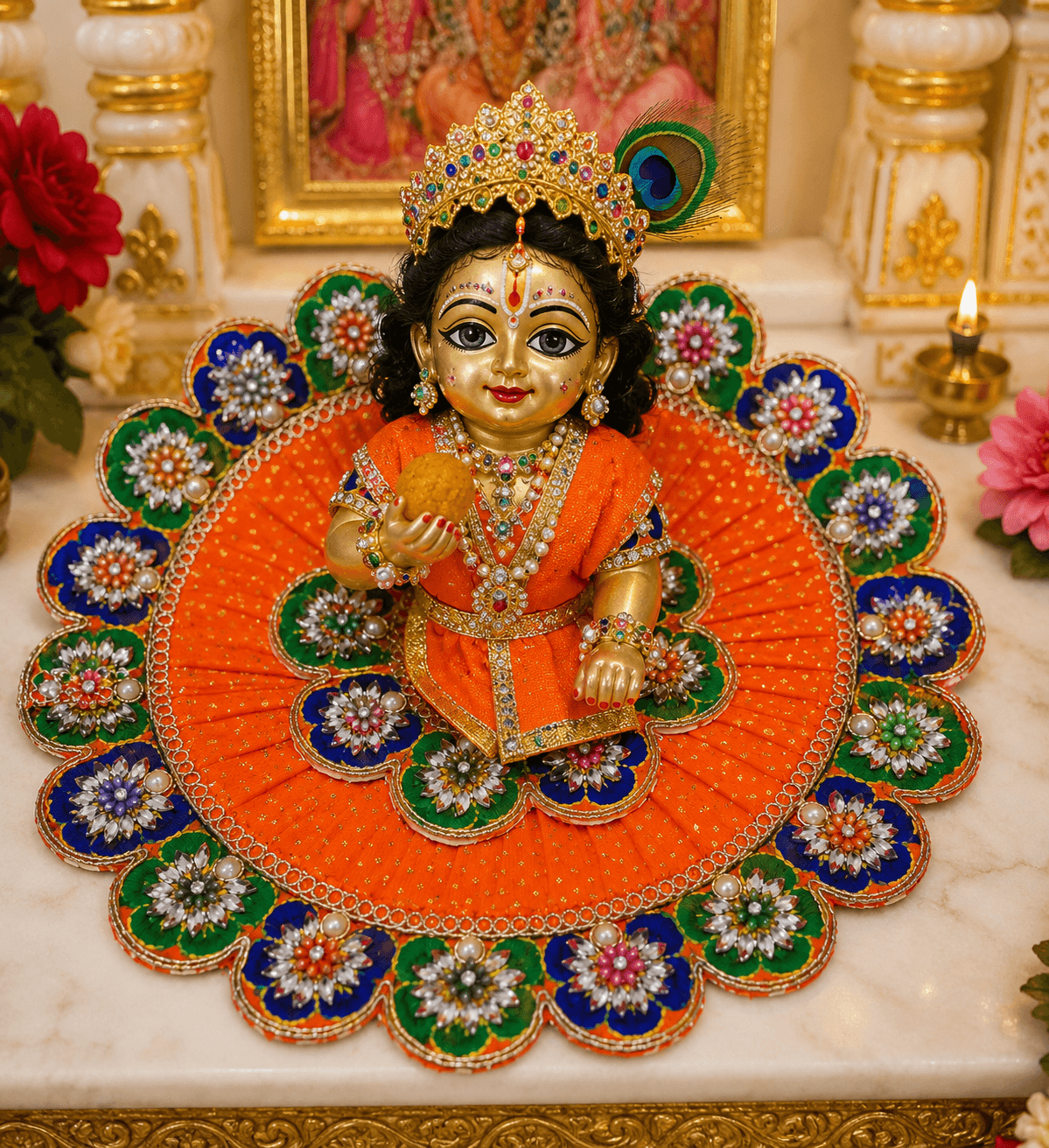
| Polyester clothes for deity | Cotton or Khadi Chunari |
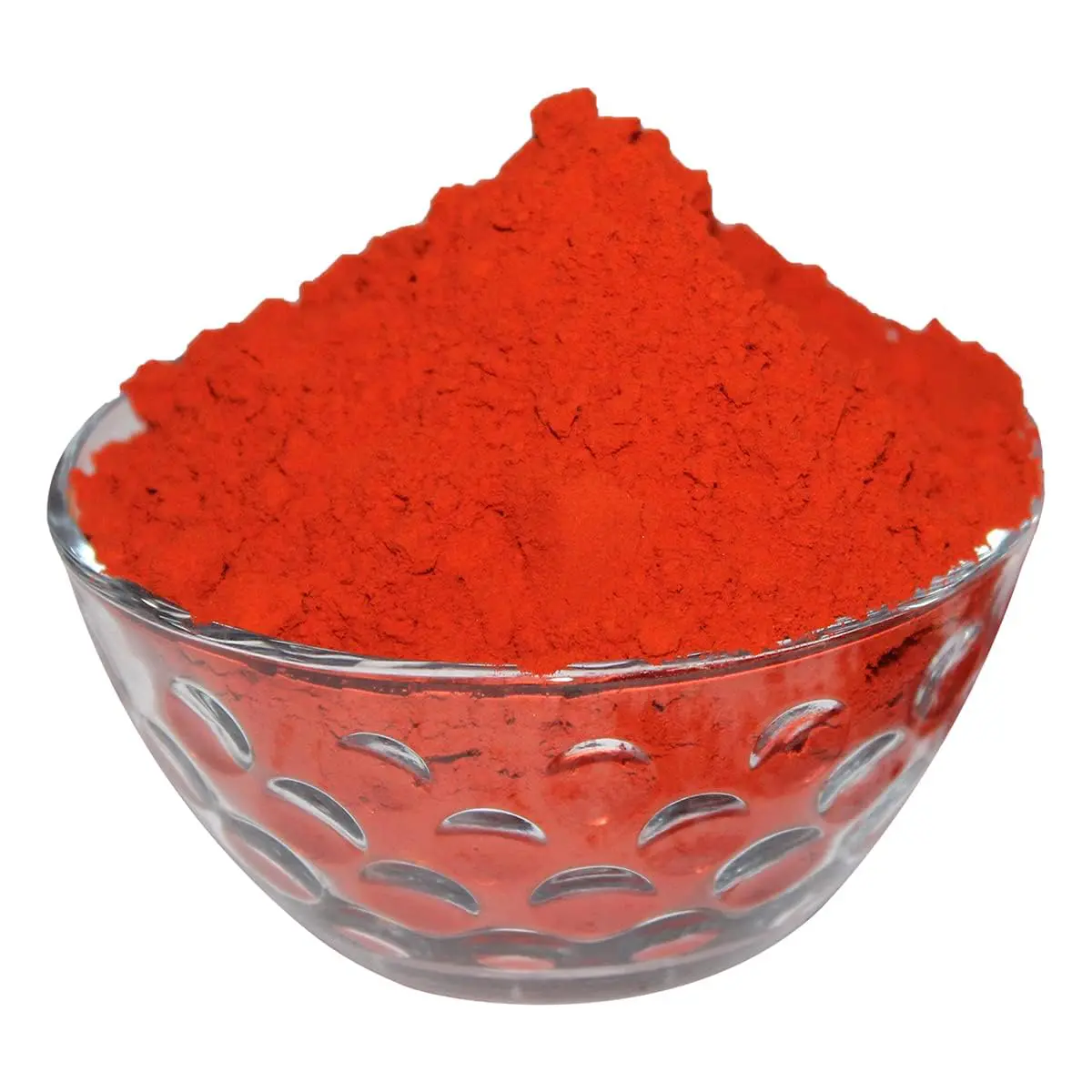
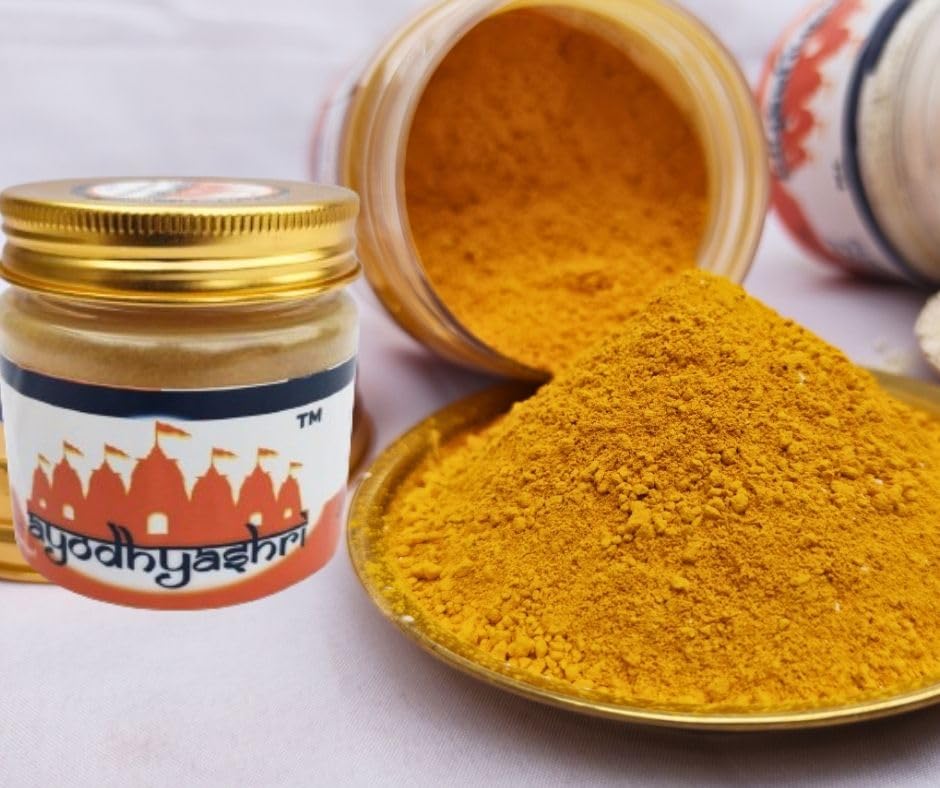
| Chemical colors for Holi | Haldi, Kumkum, Chandan powder |
4. Organic Havan Samagri: What It Should Include
Authentic organic havan samagri is prepared using Ayurvedic and Vedic herbs without any artificial fillers.
Common ingredients include:
- Cow dung cakes (from desi cows)
- Guggul
- Loban (resin)
- Sandalwood dust
- Navgrah wood
- Dry neem leaves
- Dry Tulsi
- Rose petals
- Clove, camphor, cardamom
- Aam ke lakdi (mango wood)
These ingredients create antibacterial smoke, purify air, and bring positive vibrations.
5. The Power of Cow Dung Products in Puja
The panchgavya system in Hinduism reveres the Indian desi cow and its offerings.
Top eco-friendly cow dung products:
- Cow Dung Diyas: Burn without soot, completely biodegradable
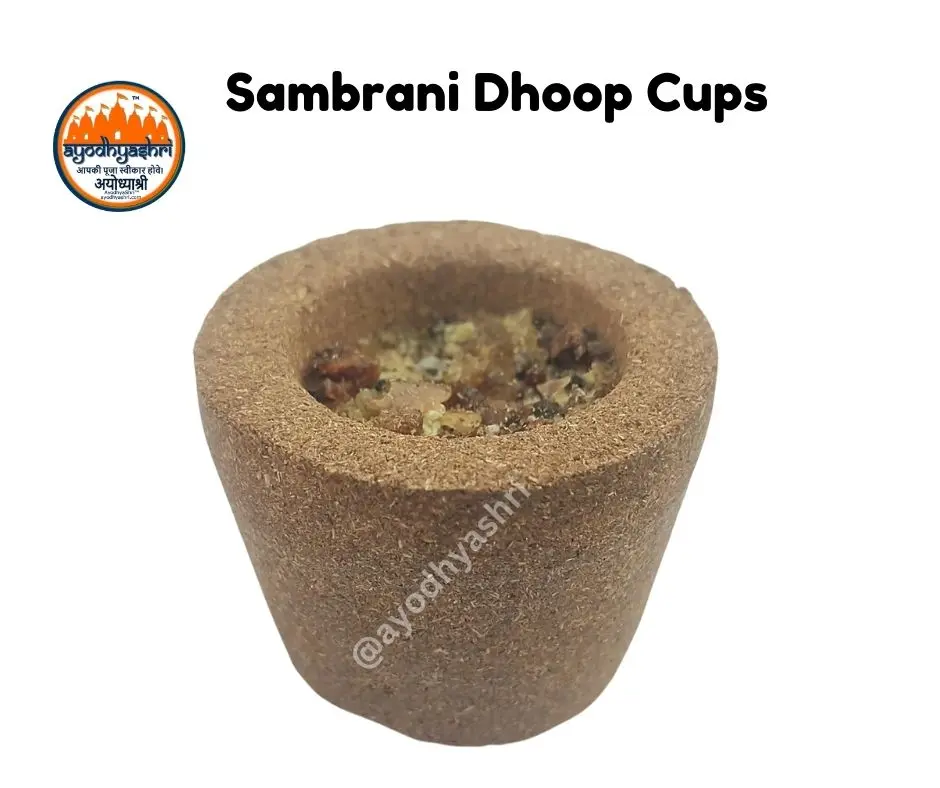
- Cow Dung Havan Cups: Easy to use, ready-to-light, slow burning
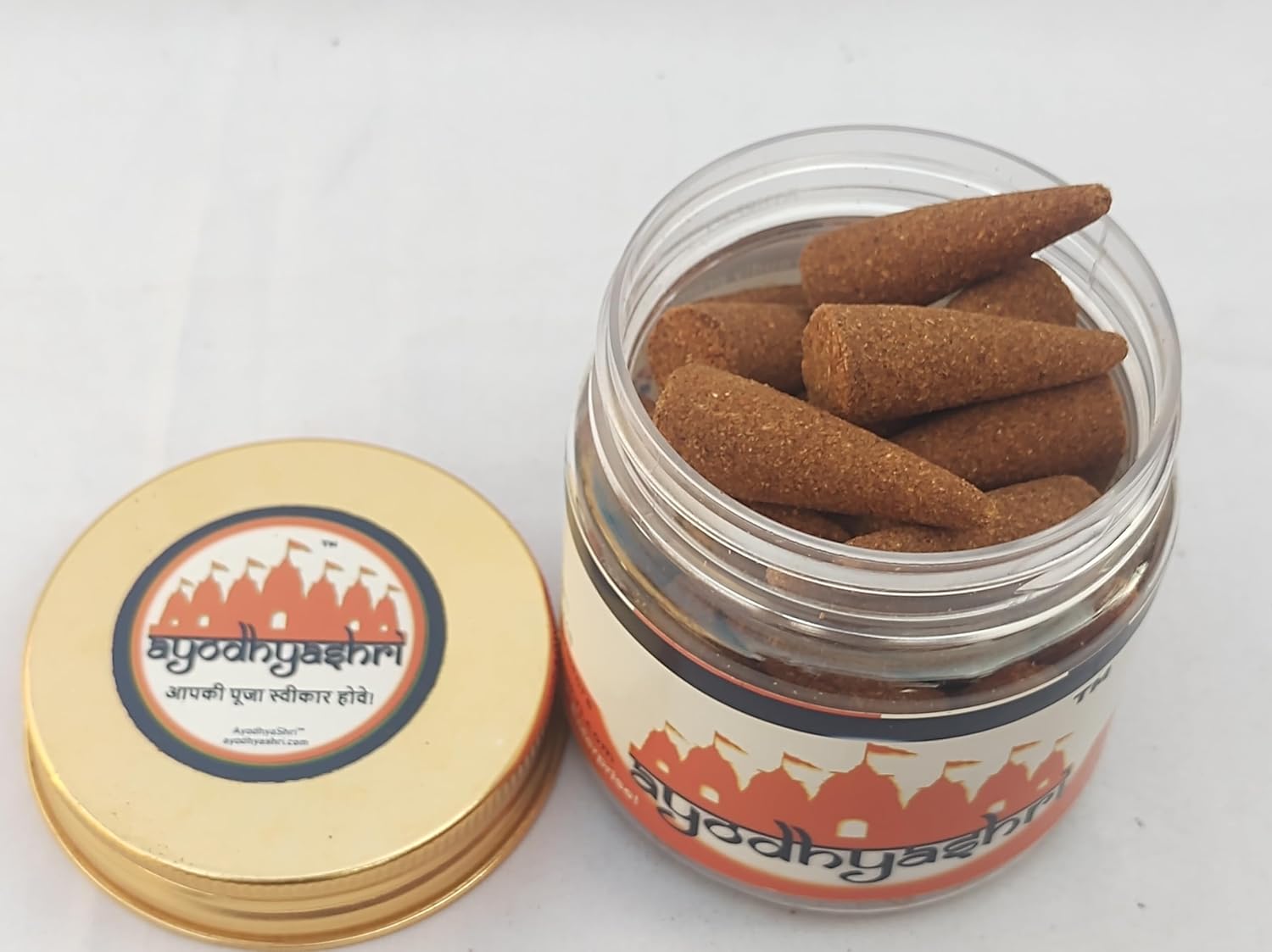
- Dhoop cones from cow dung: Pleasant aroma, mosquito repellent
These reinforce satvik energy and are highly recommended for Griha Shanti and daily rituals.
6. Eco-Friendly Diyas and Wicks
Traditional clay diyas made by potters are biodegradable and sacred.
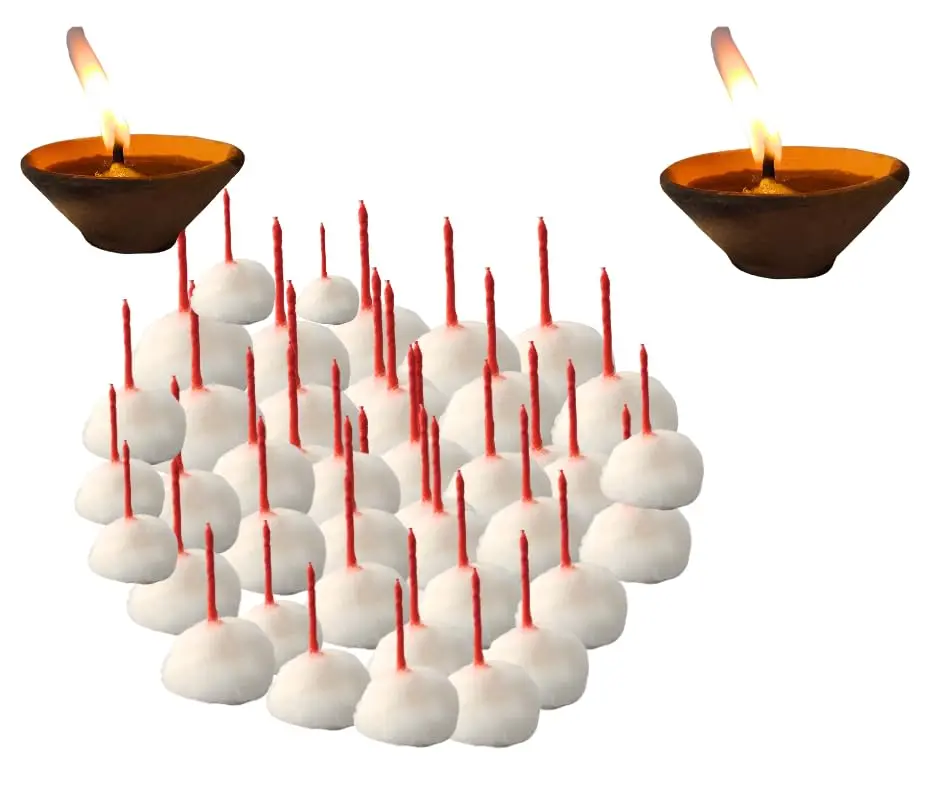
- Use cotton wicks soaked in ghee (not synthetic oils)
- Use mitti ke deepak instead of wax candles
- Reusable brass or bronze lamps are also eco-conscious
7. Sustainable Idol Options
During Ganesh Chaturthi, Navratri, or Diwali, avoid plaster of Paris (PoP) idols which pollute rivers.
Eco options include:
- Clay idols (mitti ke Ganesh, Durga)
- Shola idols (Bengal tradition)
- Brass, copper, or panchdhatu idols
These are safe for immersion and spiritually potent.
8. Zero-Waste Puja Practices
Even how we dispose of pooja items matters:
- Avoid immersing plastic or colored material into rivers
- Use separate compost bin for flower waste
- Recycle or reuse pooja thalis, kalash, lamps
- Donate excess samagri to temples or cow shelters
9. Where to Buy Eco-Friendly Puja Samagri
You can now shop from authentic online sources like:
Ayodhyashri.com – India’s trusted online store for organic, desi, and eco-friendly pooja items including:
- Bhimseni Kapoor
- Cow dung havan cups
- Herbal dhoop
- Kamalgatta mala
- Ghee wicks
- Tulsi beads
- Brass idols
- Organic agarbatti and more
10. Eco-Friendly Puja Kits (Festival Special)
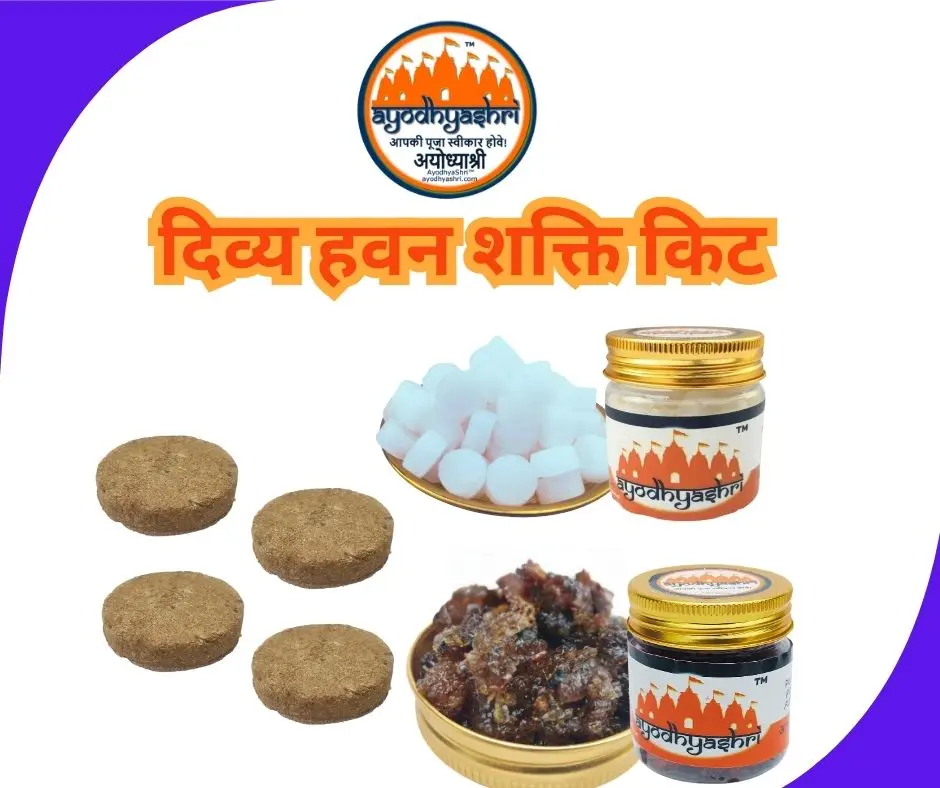
For Diwali, Navratri, Sawan Somvar, and Griha Pravesh, ready-made eco-friendly pooja kits are available. They include:
- All samagri in biodegradable packaging
- Instruction booklet
- Brass diya, mitti idol, cow dung havan cup
- Fresh, chemical-free pooja powders
Frequently Asked Questions (FAQs)
Q1: What makes a puja item eco-friendly?
A: It should be natural, biodegradable, free from plastic or chemical processing, and ideally made using sustainable practices.
Q2: Can cow dung really purify air during havan?
A: Yes. Research and Vedic texts both cite that burning desi cow dung with guggul and herbs releases antibacterial and purifying compounds.
Q3: Are Bhimseni kapoor and synthetic kapoor different?
A: Yes. Bhimseni kapoor is natural, medicinal, and eco-safe; synthetic camphor can contain harmful chemicals.
Q4: Can I compost used flowers and tulsi leaves?
A: Yes. Use a separate spiritual compost pit for all used pooja flowers and leaves.
Q5: Is it okay to reuse brass diyas or idols?
A: Absolutely. Reusing brass, copper or silver items is eco-conscious and spiritually appropriate.
Q6: Where can I get eco-friendly Diwali puja kits?
A: Visit Ayodhyashri.com for festival kits made with biodegradable and herbal samagri.
Q7: Is plastic-free packaging important for puja items?
A: Yes, especially for storing powders like kumkum, chandan — biodegradable packaging protects purity and the earth.
Q8: How do eco-friendly havan cups differ from normal dhoop?
A: They are made of dried cow dung, herbs, and guggul; no binding agents or chemicals are used.
Q9: Are eco-friendly pooja items costlier?
A: Slightly — but they’re longer lasting, spiritually potent, and support Indian artisans.
Q10: Can eco-friendly items be used in temples too?
A: Yes, many temples have already started switching to herbal dhoop and organic samagri for daily rituals.
Final Thoughts
Going eco-friendly in your pooja rituals is not just a sustainable trend — it is a spiritual responsibility. Sanatan Dharma teaches us to live in balance with nature, and every step you take in choosing organic, biodegradable items brings you closer to that principle.
Let your devotion be clean, pure, and Earth-friendly.
Visit Ayodhyashri.com today to explore premium, eco-friendly pooja items trusted by thousands of conscious devotees.
♻️ पर्यावरण-अनुकूल पूजन सामग्री: सनातन पूजा में प्रकृति की रक्षा
हिंदू धर्म में पूजा केवल देवताओं को प्रसन्न करने का कार्य नहीं है, बल्कि प्रकृति और पंचतत्वों के प्रति सम्मान का प्रतीक भी है। लेकिन आजकल प्लास्टिक, रसायनयुक्त अगरबत्ती, कृत्रिम मूर्तियाँ आदि का बढ़ता उपयोग पर्यावरण के लिए हानिकारक हो गया है। ऐसे में “Eco-Friendly” (पर्यावरण-अनुकूल) पूजन सामग्री की ओर बढ़ना अत्यंत आवश्यक है।
क्या है पर्यावरण-अनुकूल पूजन सामग्री?
- मिट्टी, गोबर, पीतल, और कपास जैसी प्राकृतिक चीज़ों से बनी सामग्री
- प्लास्टिक-मुक्त, रसायन रहित, और पुनः उपयोग योग्य
- सात्त्विक ऊर्जा से भरपूर और स्वदेशी कारीगरों द्वारा निर्मित
मुख्य विकल्पों में शामिल हैं:
- मिट्टी के दीपक व गोबर के हवन कप्स
- भीमसेनी कपूर व हर्बल धूप
- खादी/सूत की चुनरी और कपड़े
- प्राकृतिक रंग (कुमकुम, हल्दी, चंदन)
- पंचगव्य आधारित हवन सामग्री
- पुनः उपयोग योग्य पीतल की मूर्तियाँ
पूजा के बाद क्या करें?
- फूलों और जैविक सामग्री से खाद बनाएँ
- प्लास्टिक और कृत्रिम वस्तुओं से बचें
- पूजा सामग्री को मंदिर या गौशाला में दान करें
कहां से खरीदें?
👉 Ayodhyashri.com से शुद्ध, देसी और प्राकृतिक पूजा सामग्री का संग्रह प्राप्त करें।
संक्षेप में:
जब पूजा में पवित्रता चाहिए और प्रकृति को भी संरक्षित करना हो — तो पर्यावरण-अनुकूल पूजन सामग्री ही सबसे श्रेष्ठ विकल्प है।
🌿 “पर्यावरण की रक्षा भी हो और पुण्य भी मिले” — यही है सच्ची सनातन पूजा की भावना।






 Home
Home  Whishlist
  Compare
  Checkout
  Account