
No products in the cart.








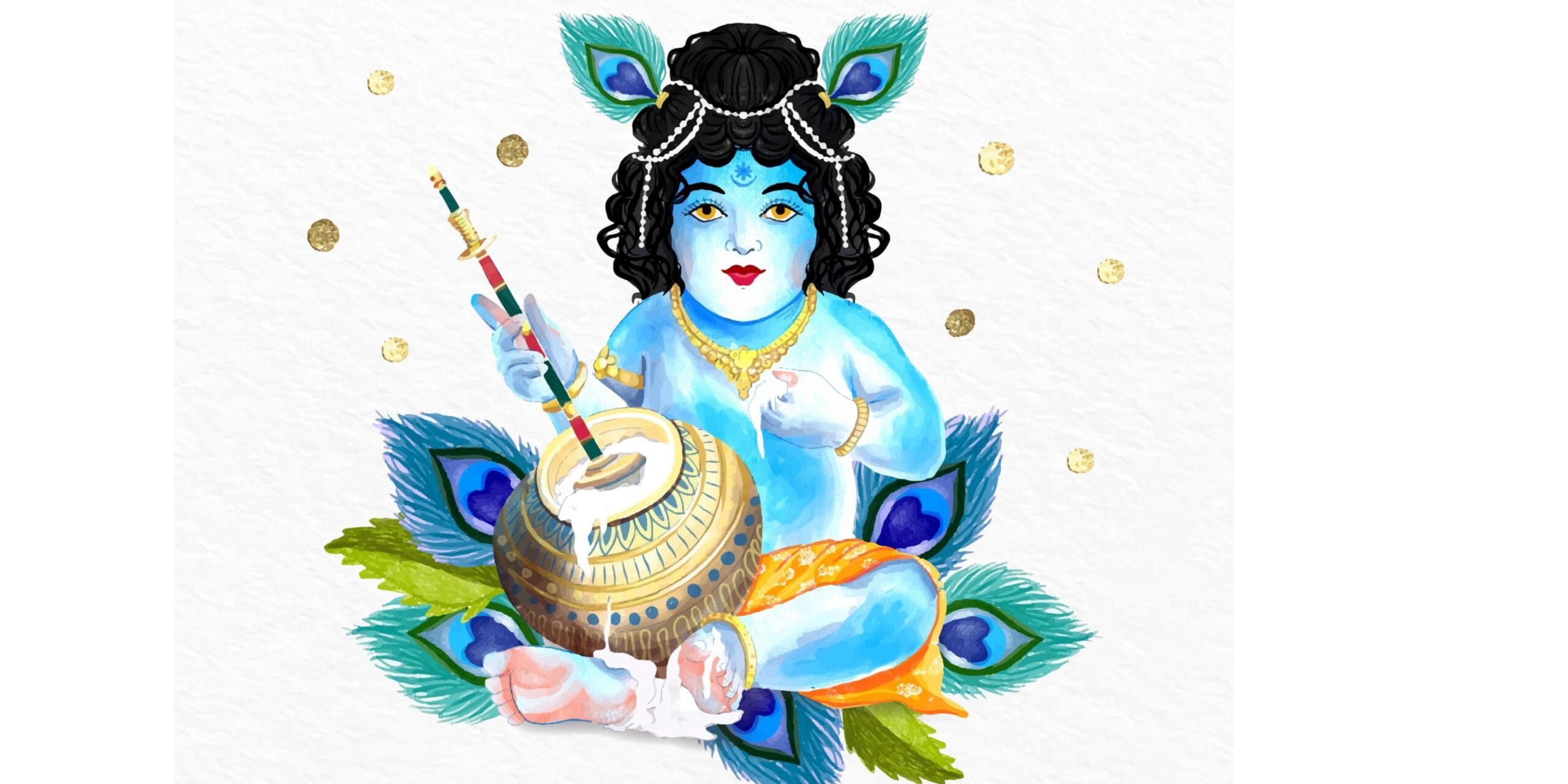
Om Namo Bhagavate Vasudevaya.
Beloved seekers of Sanatana Dharma, the sacred festival of Shri Krishna Janmashtami is once again approaching—a night sanctified by the divine descent of Lord Shri Krishna, the very embodiment of Ananda (bliss), Dharma (righteousness), and Bhakti (devotion). In the sacred calendar of 2025, this blessed event will be observed on Saturday, August 16, aligning with the Ashtami Tithi and the celestial Rohini Nakshatra, making it an exceptionally auspicious occasion to invoke the Lord’s divine presence within our homes and hearts.
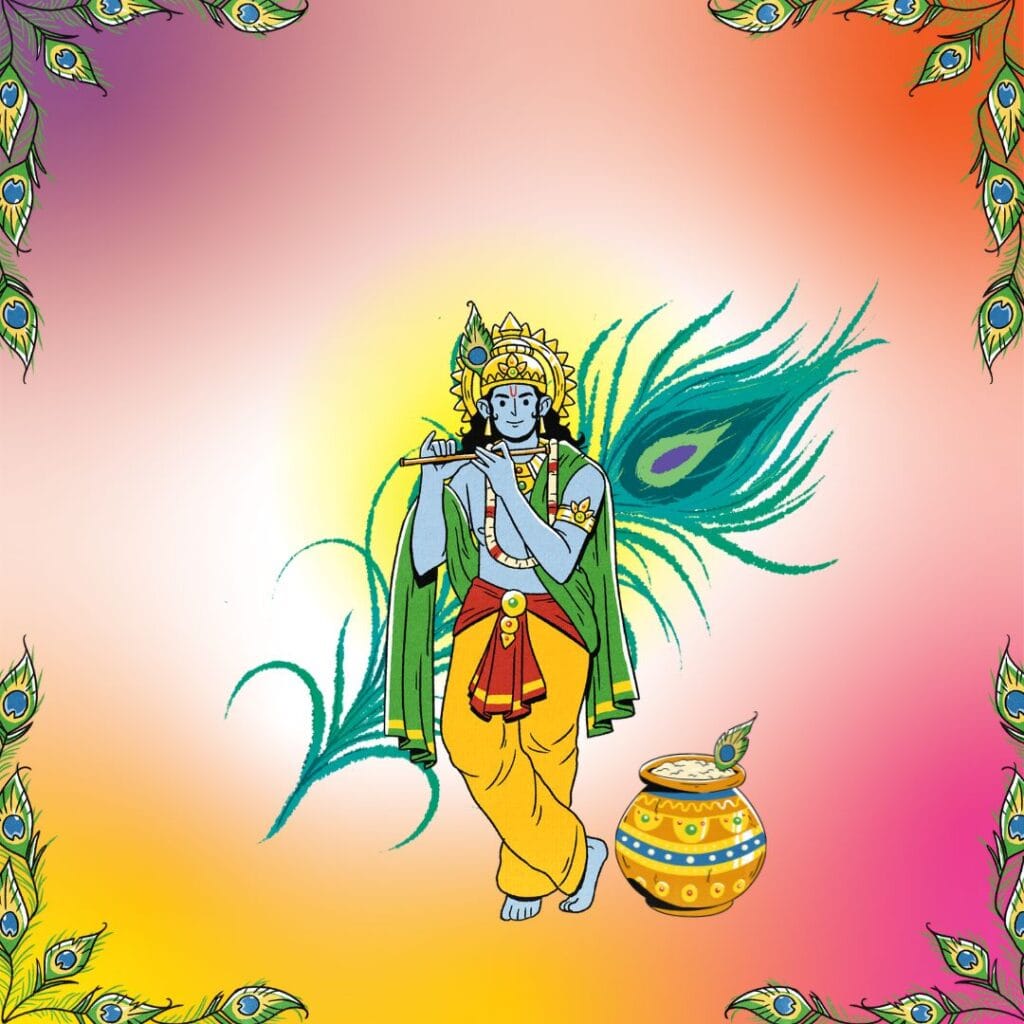
janmashtmai-2025
Auspicious Timings for Janmashtami 2025
- Ashtami Tithi Begins: August 15 at 11:49 PM
- Ashtami Tithi Ends: August 16 at 9:34 PM
- Nishita Puja Muhurat (Divine Midnight Hour): August 16 from 12:04 AM to 12:47 AM
- Rohini Nakshatra Begins: August 17 at 4:38 AM
- Rohini Nakshatra Ends: August 18 at 3:17 AM
Performing the Nishita Kaal Puja during this sacred window is profoundly meritorious, for it is during this divine hour that the Supreme Personality of Godhead manifested Himself in Mathura under Rohini Nakshatra to vanquish adharma and establish satya (truth).
Step-by-Step Janmashtami Puja Vidhi
1. Shuddhi – Purification of Body, Mind, and Space
Begin the day by rising before sunrise, taking a sacred bath, and donning clean garments—preferably in hues of yellow or white, beloved by Shri Krishna. Cleanse the home, especially the puja griha, sprinkling Gangajal in every corner to sanctify the atmosphere. Adorn the altar with fragrant flowers, earthen lamps, rangolis, and mango leaf torans. Symbols dear to the Lord—flutes, peacock feathers, and swings—may be gracefully incorporated into the decor.
2. Pratisthapana – Installing the Deity
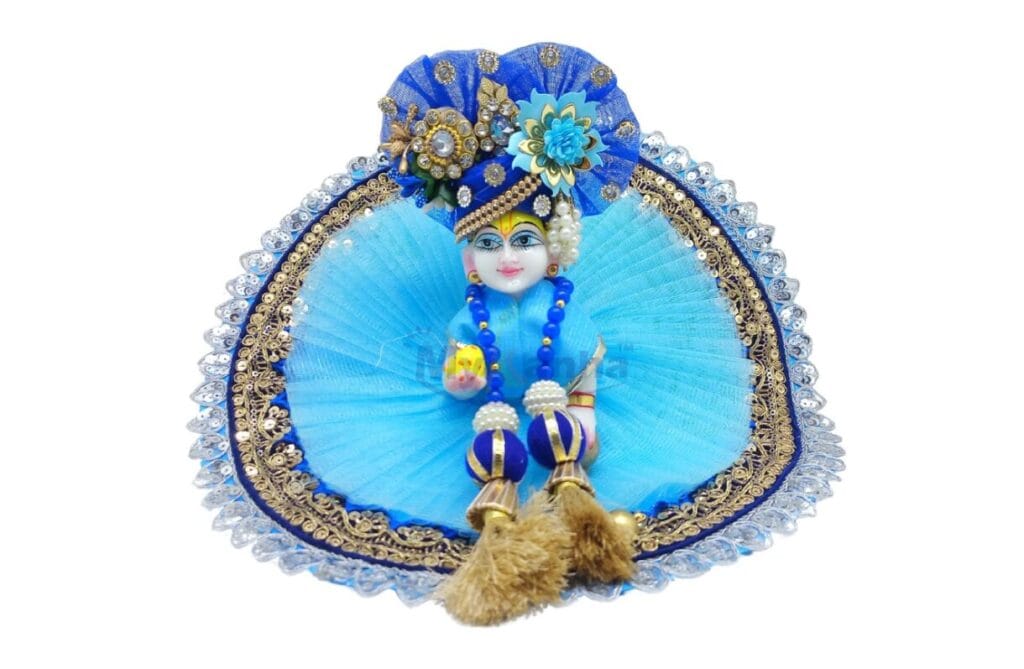
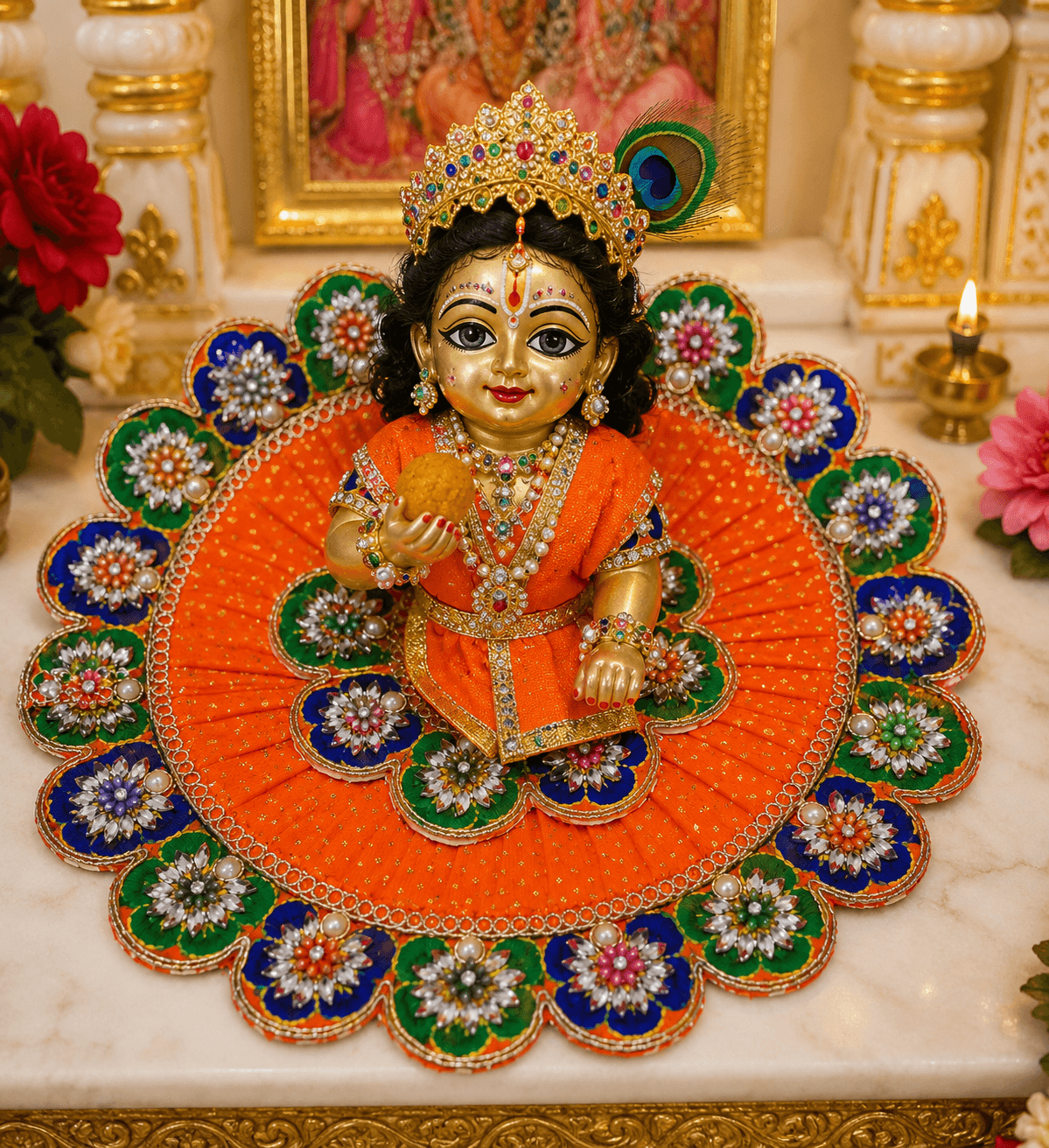
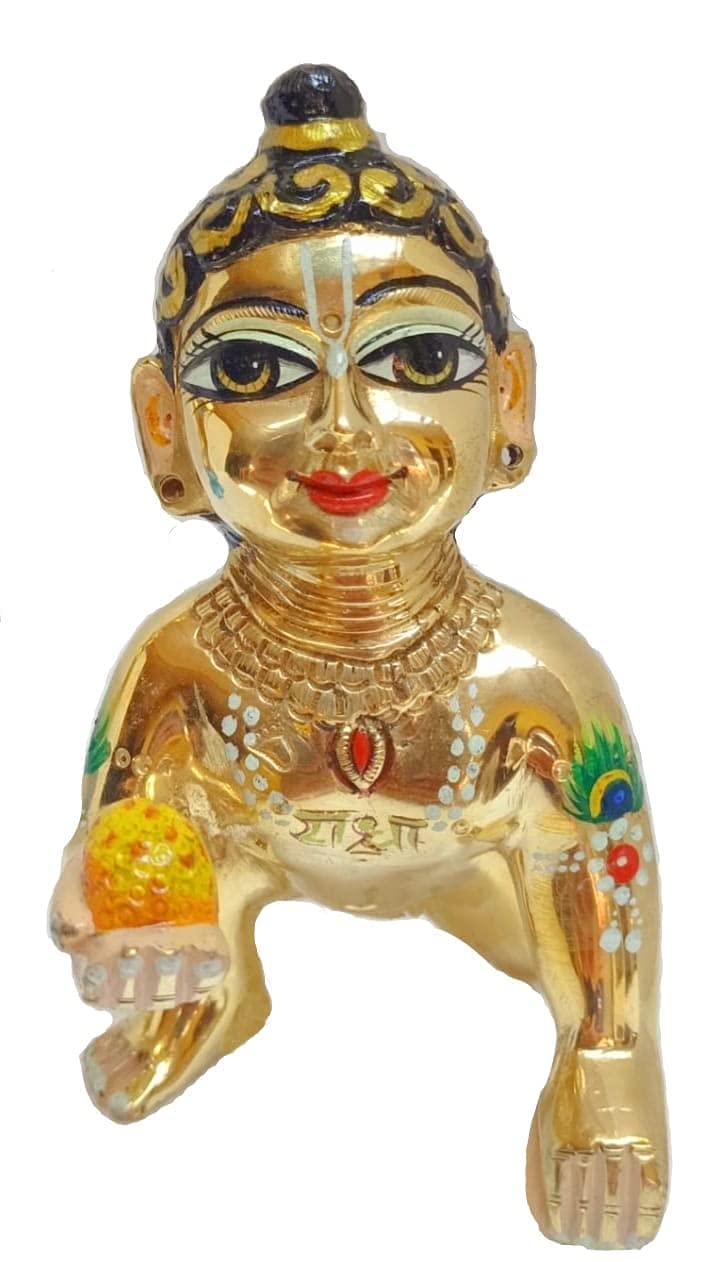
Install a divine idol or image of Bal Gopal (infant Krishna) upon a cradle (jhula) or sanctified platform (chowki). Clothe the Lord in a beautiful Laddu Gopal poshak, ideally in radiant shades of yellow, blue, or crimson, and adorn Him with sacred ornaments: mukut, bansuri, kundal, and Tulsi mala. Ensure the idol faces east or northeast, in harmony with Vaastu Shastra.
3. Abhishekam – Ritual Bathing of the Lord
Perform Abhishekam with the sanctified Panchamrit—a blend of milk, curd, honey, sugar, and ghee. While offering the bath, recite the Ashtottara Shatanamavali (108 divine names) or Krishna mantras with heartfelt devotion. Thereafter, rinse the murti with pure water, pat dry gently, and re-clothe the Lord in fresh attire before placing Him reverently back upon the swing or platform.
4. Bhog & Aarti – Offering and Invocation
With lamps lit and incense burning, begin the chanting of sacred verses such as the Krishna Chalisa, Govind Ashtak, or chapters from the Bhagavad Gita. Sing bhajans like “Achyutam Keshavam” to immerse your surroundings in divine vibration. Offer bhog prepared with love and purity:
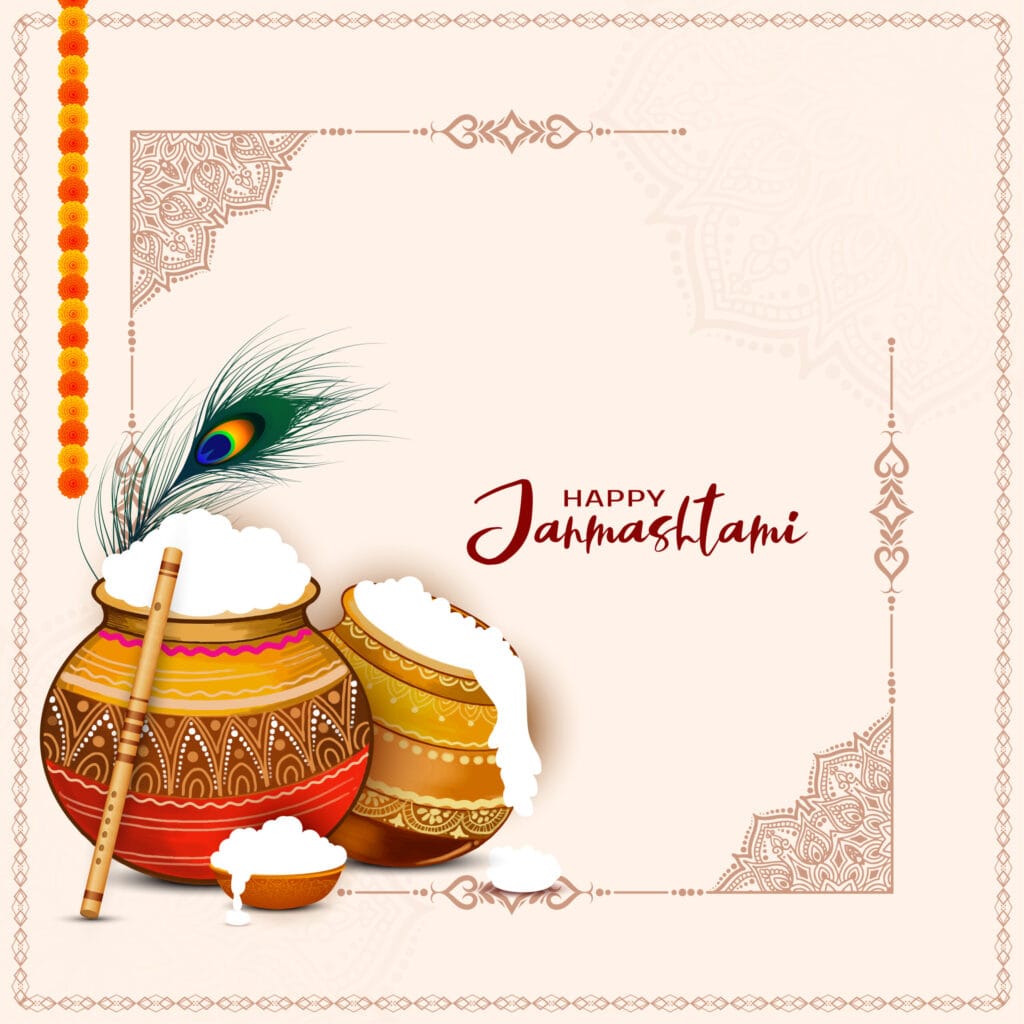
- Makhan (butter) – dearest to Gopal
- Mishri (rock sugar)
- Seasonal fruits
- Kheer or Panjiri
Present the offerings before the Lord, ring the bell, and surrender your prayers in silence and surrender.
5. Nishita Kaal – The Divine Birth Hour
As midnight arrives, so too does the divine moment of Shri Krishna’s advent. Perform the Janmotsav Aarti with reverence and joy. Chant the divine proclamation:
“Nand Ke Anand Bhayo, Jai Kanhaiya Lal Ki!”
Gently swing the cradle, welcoming the Divine Child into your home and consciousness. Some traditions observe Parana (breaking of the fast) after this midnight puja; others await sunrise.
6. Upavasa & Parana – Observing the Fast
Devotees undertake fasting in various forms:
- Nirjala – abstaining from food and water
- Phalahar – partaking only fruits and milk
- Satvik Bhojan – simple vegetarian meals post-puja
Break the fast only after completing the Nishita Puja and making the bhog offering, maintaining mental purity and heartfelt devotion throughout.
Janmashtami Across Bharata Varsha
From the banks of the Yamuna to the coasts of the south, each region venerates Krishna with unique expressions of bhakti:
- Mathura & Vrindavan: The birthplace and playground of Krishna come alive with Ras Leelas and divine processions.
- Maharashtra: The exuberant Dahi Handi celebrates Krishna’s childhood pranks with spirited vigor.
- Gujarat (Dwarka): Elaborate temple rituals and majestic décor mark the celebrations.
- Odisha & Bengal: Devotees chant the Gita and perform kirtans at Jagannath temples.
- Tamil Nadu & Karnataka: Tiny footprints drawn from the threshold to the altar invite the Lord into the home.
Each region reflects the infinite ways in which the Lord plays within the hearts of His devotees.
Spiritual Essence of Janmashtami
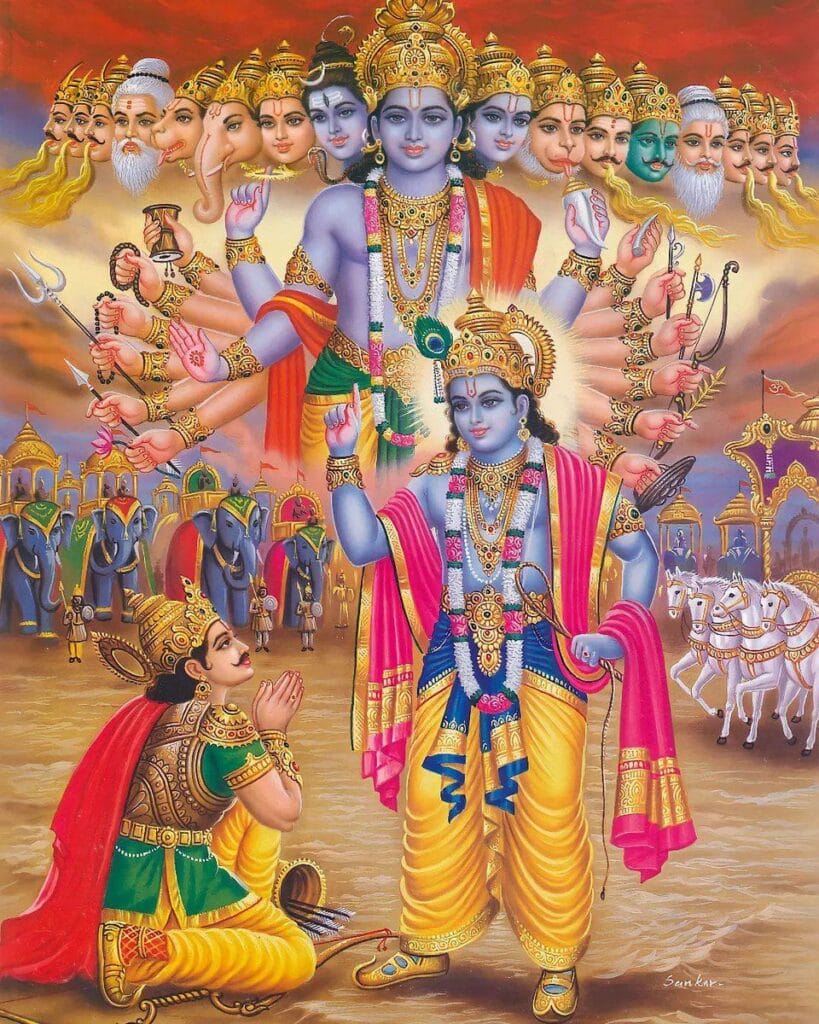
Let us remember: Janmashtami is not merely a ritual—it is an awakening. It is the soul’s remembrance that whenever darkness envelopes dharma, the Lord incarnates to uplift righteousness. Fasting, prayer, and mantra are not duties but offerings of the soul, invoking:
- Shanti (inner peace)
- Punya (cleansing of karma)
- Raksha (divine protection)
- Kripa (grace in life’s endeavors)
Thus, this sacred night becomes a bridge between the jivatma (individual soul) and the Paramatma (Supreme Soul).
As you select the attire for your Laddu Gopal, arrange your puja samagri, and beautify your dwelling with sacred symbols, let your every act become an expression of prem bhakti—divine love. May this Gokulashtami usher light, devotion, and divine presence into your life.
Let your heart become Vrindavan, and your home the cradle of Bhagavan Krishna.
Hari Om Tat Sat.






 Home
Home  Whishlist
  Compare
  Checkout
  Account