
No products in the cart.








Pooja Kits – AyodhyaShri
For generations, preparing for a pooja or hawan was a rite of passage in itself. It involved a frantic morning at the local market, deciphering handwritten lists from elders, and the constant underlying fear of forgetting that one essential ingredient be it the Bhimseni Kapoor or the specific Samidha (sacred wood).
Fast forward to 2026. In the bustling apartments of Bengaluru, the suburban homes of New Jersey, and the high-rises of London, the rhythm of ritual is changing. Ready-to-use Pooja Kits are no longer just a “convenience product” they have become a support system for a generation that values devotion over distraction.
The 2026 Shift: Why Our Rituals are Evolving
The modern Indian household looks very different today than it did thirty years ago. Several lifestyle shifts have made traditional preparation a challenge:
- The Nuclear Family Reality: Without the immediate guidance of elders, many young couples feel a “knowledge gap” when performing complex rituals like Rudrabhishek or Satyanarayana Pooja.
- The Time-Poverty Trap: In dual-income households, the two hours spent sourcing individual items from five different shops is time taken away from the prayer itself.
- Global Migration: For the diaspora, finding authentic Ganga Jal or cow-dung-based upla (uplas) in a foreign city is often impossible.
In this context, a curated kit isn’t “shortcuts to faith” it is the bridge to participation.
More Than a Box: What’s Inside a Responsible Pooja Kit?
A well-designed kit, like those enabled by the AyodhyaShri™ platform, serves as a silent Panditji in your home. It provides three core pillars:
1. Absolute Certainty
How many times have you wondered, “Is this the right wood for a Hawan?” or “Is this ghee pure enough for the Akhand Jyot?” A standardized kit eliminates “Ritual Anxiety” by ensuring every item is present, labeled, and traditionally accurate.
2. Scientific Purity
At AyodhyaShri™, we believe tradition and science should walk hand-in-hand. Modern kits are now evolving to include:
- Lab-tested ingredients: Ensuring your incense is free from harmful chemical residues.
- Digital Traceability: QR codes that show the origin of the ghee or the herbs used in the Hawan Samagri.
- Sustainable Sourcing: Items sourced directly from gaushalas and rural artisans, ensuring your prayer also supports a rural livelihood.
3. Education & Empowerment
Kits are becoming educational tools. By including a simple SOP (Standard Operating Procedure) or a Vidhi (procedure) guide, they empower the younger generation to perform rituals independently and with confidence.
People Also Ask (PAA): Common Questions About Ritual Prep
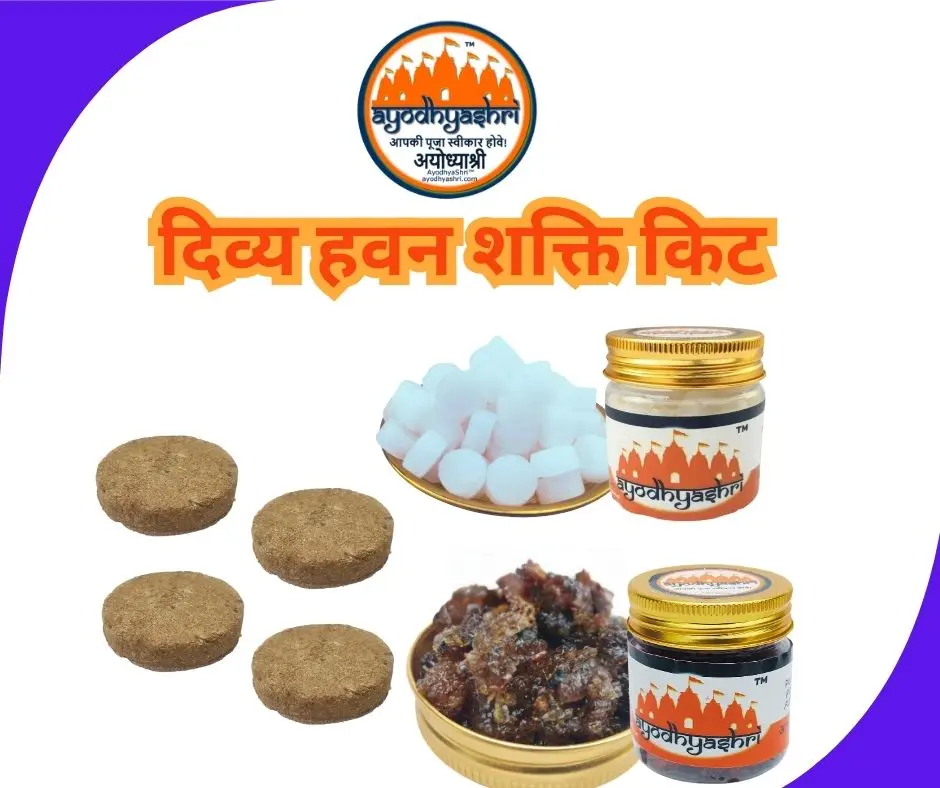
Q: What are the essential items for a basic Hawan at home? A: A complete Hawan items list typically includes Hawan Kund, Mango wood (Samidha), pure Cow Ghee, Hawan Samagri (a blend of herbs like Guggul and Jatamansi), Camphor, and sacred grains like Barley and Black Sesame. Ready-to-use kits pre-measure these for you.
Q: Are pre-packed pooja kits “authentic” enough for traditional rituals? A: Yes, provided they are curated with cultural sensitivity. Authenticity depends on the source and purity of the ingredients, not whether they were bought individually or as a kit.
Q: Why is there a shift toward online pooja kits? A: Online platforms allow for standardization. You can read reviews, verify the brand’s quality certifications (like AyodhyaShri’s science-linked validation), and ensure delivery even during peak festival seasons like Maha Shivratri or Diwali.
The “Waste-to-Wealth” Connection: The AyodhyaShri™ Difference
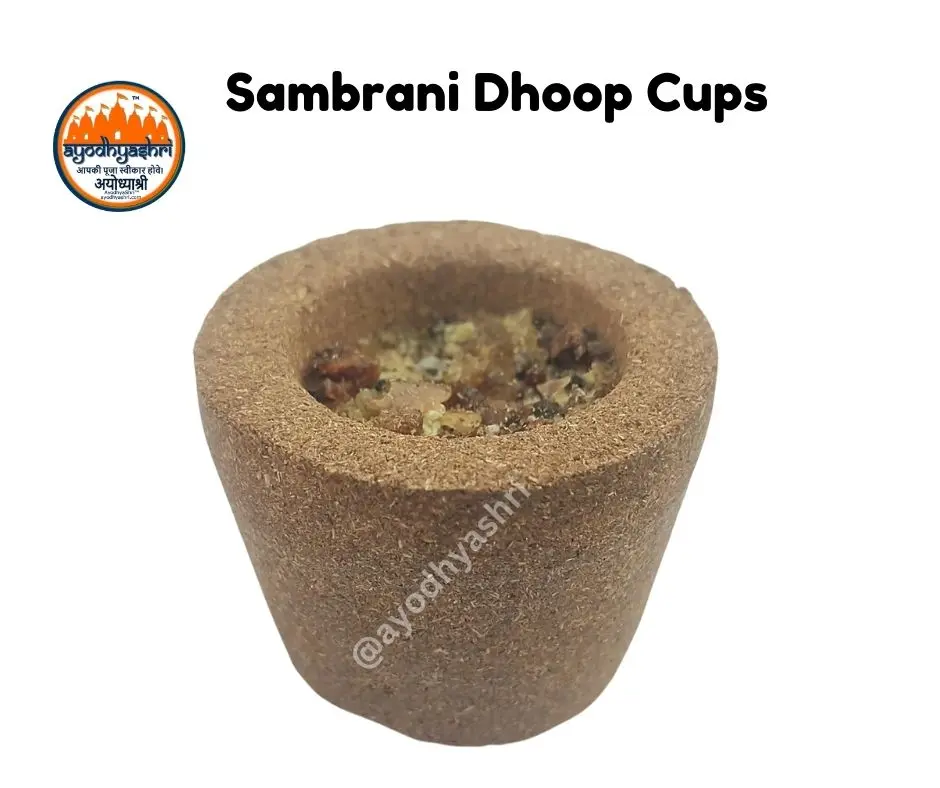
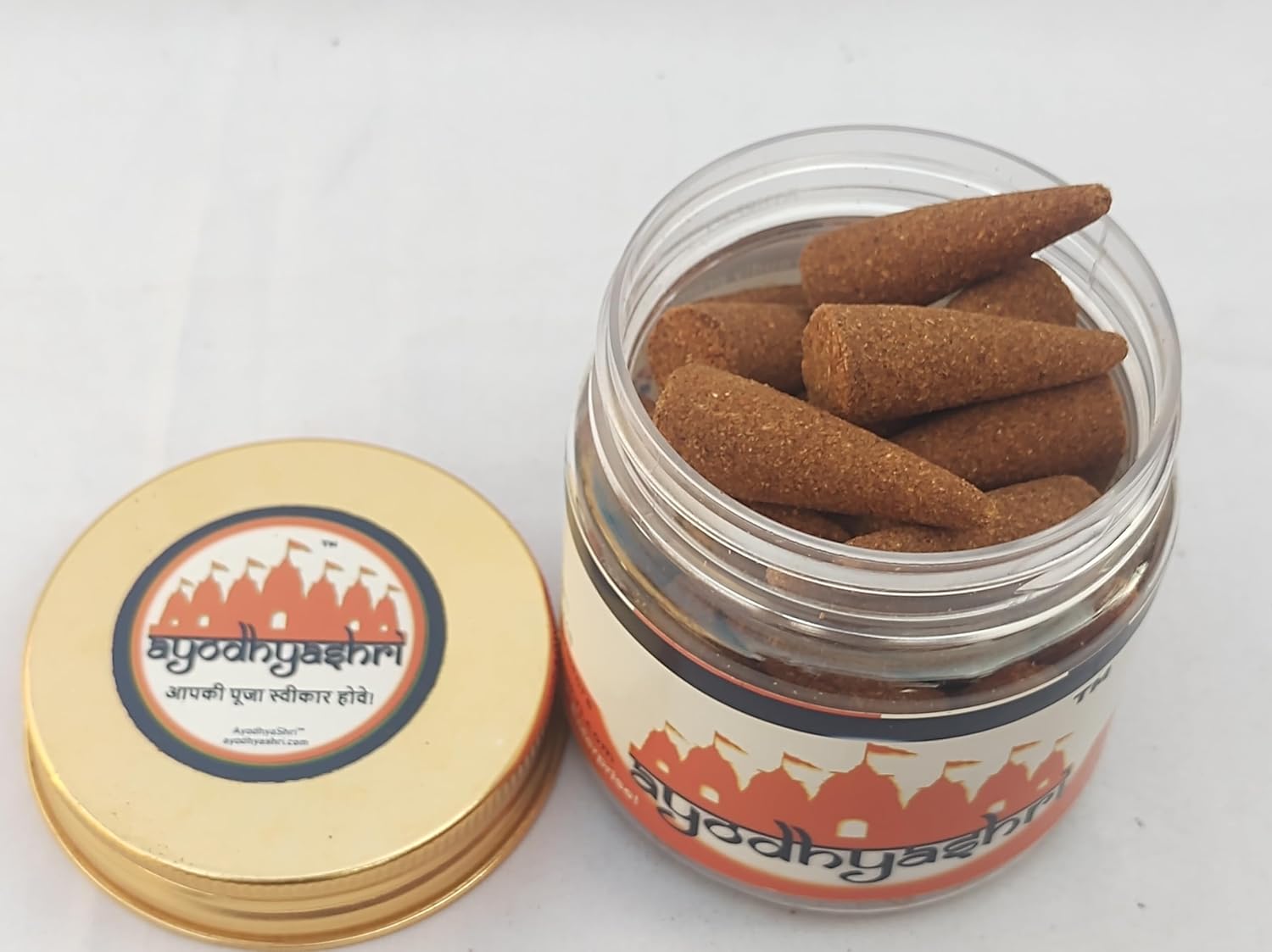
What sets an AyodhyaShri™-enabled kit apart from mass-market alternatives? It’s our commitment to the rural value chain. Every time you open a kit containing cow-dung-based dhoop or panchgavya items, you are participating in a waste-to-wealth conversion. We empower gaushalas and farmers to produce these items to a “Gold Standard,” ensuring that your ritual isn’t just spiritually fulfilling, but socially responsible.
Looking Ahead: The Future of Devotion
As we look toward the future of Indian spiritual life, the “Pooja Kit” will continue to evolve. We expect to see more regional customization (e.g., specific kits for Pongal or Chhath Puja) and eco-conscious packaging that respects the environment as much as the deity.
The Bottom Line: When the preparation becomes simpler, the devotion becomes deeper. By removing the logistical hurdles of ritual, ready-to-use kits allow us to focus on what truly matters: the connection with the Divine.






 Home
Home  Whishlist
  Compare
  Checkout
  Account