
No products in the cart.









How To Do Janmashtami Fast Properly In 2026: Simple Rules, Foods & Common Mistakes
Why Devotees Keep Janmashtami Fast
Janmashtami fast is one of the most sacred fasts observed by devotees of Lord Krishna.
People observe this vrat with devotion to seek spiritual peace, blessings, inner discipline, and closeness to Krishna.
For many families, fasting is not only a religious tradition but also an emotional expression of love and devotion toward Kanha.
Some devotees keep a complete fast until midnight, while others follow fruit-based fasting depending on health, age, and family customs.
The intention behind the fast matters more than strictness.
Types Of Janmashtami Fast Followed In India
Different devotees follow different fasting traditions.
Nirjala Fast
Some devotees avoid both food and water until midnight.
This is considered a very strict vrat and is usually observed by experienced devotees.
Phalahar Fast
Many people consume:
• fruits • milk • makhana • dry fruits • vrat snacks • coconut water
This is the most commonly followed Janmashtami fasting method.
One-Time Meal Fast
Some families eat a single vrat-friendly meal during the day and continue prayers until midnight.
The fast should always be observed according to one’s health and capability.
What Foods Are Allowed During Janmashtami Fast?
Most devotees avoid regular grains and onion-garlic foods during Janmashtami vrat.
Commonly consumed vrat foods include:
• sabudana khichdi • makhana kheer • fruits • milk • curd • vrat chips • peanuts • singhara atta dishes • rajgira items • coconut water • dry fruits
Sattvic food is preferred because it is believed to keep the mind calm and spiritually focused.
Foods Usually Avoided During Janmashtami Vrat
Devotees generally avoid:
• wheat • rice • regular salt • non-vegetarian food • alcohol • processed junk food • onion and garlic
Many devotees also avoid anger, arguments, and negative speech during the vrat.
When Does The Janmashtami Fast End?
The fast is usually broken after the midnight birth celebration of Lord Krishna.
After:
• Krishna aarti • bhog offering • Panchamrit ritual • mantra chanting
…devotees consume prasad and vrat food.
Some devotees continue fasting until the next morning depending on tradition.
Common Mistakes People Make During Janmashtami Fast
Many people unknowingly focus only on food restrictions and forget the spiritual side of fasting.
Common mistakes include:
• overeating vrat snacks • spending the day on social media instead of prayer • becoming irritated or angry • skipping puja completely • eating unhealthy packaged vrat foods excessively
The real purpose of fasting is devotion, self-control, positivity, and spiritual connection.
Important Puja Items For Janmashtami Vrat
Devotees usually prepare:
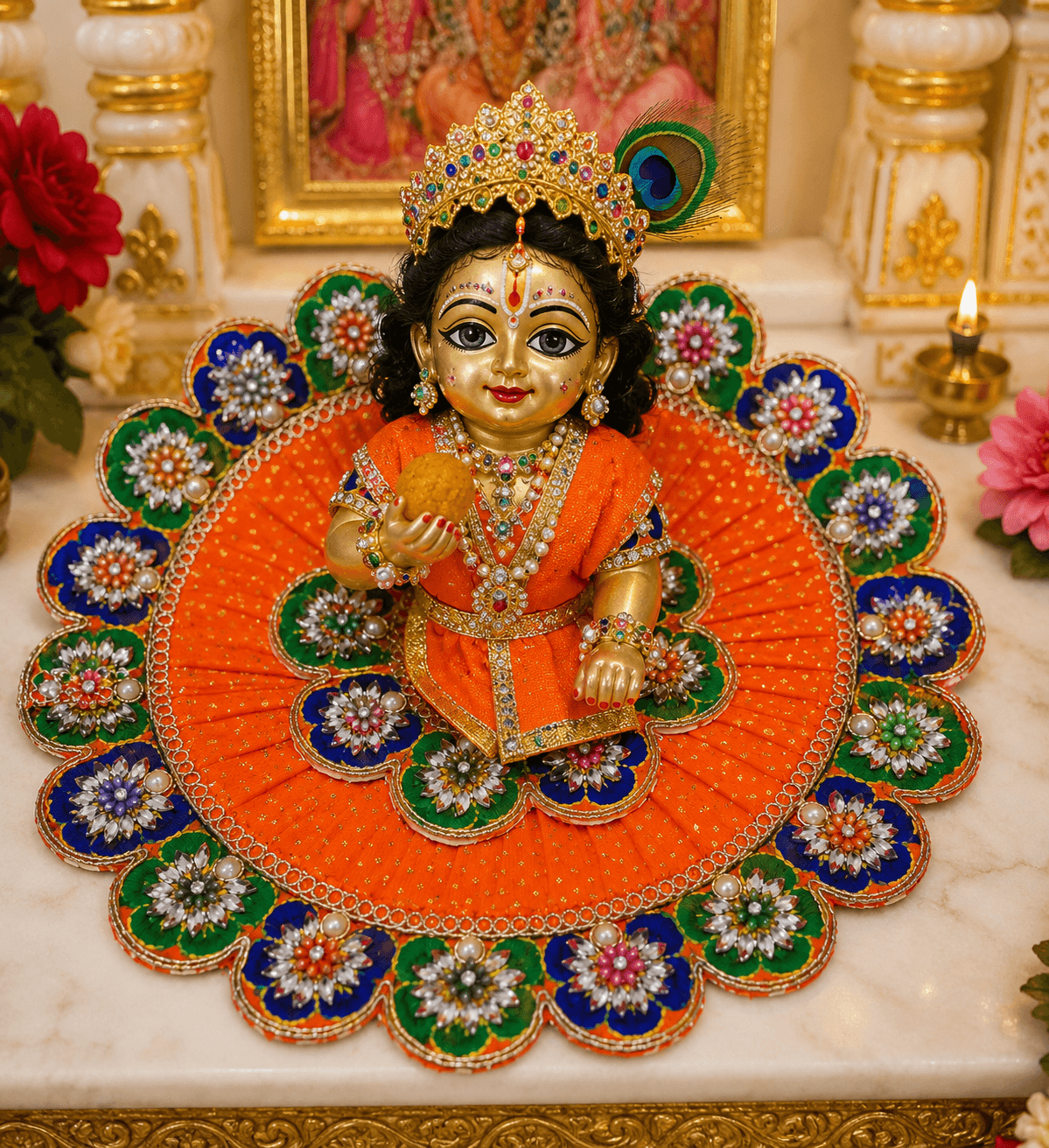
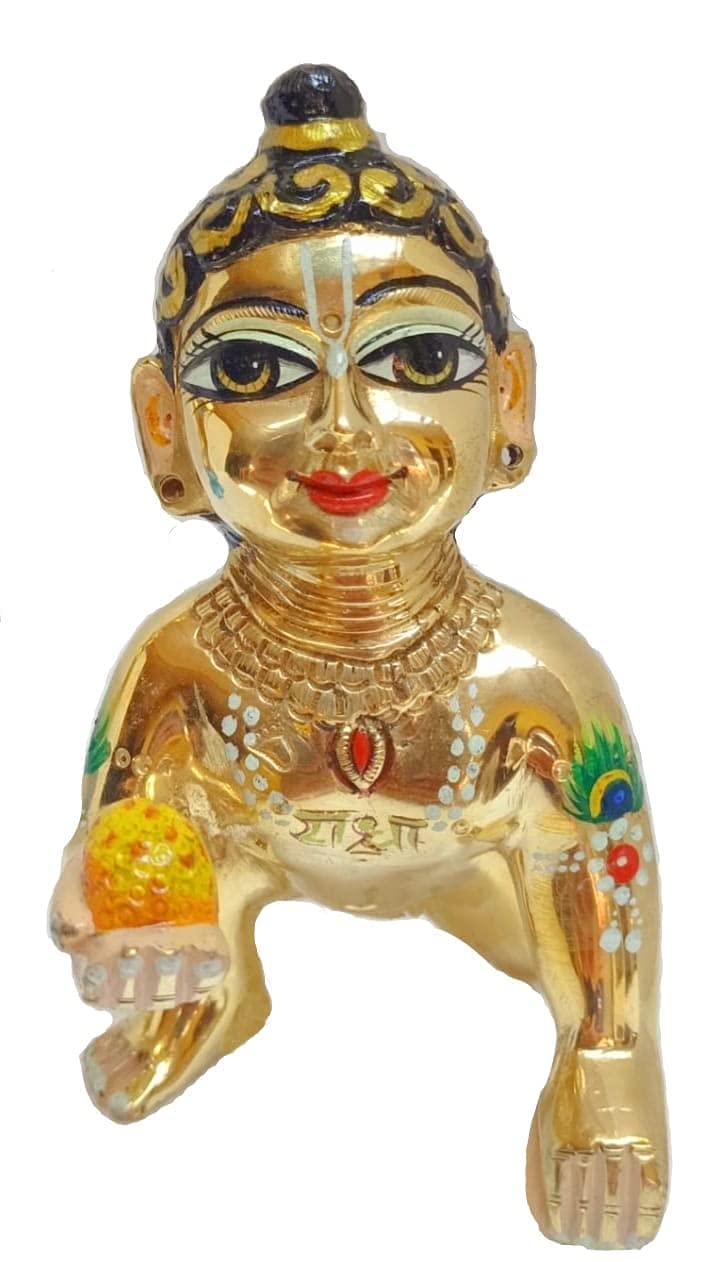
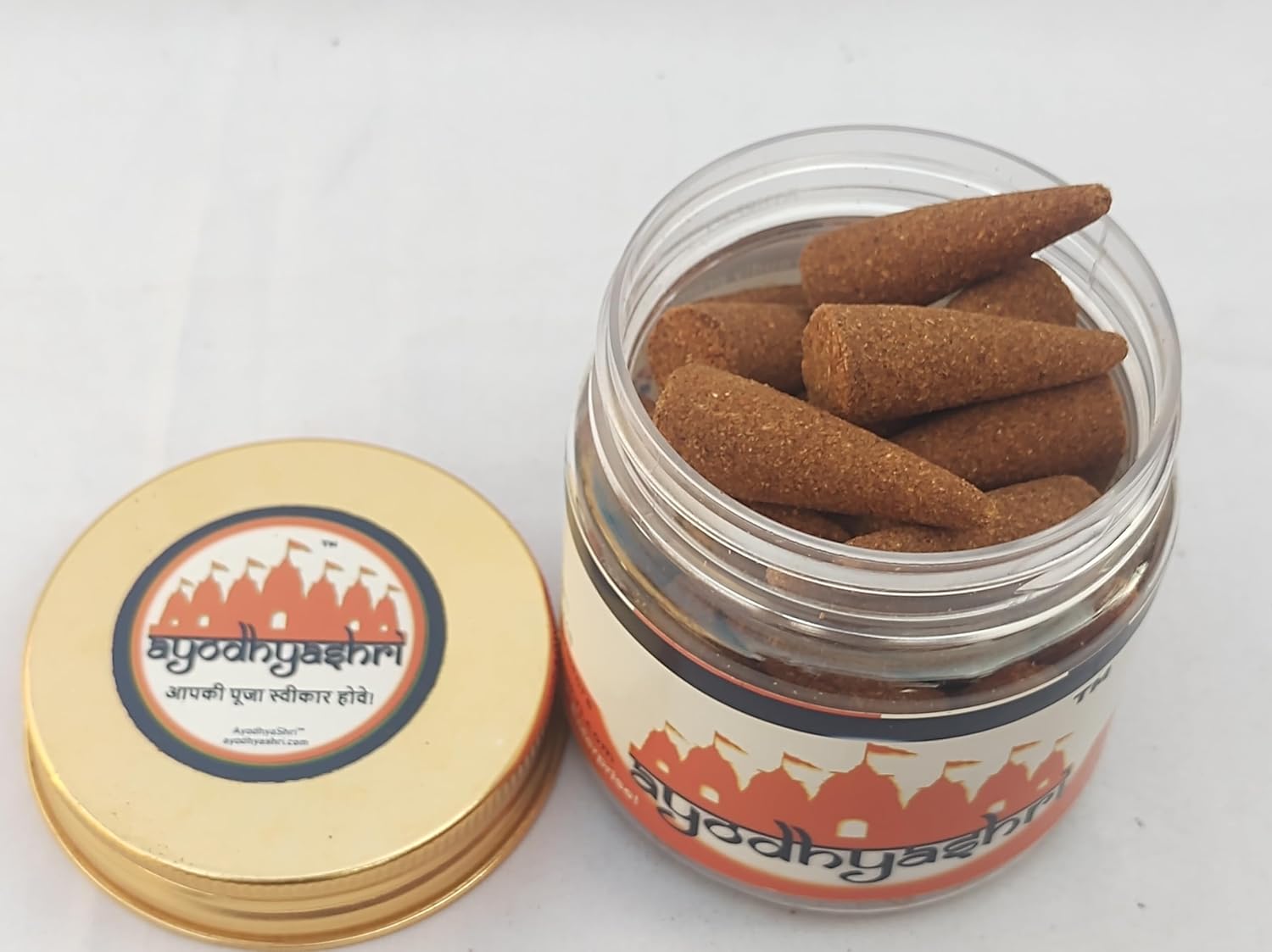
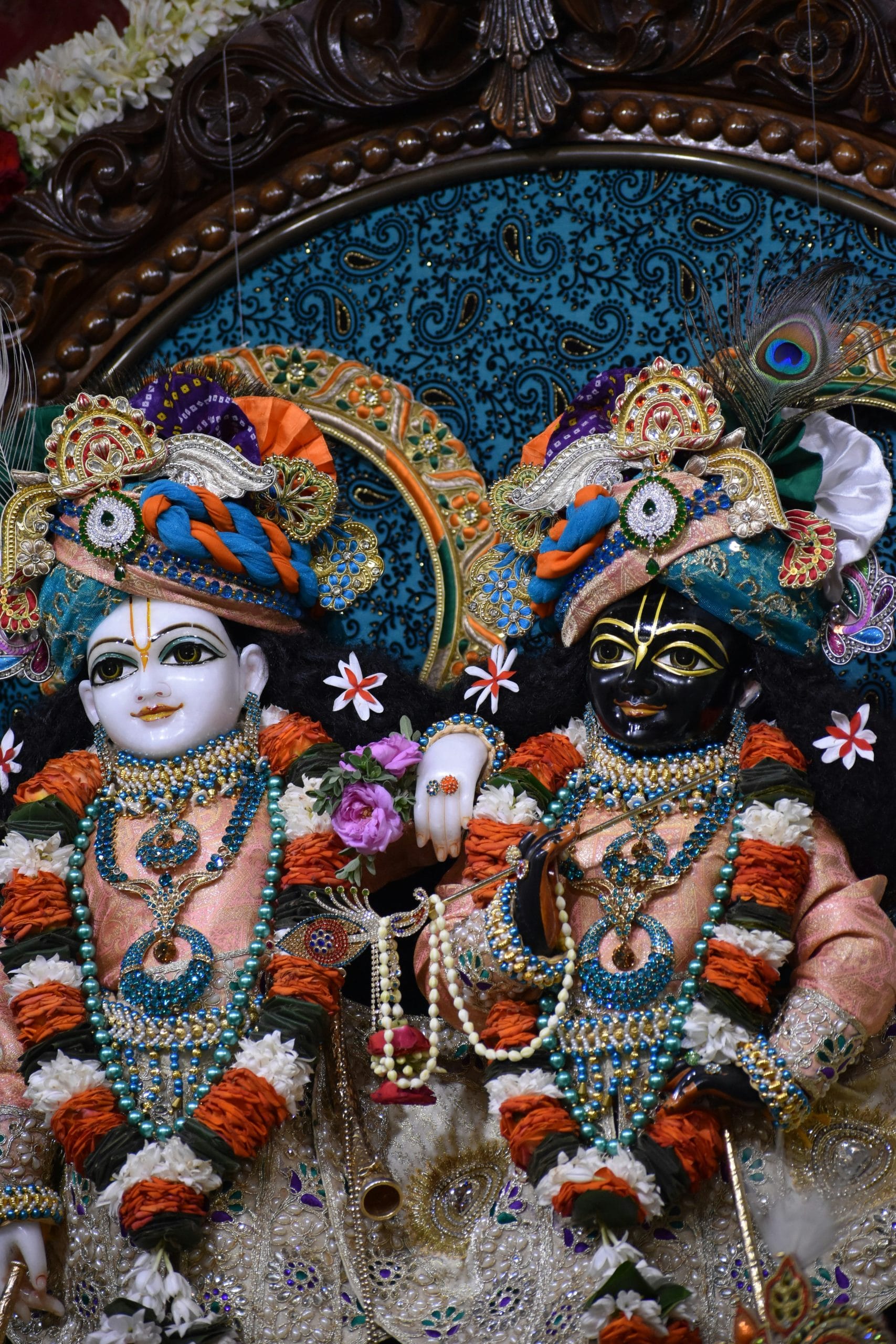
• Tulsi leaves • incense sticks • pure ghee diya • makhan mishri • Panchamrit ingredients • flowers • Krishna idol • peacock feather • flute decoration • bhog thali
Simple preparations done with faith are considered highly auspicious.
Spiritual Benefits Of Janmashtami Fast
According to devotees, observing Janmashtami vrat with sincerity helps bring:
• mental peace • spiritual positivity • emotional balance • discipline • family harmony • divine blessings
Many devotees also feel emotionally refreshed after spending the day in prayer and bhakti.
Final Thoughts
Janmashtami fasting is not about hardship. It is about devotion, simplicity, and connecting the mind with Lord Krishna.
Whether you follow a strict vrat or a simple fruit fast, sincerity and faith matter most.
As Janmashtami 2026 approaches, preparing spiritually and emotionally can make the celebration even more meaningful.
May Lord Krishna bless your family with happiness, wisdom, and peace.




 Home
Home  Whishlist
  Compare
  Checkout
  Account