
No products in the cart.





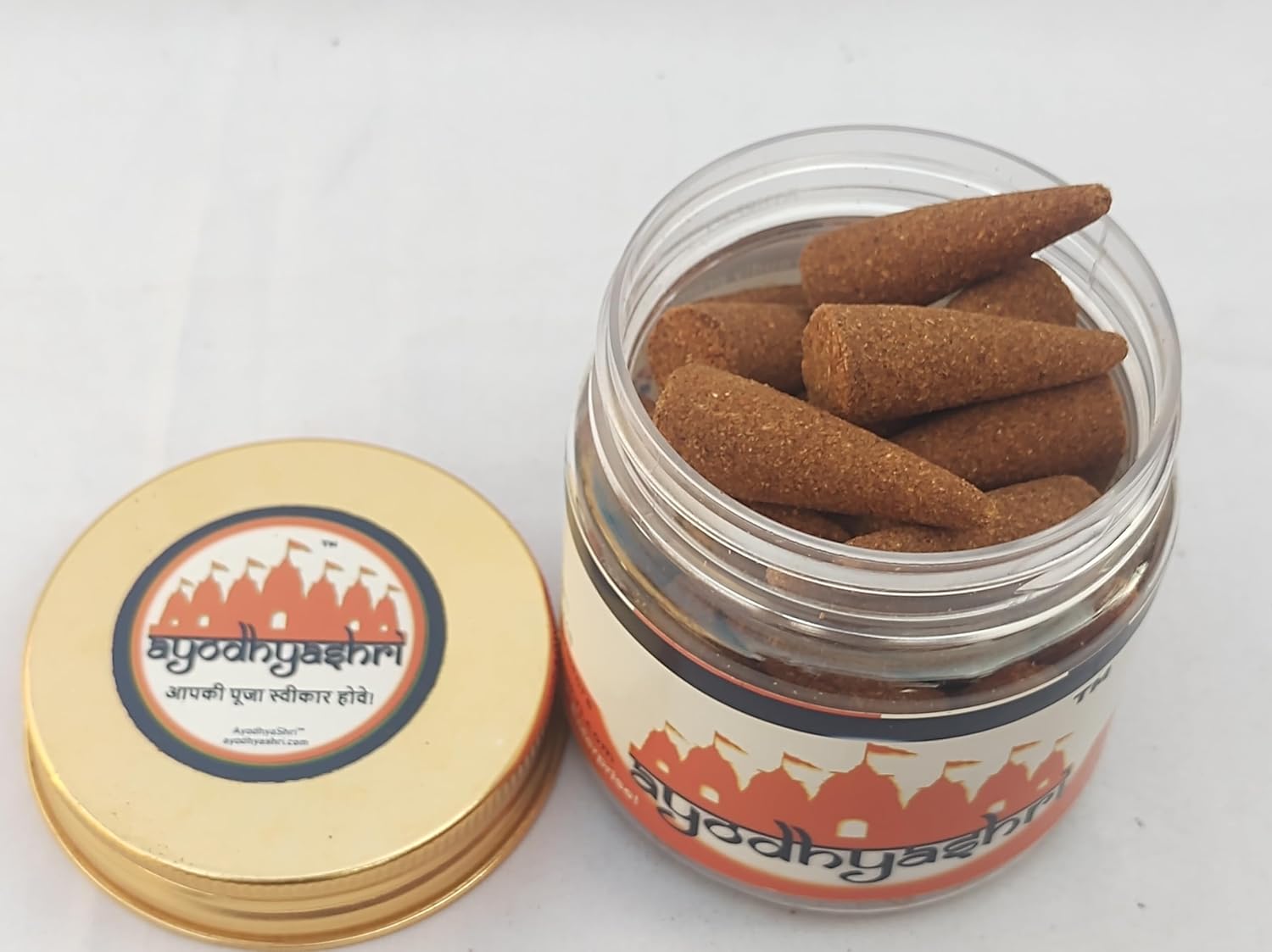

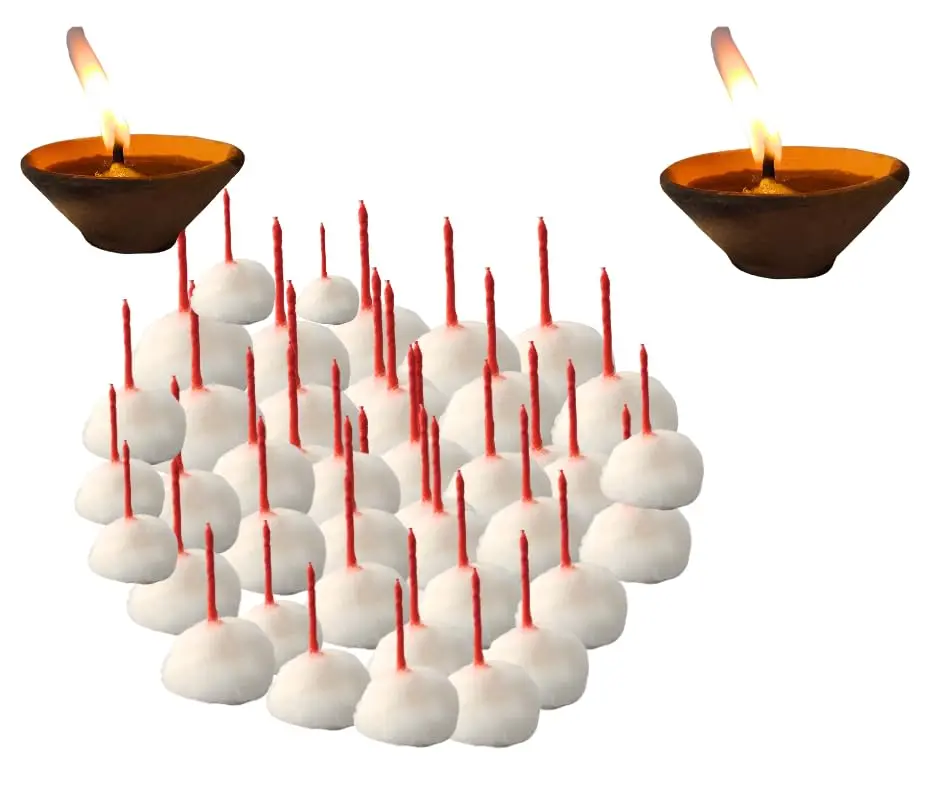
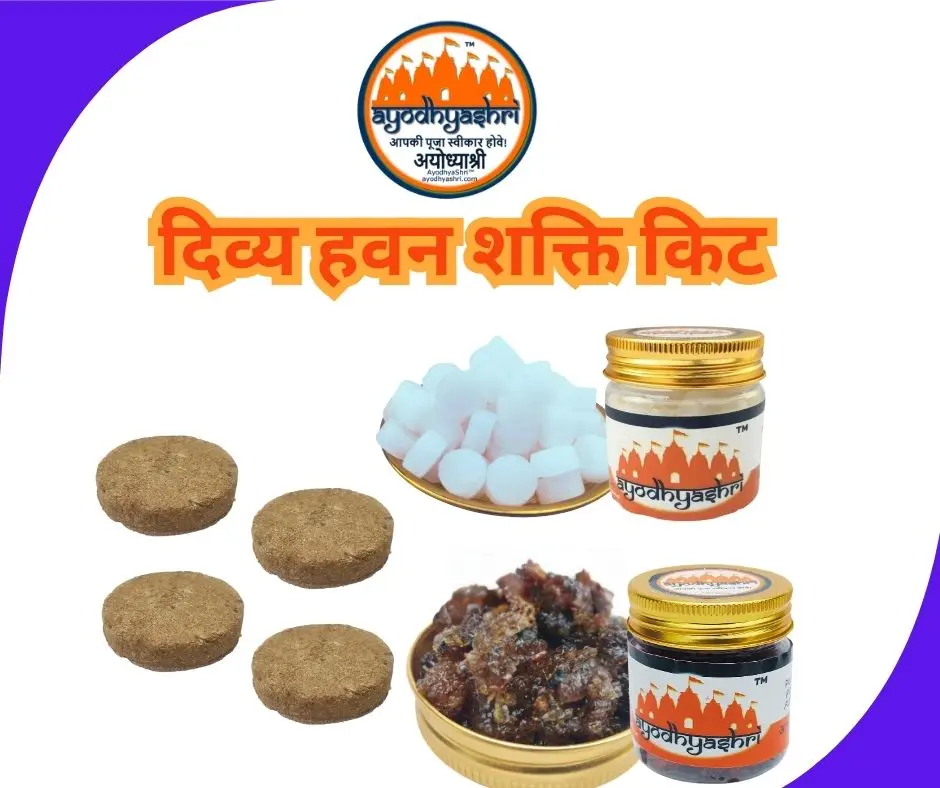
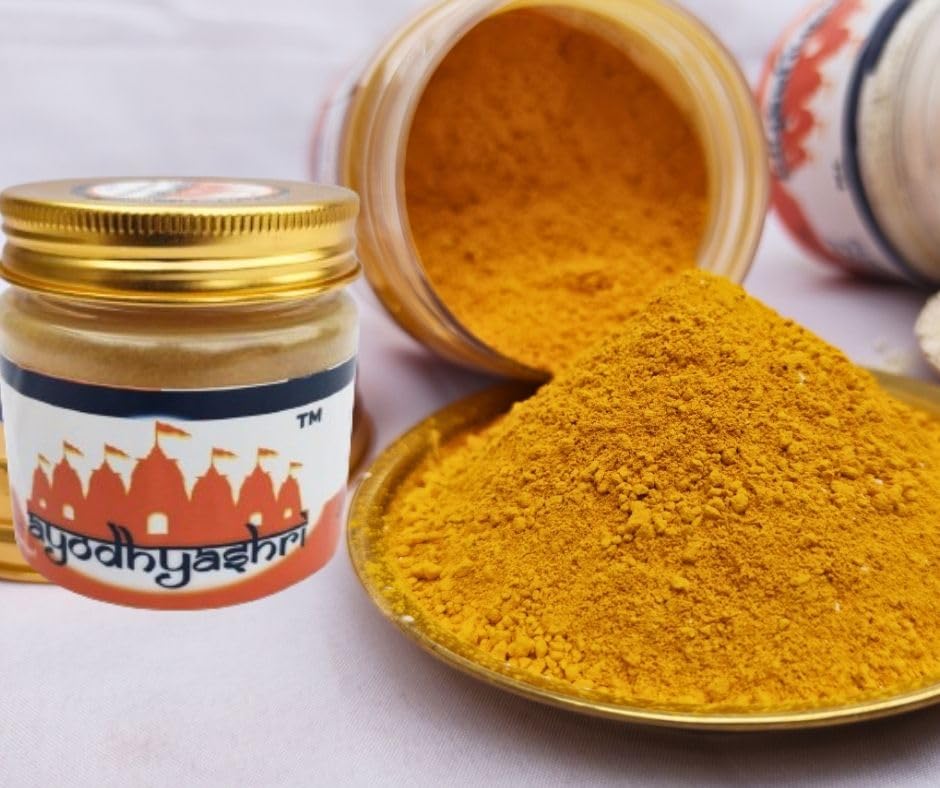


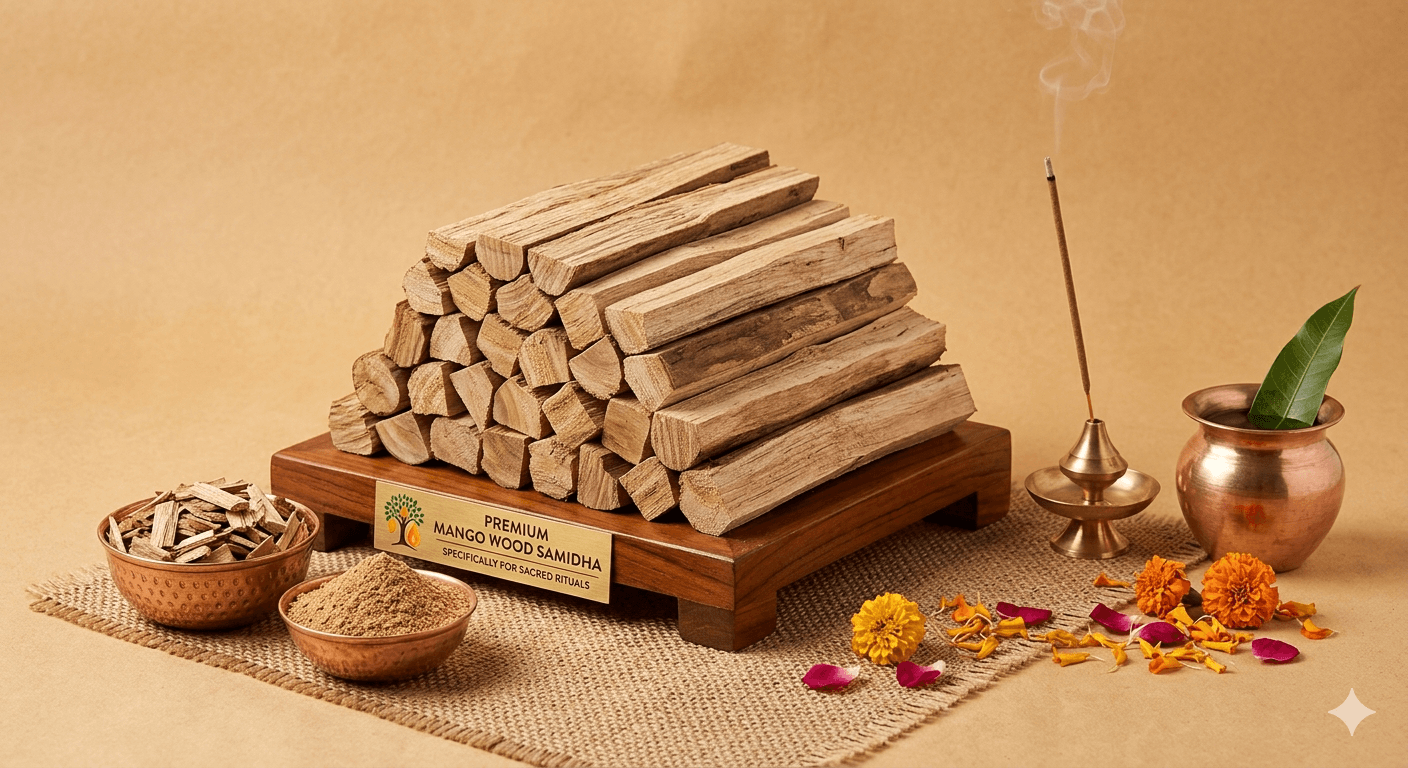
What Is Samidha? Meaning, Importance, Types Of Samidha Wood In Havan Explained
Learn what samidha means in Hindu rituals, why samidha wood is used in havan, different types of sacred firewood, Vedic significance, spiritual importance, and ritual usage explained simply.
Samidha Is One Of The Most Important Elements In Havan
Many people performing havan for the first time often hear words like:
- samidha
- havan samagri
- yajna wood
- sacred firewood
- aam ki lakdi
…but may not fully understand what samidha actually means.
In Hindu rituals, samidha refers to sacred wood sticks or ritual firewood offered into the holy fire during havan, yajna, homam, and Vedic ceremonies.
Although it may appear simple from outside, samidha holds deep spiritual and symbolic importance in Hindu traditions. It is not treated as ordinary firewood. Instead, it is considered a sacred offering connected with purity, devotion, and the ancient science of Vedic fire rituals.
Today, searches related to:
- samidha meaning
- what is samidha
- samidha in havan
- samidha wood types
…are increasing rapidly because younger devotees and spiritual seekers want to understand the meaning behind traditional rituals rather than simply following them mechanically.
This detailed guide explains the meaning, importance, spiritual significance, and different types of samidha used in Hindu rituals.
What Does Samidha Mean?
The word “samidha” comes from ancient Sanskrit traditions associated with Vedic rituals and yajna ceremonies.
In simple terms, samidha means sacred wood or ritual firewood used for maintaining the holy fire during havan.
These woods are carefully offered into Agni, the sacred fire, along with:
- ghee
- herbs
- havan samagri
- mantra offerings
- sacred ingredients
In Hindu philosophy, Agni is not viewed as ordinary physical fire. Agni is considered divine and acts as a spiritual medium carrying offerings and prayers toward higher energies.
Because of this belief, the materials offered into the fire are chosen respectfully and traditionally.
Samidha therefore becomes an essential spiritual component of the ritual rather than just fuel.
Why Is Samidha Used In Havan?
One of the most common questions people ask today is:
Why is samidha important in havan?
The answer lies in both spiritual symbolism and ritual functionality.
In traditional Vedic practices, the sacred fire represents:
- purification
- transformation
- divine connection
- spiritual energy
- surrender of negativity
Samidha helps sustain this sacred fire throughout the ritual.
As mantras are chanted and offerings are made into the flames, devotees believe the havan creates a spiritually uplifting atmosphere filled with positivity and devotion.
Samidha is therefore considered:
- a sacred offering
- a support for Agni
- a purifier during rituals
- a symbol of devotion
This is why priests and pandits often recommend using proper samidha wood instead of ordinary wood during puja ceremonies.
Difference Between Ordinary Wood And Samidha Wood
A common misconception is that any wooden stick can be used during havan.
However, traditional Hindu rituals distinguish clearly between ordinary burning wood and sacred samidha.
Samidha wood is usually selected based on:
- ritual suitability
- traditional usage
- spiritual significance
- purity
- burning quality
- scriptural acceptance
Ordinary chemically treated or painted wood is generally avoided during havan rituals.
Many devotees specifically search for:
- sacred firewood
- natural havan wood
- samidha sticks
- puja wood for havan
because they want spiritually appropriate ritual materials.
This growing awareness has increased interest in authentic samidha products across India.
Types Of Samidha Used In Hindu Rituals
Different Vedic traditions and regional customs may use different types of samidha wood.
Some commonly used sacred woods include:
Mango Wood Samidha
Mango wood, also called aam ki lakdi, is among the most popular choices for havan rituals.
It is widely considered auspicious and spiritually suitable for yajna ceremonies.
Many priests recommend mango wood because it burns steadily and supports continuous ritual offerings.
Peepal Wood
Peepal tree holds sacred significance in Hindu traditions.
Some rituals use peepal samidha because the tree is associated with spiritual symbolism and ancient worship practices.
Palash Wood
Palash wood is mentioned in certain traditional Vedic practices and yajna rituals.
Its ritual use may vary depending on sampradaya and regional traditions.
Sandalwood Pieces
In special pujas and temple rituals, sandalwood may also be added in smaller quantities for fragrance and sacred significance.
Why Mango Wood Is Most Commonly Used As Samidha
Among all ritual woods, mango wood remains one of the most commonly preferred samidha choices across India.
There are several reasons for this.
Many devotees believe mango wood represents:
- prosperity
- purity
- auspiciousness
- spiritual positivity
Mango tree leaves are already widely used during:
- Kalash sthapana
- griha pravesh
- weddings
- puja decoration
- temple rituals
Similarly, mango wood is also considered spiritually suitable for sacred fire ceremonies.
Priests often prefer mango samidha because:
- it burns steadily
- it creates balanced ritual fire
- it supports longer havan duration
- it works well with havan samagri
This deep traditional acceptance has made aam ki lakdi one of the most searched ritual woods today.
The Spiritual Meaning Behind Offering Samidha Into Fire
Havan rituals are deeply symbolic.
When devotees offer samidha into Agni while chanting mantras, it represents much more than physical fire worship.
Spiritually, the offering symbolizes:
- surrendering negativity
- purification of thoughts
- devotion toward divine energy
- inner transformation
- spiritual discipline
Many devotees believe the sacred fire helps create emotional calmness and positivity inside the environment.
The warmth of Agni, sound of mantras, fragrance of herbs, and glow of diyas together create a spiritually immersive atmosphere.
Samidha becomes an important part of this sacred experience.
How Samidha Is Used During Havan
During havan, samidha sticks are usually arranged carefully inside the havan kund before the ritual begins.
After lighting the sacred fire:
- ghee is offered
- mantras are recited
- herbs are added
- havan samagri is offered repeatedly
The samidha helps maintain the sacred flames throughout the ceremony.
Depending on the type of ritual, devotees may use:
- small wood sticks
- medium samidha pieces
- larger sacred firewood
For home havans, many families prefer dried ritual wood because it burns more consistently and creates manageable fire indoors.
Why Authentic Samidha Matters Today
As interest in traditional Hindu rituals grows again, many devotees are becoming more conscious about the authenticity of ritual materials.
Cheap chemically treated wood or synthetic products may reduce the traditional devotional experience associated with havan.
This is why spiritually inclined families increasingly search for:
- natural samidha
- authentic havan wood
- sacred firewood
- traditional yajna materials
Using traditional ritual materials helps preserve the spiritual atmosphere connected with ancient Vedic ceremonies.
Families preparing for havan and yajna rituals can explore traditional ritual woods and samidha collections including:
These are commonly used for havan, yajna, homam, and traditional Vedic rituals.
Why Searches Around Samidha Are Increasing Rapidly
Modern spiritual seekers increasingly want explanation-based answers instead of only product pages.
People now search:
- what is samidha
- why samidha used in havan
- best samidha wood
- samidha meaning in Hindi
- sacred wood for yajna
This shift creates massive opportunities for:
- AI Overview visibility
- featured snippets
- voice search
- educational ritual content
- glossary authority pages
Most ecommerce websites still use copied or extremely thin descriptions.
Detailed educational content around samidha can therefore rank strongly across Google, AI search engines, and voice assistants.
Common Mistakes People Make While Choosing Samidha
One common mistake is using random wood pieces without understanding ritual traditions.
Another issue is purchasing chemically processed wood meant for industrial burning rather than spiritual ceremonies.
Some people also confuse:
- havan samagri
- dhoop
- samidha
- ordinary firewood
Even though all may be used during rituals, their roles are different.
Choosing spiritually appropriate samidha helps maintain the traditional authenticity of havan ceremonies.
Why Samidha Still Holds Relevance In Modern Hindu Worship
Despite fast-changing lifestyles, havan and yajna traditions continue to remain deeply important in Indian spiritual culture.
Families still perform:
- griha pravesh havan
- Navgraha shanti
- Rudra homam
- Gayatri yajna
- festival havans
- temple rituals
Samidha remains central to all these practices because it represents continuity of ancient Vedic traditions.
For many devotees, the sacred fire ritual creates:
- emotional peace
- devotional connection
- spiritual positivity
- family bonding
- ritual authenticity
This emotional and spiritual relevance continues keeping samidha important even in modern times.
Final Thoughts
Samidha is much more than ritual firewood.
In Hindu traditions, it represents sacred offering, spiritual purity, devotion, and connection with ancient Vedic practices.
Whether used during simple home havans or elaborate yajna ceremonies, samidha helps sustain the sacred fire that remains central to Hindu fire rituals.
Understanding the meaning and importance of samidha allows devotees to perform rituals with deeper awareness and spiritual connection.
As more people reconnect with authentic Hindu traditions, educational content around samidha, sacred firewood, and Vedic rituals will continue becoming increasingly important across India.
Frequently Asked Questions
What is samidha in Hindu rituals?
Samidha refers to sacred wood sticks or ritual firewood used during havan, yajna, and homam ceremonies.
These woods are offered into the sacred fire along with ghee, herbs, and mantra offerings. Samidha is considered spiritually important in Vedic fire rituals.
Why is samidha important during havan?
Samidha helps maintain the sacred fire throughout the ritual and is symbolically associated with purification and devotion.
In Hindu traditions, the sacred fire represents spiritual transformation, positivity, and divine connection during havan ceremonies.
Which wood is commonly used as samidha?
Mango wood is among the most commonly used samidha woods across India.
Other woods such as peepal and palash may also be used depending on regional traditions and specific ritual requirements.
Is samidha different from ordinary wood?
Yes. Samidha is selected specifically for ritual suitability and spiritual significance.
Ordinary chemically treated wood is generally avoided during havan because traditional rituals prefer natural sacred firewood.
Where can I buy samidha wood for havan?
Devotees looking for ritual firewood and sacred samidha can explore:
These are commonly used during havan, yajna, and traditional Hindu fire rituals.





 Home
Home  Whishlist
  Compare
  Checkout
  Account