
No products in the cart.









Why Lord Krishna’s Birth Is Celebrated Across India With So Much Devotion
Discover the spiritual meaning of Janmashtami 2026, why Lord Krishna’s birth is celebrated, fasting traditions, puja rituals, and how devotees prepare their homes for Krishna Janmotsav.
Janmashtami 2026
Every year, millions of devotees across India wait eagerly for the sacred night of Janmashtami. Temples glow with lamps, homes echo with Krishna bhajans, children dress as little Kanha, and devotees prepare for midnight celebrations with immense faith and happiness.
Janmashtami is not just a festival. For many families, it is an emotional and spiritual occasion connected with love, devotion, innocence, protection, and divine guidance.
In 2026, Janmashtami will once again bring families together in prayer, fasting, bhajans, decoration, and Krishna worship. From small home mandirs to grand ISKCON temples, the atmosphere becomes deeply devotional as people celebrate the birth of Lord Krishna.
For devotees, Krishna is not only worshipped as a deity. He is seen as a friend, guide, protector, teacher, child, and the symbol of divine love.
Why Is Janmashtami Celebrated?
Janmashtami marks the birth of Lord Krishna, the eighth avatar of Lord Vishnu. According to Hindu scriptures, Krishna was born during a time when evil and injustice had increased greatly on Earth.
King Kansa, the ruler of Mathura, had become cruel and feared a prophecy that Devaki’s eighth child would end his tyranny. To stop this prophecy, Kansa imprisoned Devaki and Vasudeva.
However, on the divine night of Krishna’s birth, miracles unfolded.
It is believed that prison doors opened automatically, guards fell asleep, and Vasudeva carried baby Krishna across the Yamuna River during heavy rain to safety in Gokul.
This sacred story continues to inspire devotees because it symbolizes:
• victory of truth over evil • divine protection during difficult times • faith during darkness • hope and righteousness • love and compassion
For many devotees, Janmashtami is a reminder that whenever negativity rises, divine energy appears to restore balance.
Spiritual Importance Of Janmashtami
Lord Krishna’s teachings continue to guide millions even today.
The Bhagavad Gita, spoken by Krishna during the Mahabharata, is considered one of the greatest spiritual texts ever written. Krishna taught humanity about:
• dharma • karma • devotion • inner peace • selfless action • spiritual wisdom
This is why Janmashtami is celebrated not only with joy but also with deep reflection.
Many devotees spend the day:
• chanting Krishna mantras • reading Bhagavad Gita • observing fasts • singing bhajans • performing midnight puja • offering bhog to Laddu Gopal
The festival creates an atmosphere of purity, positivity, and devotion inside homes.
How Families Celebrate Janmashtami In India
Different regions celebrate Janmashtami in unique ways, yet the devotion remains the same.
In North India, temples are beautifully decorated and devotees gather for bhajans and midnight aarti.
In Maharashtra, Dahi Handi celebrations attract huge crowds where teams form human pyramids to break hanging pots of curd, symbolizing Krishna’s playful childhood.
In South India, people draw tiny Krishna footprints from the entrance to the mandir area, symbolizing baby Krishna entering the home.
Children often dress as Radha and Krishna, creating joyful memories for families.
Homes are decorated with:
• flowers • diyas • peacock feathers • jhulas for Laddu Gopal • rangoli • Krishna-themed decorations
The emotional beauty of Janmashtami lies in how families participate together.
Why Devotees Observe Janmashtami Fast
Fasting during Janmashtami is considered an act of devotion and self-discipline.
Many devotees avoid grains and consume only fruits, milk, makhana, sabudana, and vrat-friendly foods.
Some devotees observe a strict nirjala fast until midnight, while others follow simpler fasting traditions according to their health and family customs.
The purpose of fasting is not punishment. It is believed to help devotees:
• purify the mind • control desires • focus on prayer • increase spiritual discipline • feel closer to Krishna
The fast is usually broken after the midnight birth celebration and bhog offering.
Midnight Celebration: The Most Sacred Moment
The most emotional moment of Janmashtami arrives at midnight.
This is believed to be the exact time Lord Krishna was born.
At this time, devotees:
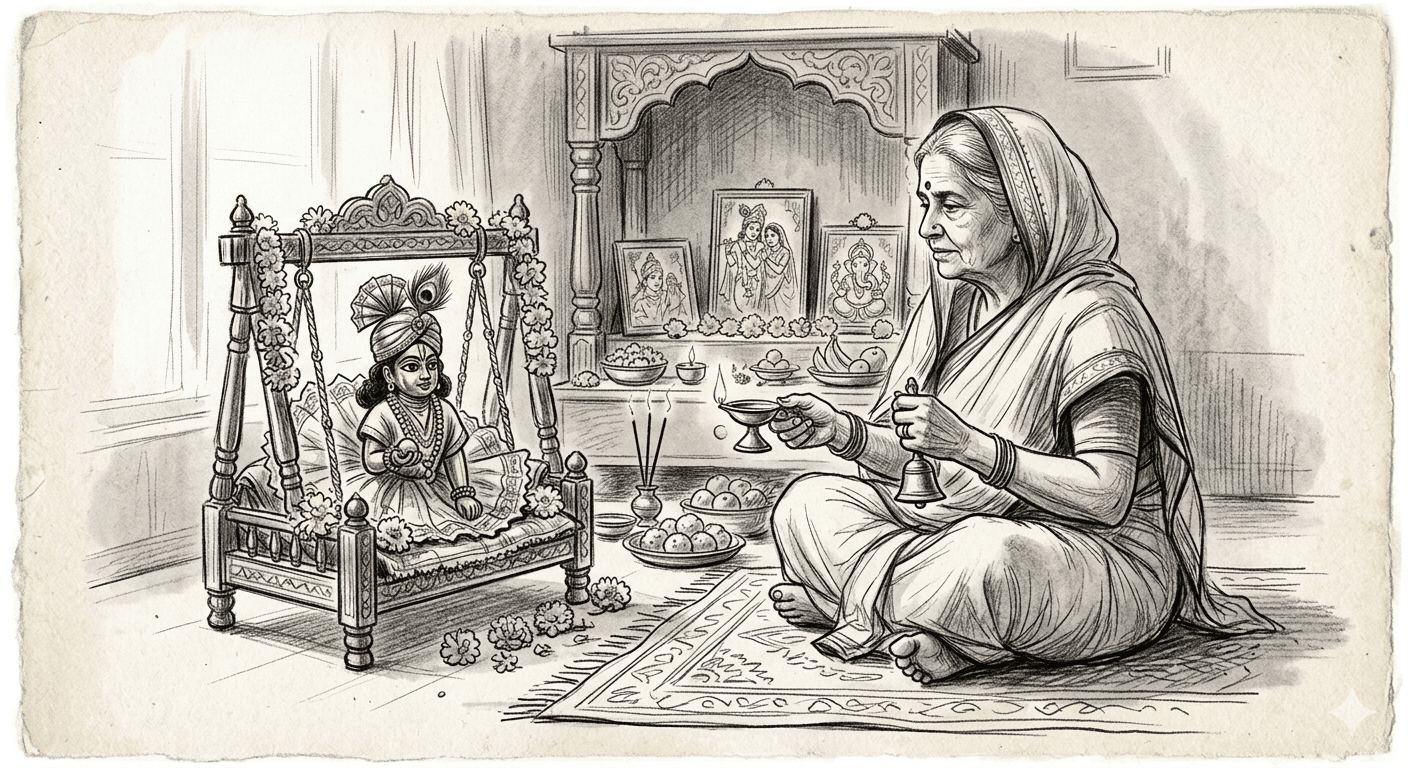
• ring bells • sing bhajans • perform aarti • bathe Laddu Gopal idol with Panchamrit • offer makhan mishri • chant Krishna mantras • decorate the cradle of baby Krishna
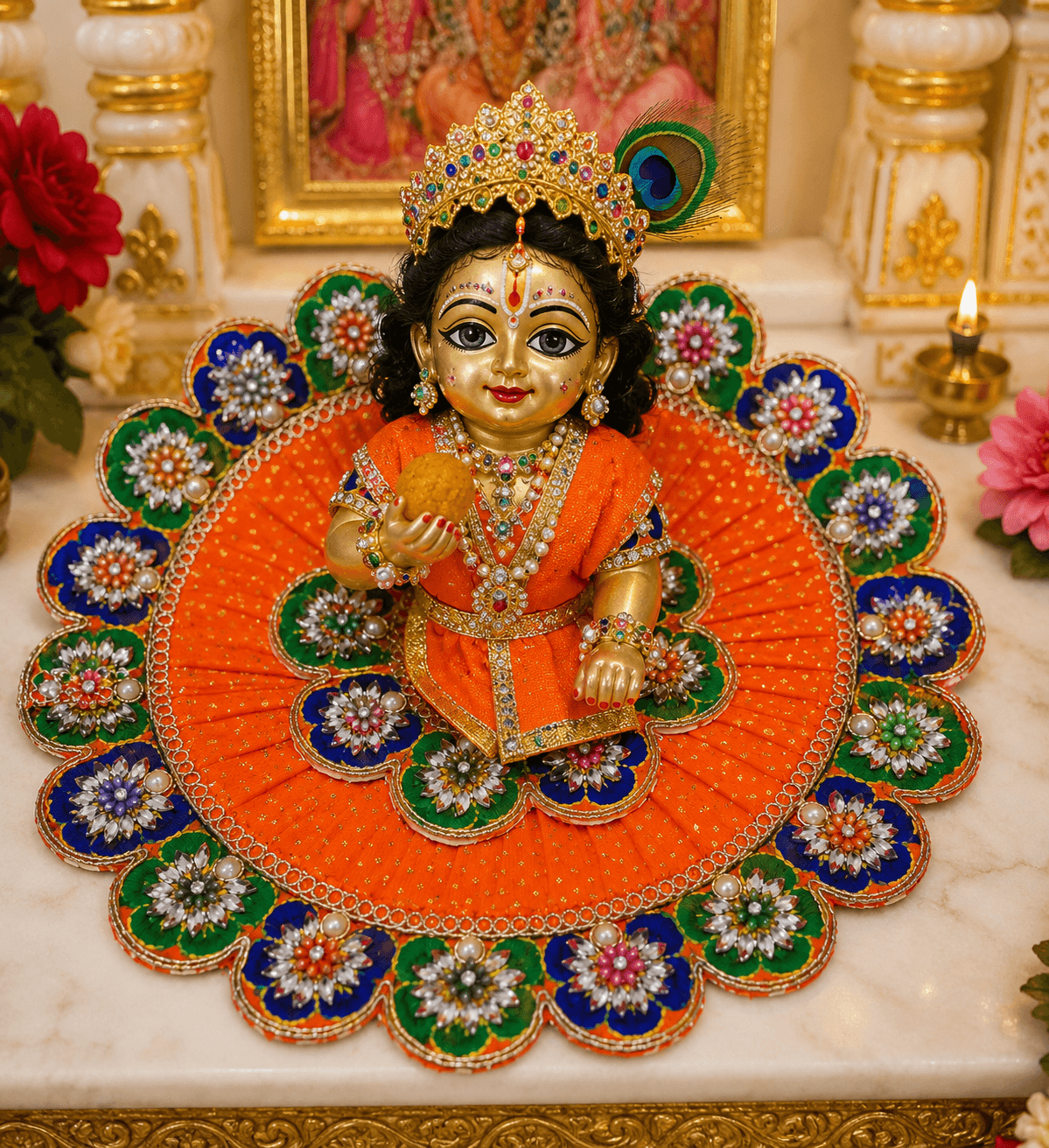
Many families place Laddu Gopal in a decorated swing and gently rock the cradle while singing devotional songs.
The atmosphere becomes deeply spiritual and joyful.
Common Bhog Offered To Lord Krishna
Lord Krishna is lovingly associated with butter, milk, sweets, and simple sattvic foods.
Popular Janmashtami bhog items include:
• makhan mishri • panjiri • peda • panchamrit • fruits • kheer • dry fruits • tulsi leaves • mishri
Many devotees prepare homemade bhog with great love because devotion matters more than extravagance.
Janmashtami Decorations That Create A Divine Atmosphere
Decorating the puja space is an important part of Janmashtami celebrations.
Simple decorations can transform the home into a devotional space filled with positivity.
Popular decoration ideas include:
• flower garlands • banana leaves • Krishna jhula setup • fairy lights • brass diyas • peacock feathers • colorful rangoli • flute-themed decor • temple bells
Even small decorations done with faith create a beautiful spiritual environment.
Why Janmashtami Is Emotionally Special For Devotees
Janmashtami connects deeply with emotions because Krishna’s life represents every shade of human experience.
He was:
• playful as a child • loving as a friend • wise as a teacher • courageous during challenges • compassionate toward devotees
People feel emotionally connected with Krishna because his teachings and stories continue to feel relevant even today.
Many devotees believe that praying to Krishna brings:
• peace in family life • emotional strength • positivity • guidance during confusion • protection during difficult phases
Preparing Your Home For Janmashtami 2026
As Janmashtami 2026 approaches, many devotees begin preparations early.
Common items used during Krishna puja include:
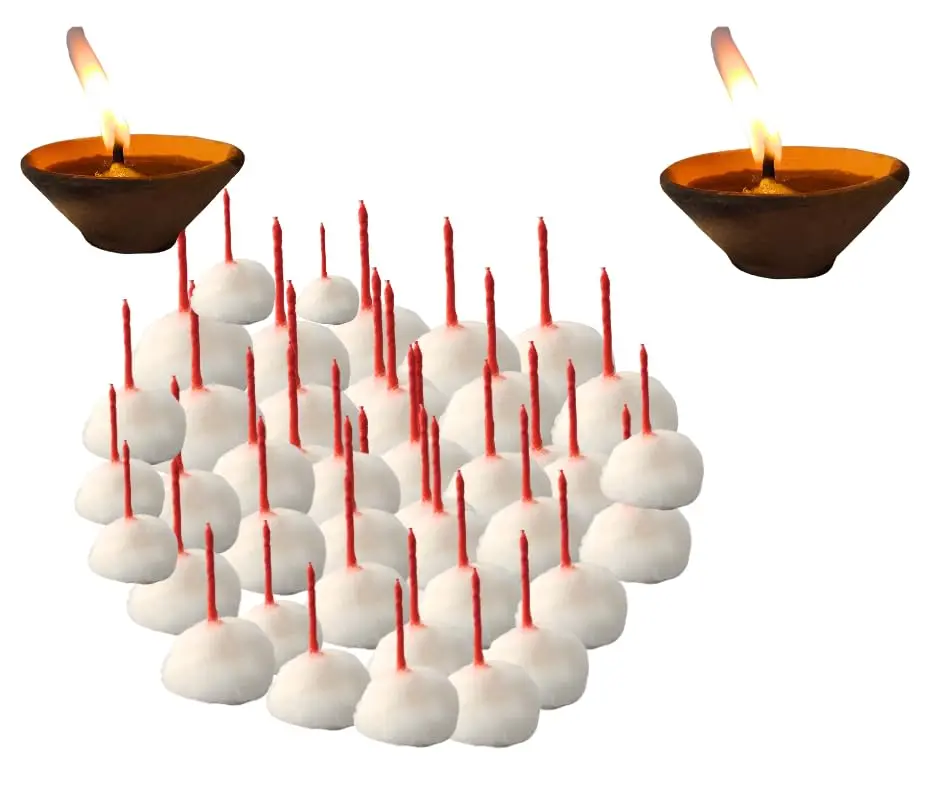
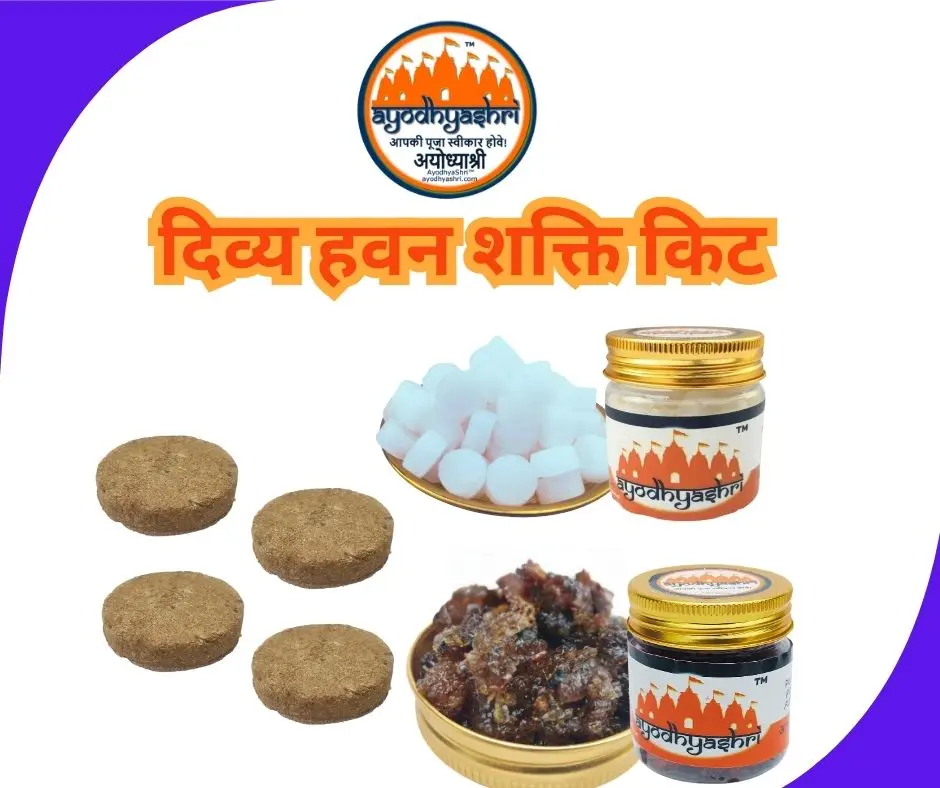
• incense sticks • pure ghee diyas • cotton wicks • brass diyas • peacock feathers • puja thali • Tulsi leaves • Panchamrit ingredients • decorative jhula • Krishna vastra
Preparing the home with devotion helps create a peaceful atmosphere for worship.
Final Thoughts
Janmashtami is much more than a festival marked on the calendar. It is a celebration of devotion, hope, love, and divine guidance.
Whether celebrated in a grand temple or a small home mandir, the essence remains the same: welcoming Lord Krishna with faith and happiness.
As Janmashtami 2026 approaches, devotees across India will once again prepare to celebrate the birth of the beloved Kanha with fasting, bhajans, decorations, and heartfelt prayers.
May Lord Krishna bless every home with peace, wisdom, happiness, and spiritual strength.




 Home
Home  Whishlist
  Compare
  Checkout
  Account