
No products in the cart.








Gokulashtami 2026 In South India: Complete Krishna Puja Guide, Vratham Rules, Seidai Recipes, Kolam Ideas & Traditional Celebration Rituals
Complete South Indian Gokulashtami 2026 guide covering Krishna Jayanthi rituals, vratham rules, kolam ideas, butter offerings, traditional neivedyam recipes, puja vidhi, and home celebrations.
Gokulashtami 2026 Is A Sacred Celebration Across South India
In South Indian homes, Gokulashtami is not just celebrated as a festival. It is experienced as a deeply emotional and devotional occasion filled with bhakti, family traditions, temple rituals, homemade sweets, devotional music, and beautiful home decorations.
Known by names such as Krishna Jayanthi, Gokulashtami, Sri Krishna Jayanti, or Ashtami Rohini depending on the region, the festival marks the divine birth of Lord Krishna.
Across Tamil Nadu, Karnataka, Andhra Pradesh, Telangana, and Kerala, families begin preparations several days in advance. Brass lamps are polished, rice flour kolams are drawn near entrances, butter and seedai preparations begin in kitchens, and homes fill with devotional songs dedicated to little Krishna.
Unlike many generic Janmashtami articles online, this South India focused Gokulashtami 2026 guide is specially structured for regional traditions, local terminology, devotional practices, vratham customs, neivedyam preparation, and South Indian family rituals.
This localized structure helps avoid search cannibalization while targeting region-specific search intent connected to Krishna Jayanthi celebrations in South India.
Why Gokulashtami Is Deeply Emotional In South Indian Families
For many South Indian devotees, Lord Krishna represents innocence, divine love, intelligence, protection, and joyful childhood energy.
Stories of Krishna stealing butter, playing flute, and charming devotees are emotionally woven into childhood memories across generations.
Grandmothers narrate Krishna stories to children while preparing homemade seedai and aval dishes. Mothers decorate tiny Krishna footprints near the entrance symbolizing little Krishna entering the home.
In many traditional households, Krishna Jayanthi becomes one of the most culturally rich spiritual occasions where devotion and family bonding come together beautifully.
The festival is especially meaningful because it allows families to reconnect with:
traditional values, regional customs, Bhagavad Gita teachings, and devotional simplicity.
Different Names For Janmashtami Across South India
One important SEO opportunity many websites miss is regional terminology.
Different South Indian states search using different festival names.
Tamil Nadu searches often include:
Gokulashtami, Sri Krishna Jayanthi, Krishna Jayanthi, Uriyadi festival.
Karnataka searches commonly include:
Sri Krishna Janmashtami, Krishna Ashtami, Mosaru Kudike.
Kerala searches frequently use:
Ashtami Rohini, Krishna Jayanthi.
Andhra Pradesh and Telangana searches commonly include:
Sri Krishna Ashtami, Krishnashtami, Gokulashtami.
Optimizing for these localized terms helps attract highly relevant regional search traffic.
When Is Gokulashtami 2026 In South India?
Gokulashtami 2026 is expected to be celebrated in early September according to the Hindu lunar calendar.
In many South Indian Panchang traditions, special importance is given to Rohini Nakshatra and Ashtami Tithi while determining puja timing.
Some families strictly follow temple-specific timing traditions depending on regional customs.
The most sacred time remains midnight because devotees believe Lord Krishna was born during the midnight hour.
This is why many homes remain spiritually active late into the night with:
bhajans, sloka chanting, deepam lighting, and Krishna puja rituals.
Traditional South Indian Gokulashtami Preparations At Home
Preparations for Krishna Jayanthi usually begin one or two days before the festival.
Homes are cleaned thoroughly because spiritual purity is considered important before welcoming Lord Krishna.
Women decorate entrances using beautiful rice flour kolams while children participate in placing tiny Krishna footprints from the entrance toward the pooja room.
In Tamil and Kannada households especially, these baby Krishna footprints remain one of the most emotional and recognizable Gokulashtami traditions.
Brass lamps are polished carefully and pooja rooms are decorated using:
mango leaves, banana leaves, flower garlands, Tulsi, and traditional oil lamps.
The fragrance of sandalwood, incense, jasmine flowers, and homemade sweets creates a deeply spiritual atmosphere inside homes.
Krishna Footprints Tradition And Its Spiritual Meaning
One of the most searched and loved South Indian Krishna Jayanthi traditions is drawing baby Krishna footprints.
Using rice flour paste or kolam powder, devotees create tiny footsteps leading toward the pooja area.
This symbolizes Lord Krishna entering the house and blessing the family.
Children especially become excited while helping create these footprints.
In many homes, mothers explain that Krishna arrives as a playful divine child bringing:
joy, prosperity, peace, and positivity.
This simple ritual creates emotional memories that often remain deeply connected with childhood.
Complete South Indian Krishna Jayanthi Pooja Vidhanam
Gokulashtami pooja in South Indian homes is usually simple, devotional, and family-oriented.
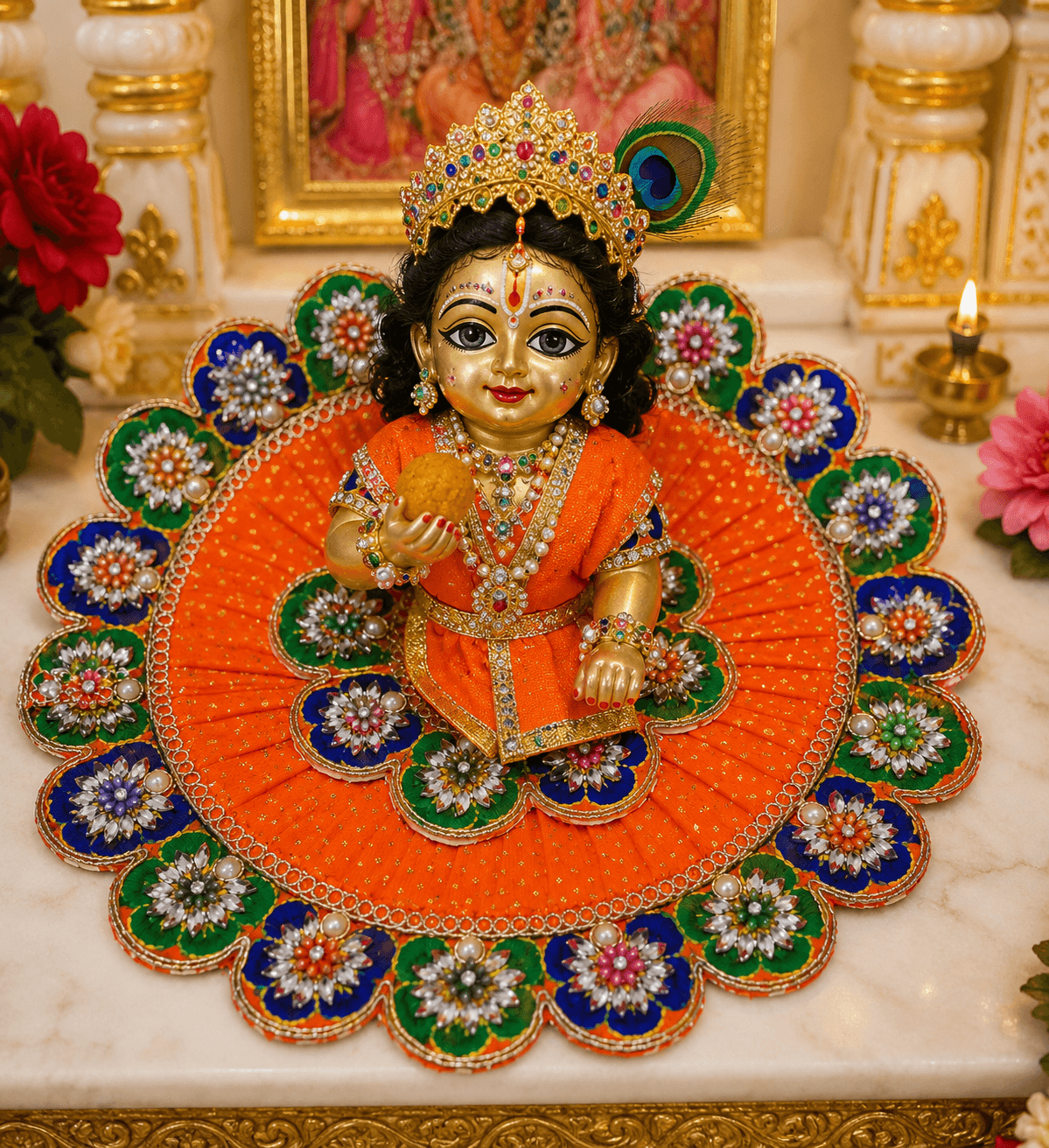
The pooja area is decorated beautifully using flowers, lamps, kolam, and Krishna idols.
Devotees begin by lighting traditional deepams and incense sticks.
Krishna idol or photo is decorated using fresh vastram, Tulsi garlands, flowers, and sandalwood paste.
Many families perform abhishekam using:
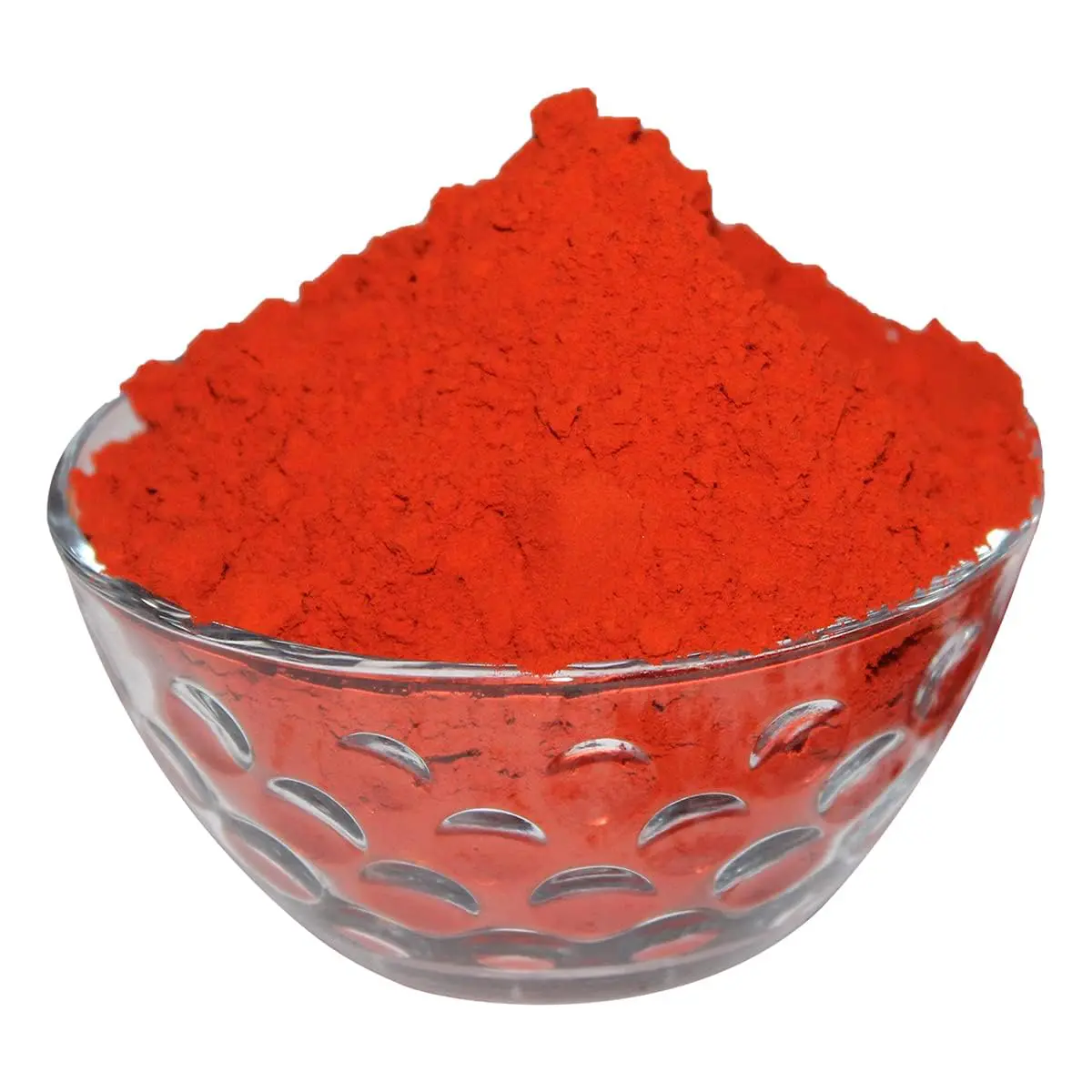
milk, curd, honey, ghee, and tender coconut water.
Devotees then offer homemade neivedyam while chanting Krishna slokas and Vishnu Sahasranamam.
Bhajans and devotional songs continue throughout the evening until midnight celebrations.
At midnight, Krishna aarti is performed joyfully and devotees sing songs welcoming little Krishna.
South Indian Krishna Jayanthi Neivedyam List
Food preparation holds deep devotional importance during Gokulashtami.
Unlike North Indian Janmashtami bhog traditions, South Indian Krishna Jayanthi often includes several unique homemade offerings.
Popular South Indian neivedyam items include:
seedai, uppu seedai, vella seedai, aval, nei appam, thattai, payasam, butter, curd, and fresh fruits.
In Tamil Nadu especially, homemade seedai preparation is strongly associated with Krishna Jayanthi.
Families often spend hours preparing traditional snacks together which creates strong emotional bonding.
Butter remains especially important because Krishna is lovingly remembered as Navaneetha Krishna, the butter-loving child deity.
Krishna Jayanthi Vratham Rules In South India
Many South Indian devotees observe vratham during Gokulashtami.
Vratham methods vary according to family customs, health, age, and sampradaya traditions.
Some devotees observe complete fasting until midnight while others consume milk, fruits, and sattvic tiffin preparations.
The spiritual purpose of vratham is believed to be:
self-discipline, mental purity, spiritual focus, and devotion toward Krishna.
Many devotees avoid onion, garlic, tamasic food, and unnecessary distractions during the vratham.
Families often spend more time chanting Vishnu Sahasranamam, Bhagavad Gita verses, or Krishna bhajans during the fasting period.
Uriyadi And Mosaru Kudike Traditions In South India
Different South Indian regions celebrate Krishna childhood stories through unique local traditions.
In Tamil Nadu, Uriyadi celebrations involve breaking hanging pots similar to Krishna’s butter stealing stories.
In Karnataka, Mosaru Kudike celebrations attract large gatherings where participants form groups to break curd pots.
These traditions symbolize Krishna’s playful childhood and create festive community celebrations.
Children especially enjoy these events because they combine devotion, excitement, music, and local culture.
Regional traditions like these create powerful localized search opportunities for South Indian Krishna festival content.
Temple Celebrations Across South India During Gokulashtami
Many famous temples across South India celebrate Krishna Jayanthi with grand devotion.
Temples organize:
special alankarams, bhajans, spiritual discourses, prasadam distribution, and midnight poojas.
ISKCON temples in Bengaluru, Chennai, Hyderabad, and other cities witness huge crowds during Krishna Janmashtami.
In Kerala, Ashtami Rohini celebrations become spiritually vibrant with devotional singing and temple rituals.
Temple visits during Gokulashtami are considered highly auspicious by many devotees.
Traditional Pooja Essentials Used During Krishna Jayanthi
Authentic pooja materials play an important role in creating a devotional atmosphere during Gokulashtami.
Many South Indian households prefer traditional spiritual items such as:
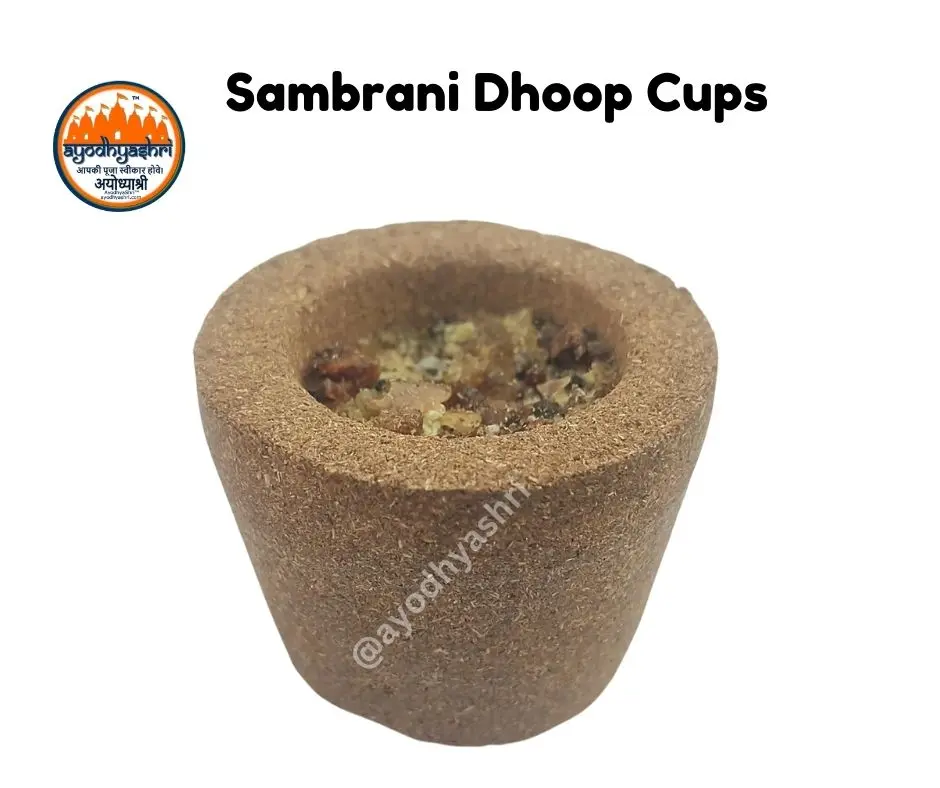
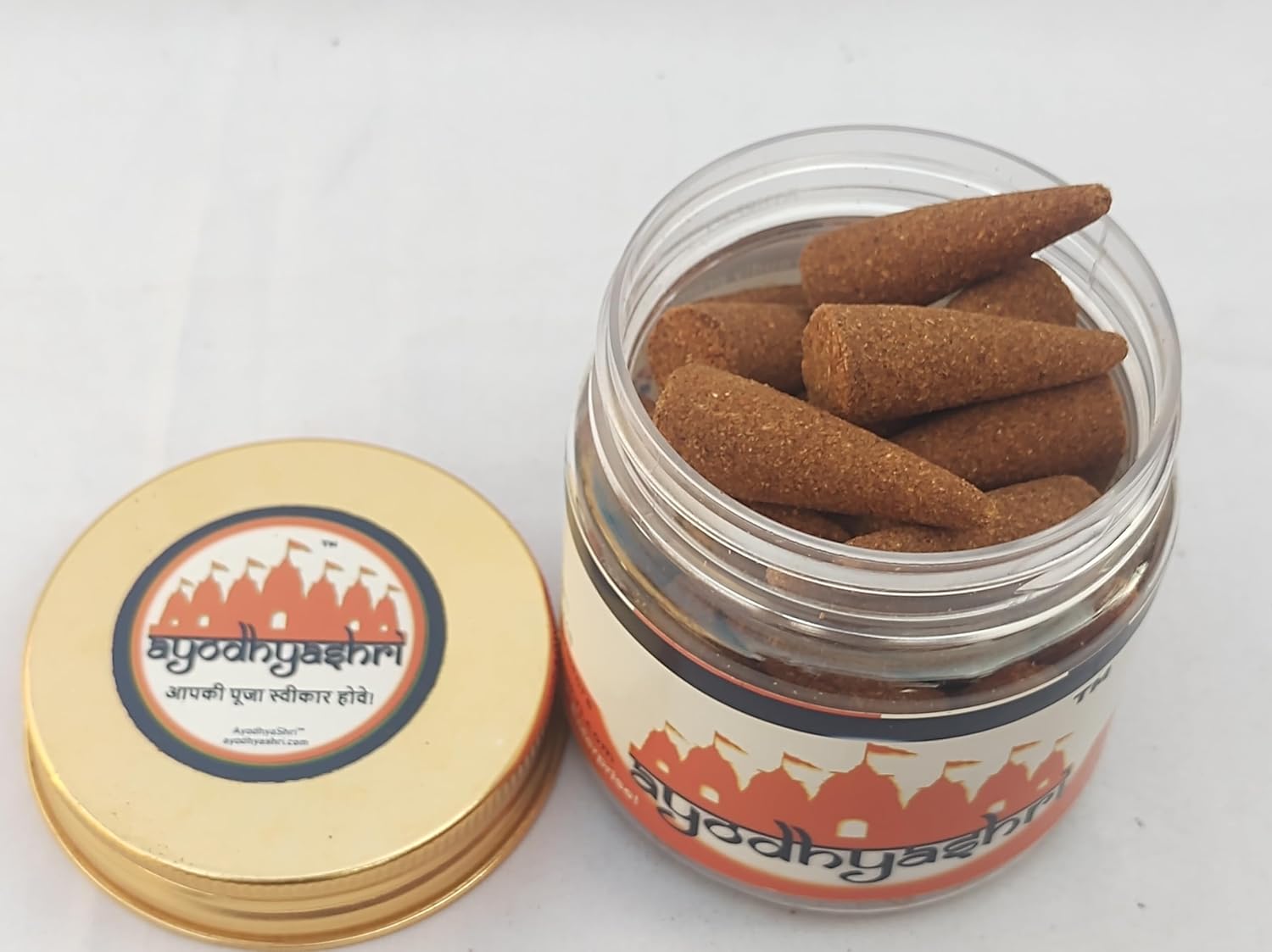
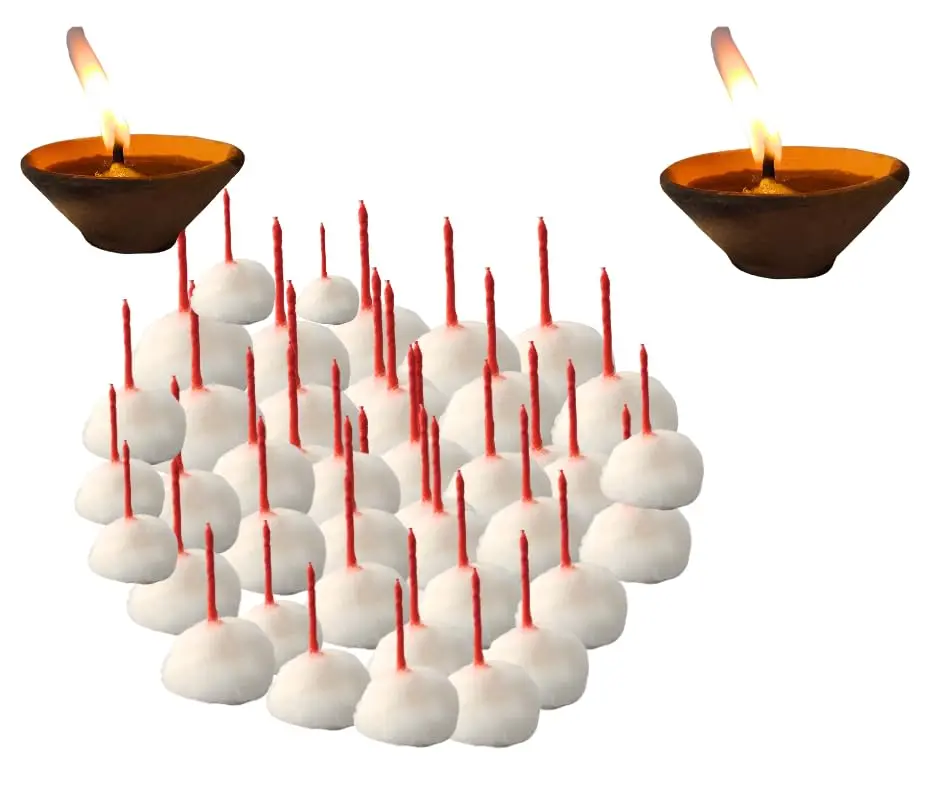
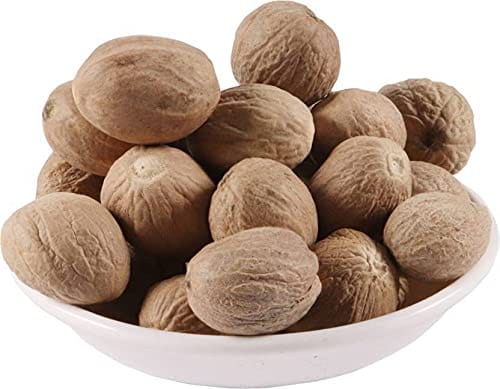
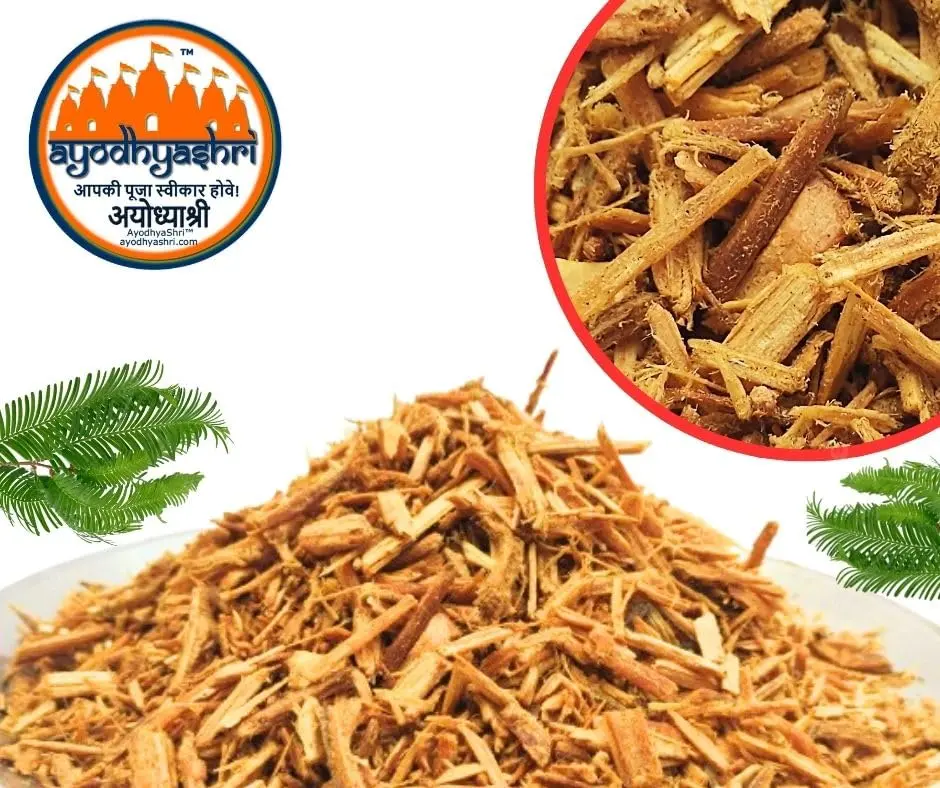
brass deepams, cotton wicks, pure ghee, sandalwood incense, camphor, Tulsi, and natural dhoop products.
Traditional pooja products help preserve the spiritual authenticity of home worship.
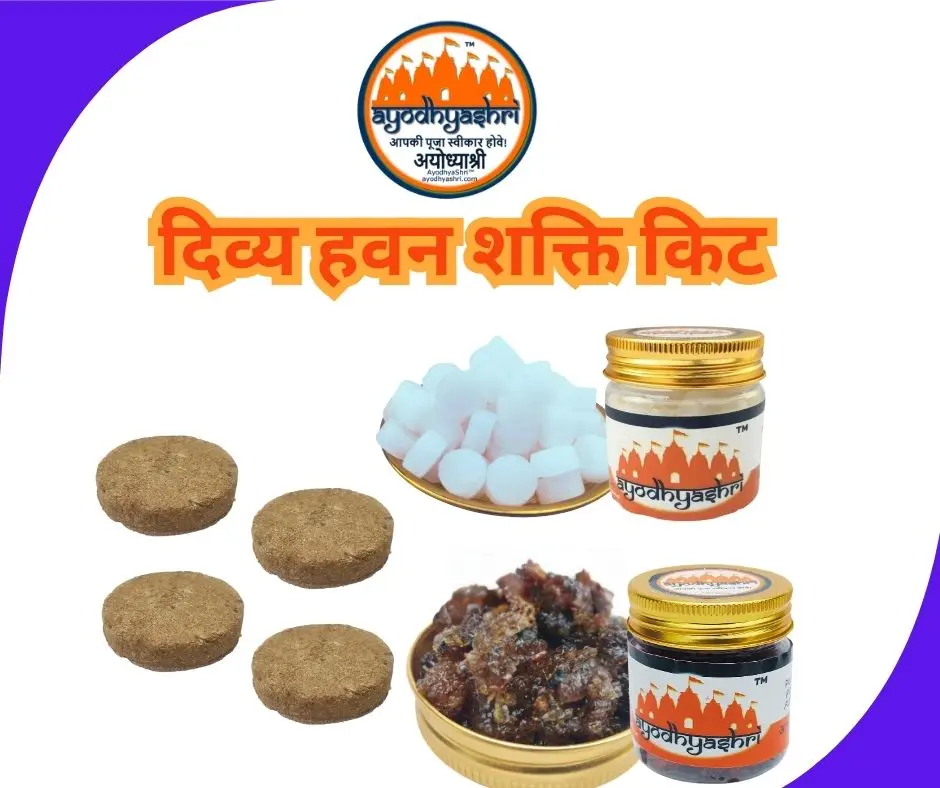
Families preparing for Krishna Jayanthi celebrations can explore spiritual and pooja essentials on urlAyodhyashrihttps://ayodhyashri.com including diyas, incense sticks, pooja samagri, camphor, havan materials, and devotional ritual products.
Why Krishna Jayanthi Still Matters In Modern South Indian Homes
Despite modern lifestyles becoming increasingly busy and digital, Gokulashtami continues to hold deep emotional importance.
The festival allows families to slow down and reconnect with:
culture, devotion, tradition, and family values.
Children learn spiritual stories while participating in decorations and pooja rituals.
Elders pass down recipes, devotional songs, and customs that preserve cultural continuity.
For many families, Krishna Jayanthi becomes an annual reminder of innocence, faith, simplicity, and divine love.
This emotional continuity is one reason why Gokulashtami searches continue growing strongly across South India every year.
Creating A Peaceful Krishna Atmosphere At Home
Simple spiritual details can transform the feeling of a home during Gokulashtami.
The glow of traditional deepams, fragrance of jasmine flowers, devotional flute music, sandalwood incense, and chanting of Krishna slokas create a deeply calming atmosphere.
Many devotees prefer using traditional pooja materials and authentic devotional products to preserve the spiritual feel of Krishna worship.
Using natural dhoop, brass lamps, pure ghee diyas, and traditional pooja samagri helps create a temple-like devotional environment inside the home.
Families preparing for Krishna Jayanthi 2026 can explore devotional and ritual essentials on urlAyodhyashrihttps://ayodhyashri.com for creating spiritually immersive home celebrations.
Final Thoughts
Gokulashtami 2026 is more than a regional festival. It is a beautiful celebration of devotion, childhood innocence, divine love, and family togetherness.
Across South India, homes will once again glow with deepams, kolams, bhajans, butter offerings, seedai preparations, and heartfelt Krishna prayers.
Whether celebrated in a traditional ancestral home or a modern apartment, the spiritual essence remains unchanged.
Lord Krishna continues to inspire devotees through his wisdom, compassion, joy, and divine guidance.
As Krishna Jayanthi approaches, may every home be filled with positivity, devotion, peace, prosperity, and the joyful blessings of little Kanha.
Frequently Asked Questions About Gokulashtami 2026
1. What is the difference between Janmashtami and Gokulashtami?
Janmashtami and Gokulashtami both celebrate the birth of Lord Krishna. However, South Indian states commonly use names such as Gokulashtami, Krishna Jayanthi, or Ashtami Rohini depending on regional traditions.
The core spiritual meaning remains the same across India. The differences mainly appear in regional customs, recipes, pooja methods, and terminology.
South Indian celebrations often include kolam designs, seedai preparations, Krishna footprints, and traditional deepam lighting.
2. Why are tiny Krishna footprints drawn during Gokulashtami?
Drawing Krishna footprints symbolizes little Krishna entering the home and blessing the family.
This tradition is especially popular in Tamil Nadu, Karnataka, Andhra Pradesh, and Kerala households.
Families usually create the footprints using rice flour paste or kolam powder leading toward the pooja room.
Children enjoy participating in this ritual because it creates emotional excitement and devotional connection.
3. What special foods are prepared during South Indian Krishna Jayanthi?
Traditional South Indian Krishna Jayanthi preparations include seedai, aval, butter, nei appam, thattai, payasam, fruits, and Panchamrit.
Butter holds special importance because Krishna is associated with butter stealing stories from childhood.
Many of these recipes are prepared fresh at home using traditional methods.
Homemade neivedyam is considered spiritually auspicious during Gokulashtami.
4. Can Krishna Jayanthi pooja be performed at home?
Yes, Krishna Jayanthi pooja can easily be performed at home with simple devotion and sincerity.
Families usually decorate the pooja room, light deepams, offer flowers, chant slokas, and prepare homemade neivedyam.
Grand arrangements are not compulsory. Devotion and spiritual intention are considered most important.
Even small family poojas create beautiful emotional memories.
5. Why is butter offered to Lord Krishna?
Butter is offered because Lord Krishna is lovingly remembered for stealing butter during childhood.
This playful aspect of Krishna’s life symbolizes innocence, joy, and divine sweetness.
Many devotees prepare fresh homemade butter during Gokulashtami as an offering.
Makhan and butter-based neivedyam remain emotionally significant during Krishna worship.
6. What pooja items are commonly used during Gokulashtami?
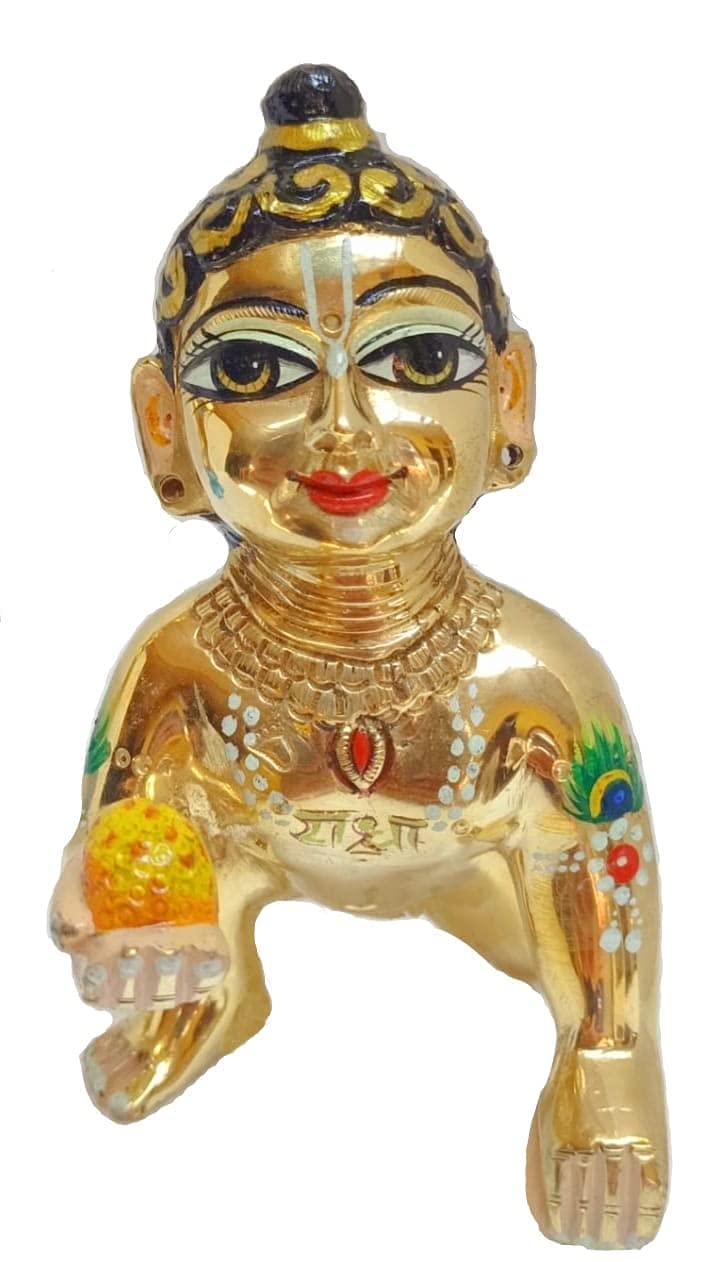
Common pooja items include brass lamps, cotton wicks, camphor, incense sticks, flowers, Tulsi leaves, Krishna idol, sandalwood paste, Panchamrit ingredients, and decorative vastram.
Many South Indian families also prepare kolam powder, banana leaves, and traditional deepams.
Using authentic pooja products helps create a more devotional spiritual atmosphere.
Traditional ritual items are commonly preferred during Krishna Jayanthi celebrations.
7. What is Uriyadi in Tamil Nadu?
Uriyadi is a traditional Krishna Jayanthi celebration popular in Tamil Nadu.
Participants attempt to break hanging pots similar to Krishna’s playful butter stealing stories.
The celebration creates festive excitement and community participation during Gokulashtami.
Uriyadi events are especially enjoyed by children and youth during Krishna festival celebrations.
8. Why is Gokulashtami spiritually important today?
Gokulashtami reminds families about devotion, simplicity, positivity, and emotional connection with spirituality.
In modern stressful lifestyles, festivals like Krishna Jayanthi help people reconnect with faith, culture, and family traditions.
Children also learn valuable spiritual teachings and stories associated with Lord Krishna.
The festival creates emotional peace, cultural continuity, and devotional positivity inside homes.




 Home
Home  Whishlist
  Compare
  Checkout
  Account