
No products in the cart.








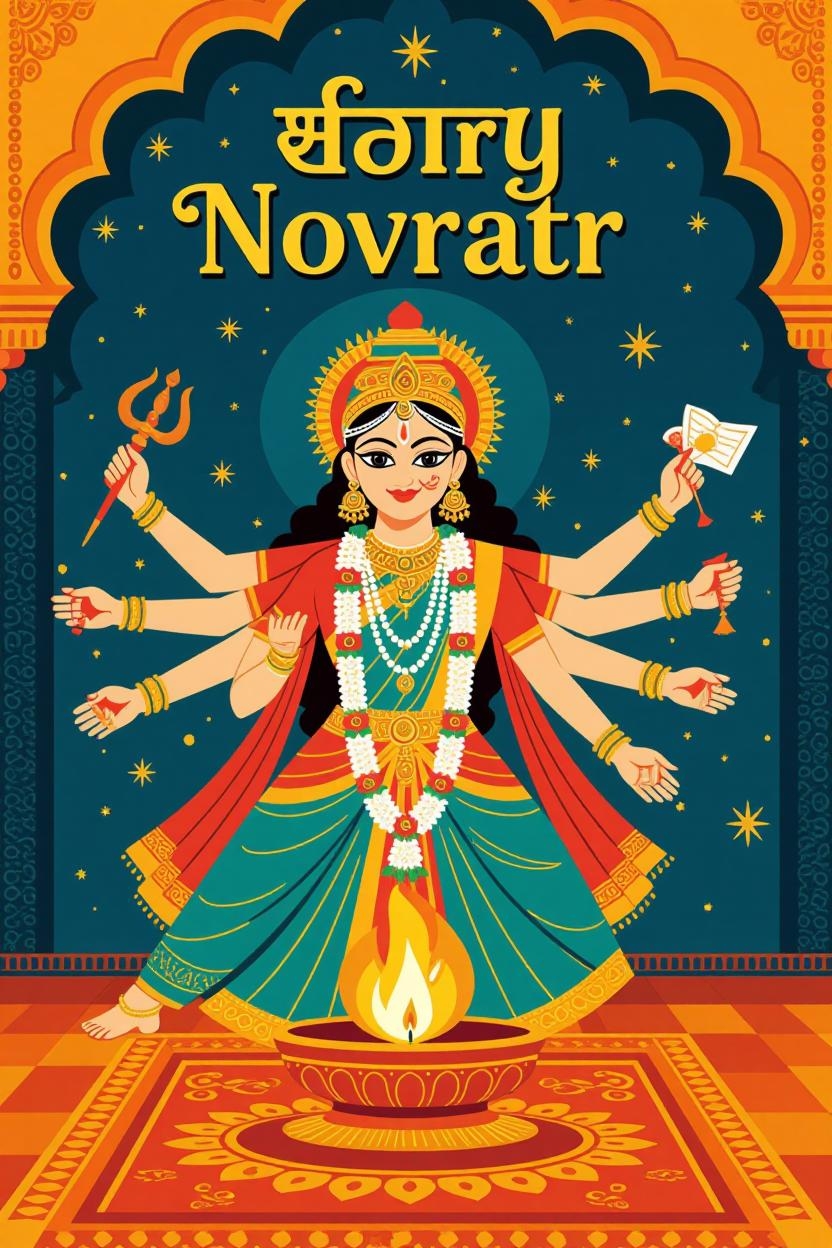
Navratri is a season of devotion, discipline and celebration. For many households it is also a logistical challenge. Collecting all the correct items for nine days of worship, handling fasting rituals and arranging daily puja while balancing family routines requires careful planning. A thoughtfully assembled Navratri pooja kit removes guesswork and restores the focus of the devotee to prayer and inner renewal. This article is a practical, devotional and trusted guide to what belongs in an authentic Navratri pooja kit, why each item matters, how to select quality products, and how to use them in everyday ritual.
Why a Pooja kit matters
For busy families and for devotees living abroad the biggest obstacle to meaningful worship is lack of time and access to traditional items. A kit brings together the essentials in the correct quantities and formats and reduces last-minute shopping stress. Beside convenience the kit also preserves ritual integrity. A kit that is designed by experienced pundits ensures you have the correct offerings to satisfy tradition, and it prevents accidental omissions that can upset the rhythm of the nine-day practice.
Core contents of a Navratri pooja kit and why they matter
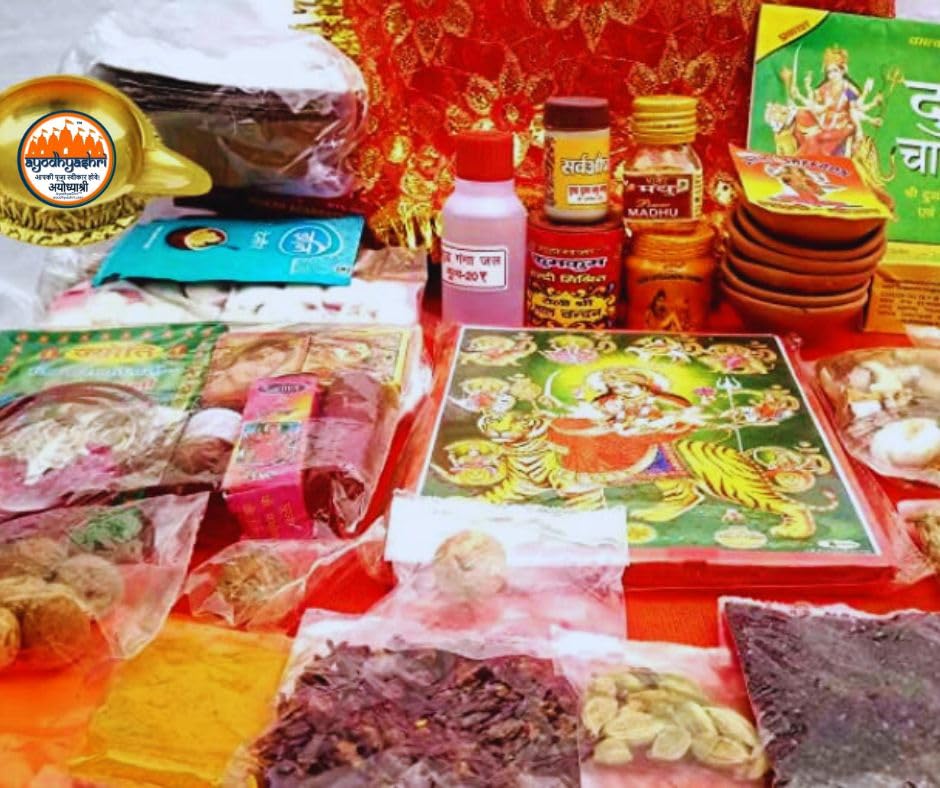
A complete kit should contain items used every day of Navratri and some extras for special offerings. A well curated kit typically includes a Kalash with coconut and mango leaves, a chunri or sari for the Devi, akshat rice, kumkum, haldi, incense sticks, natural camphor, ghee or diyas, fresh or dried flowers, and prasad items such as sweets. Because each day of Navratri is dedicated to a distinct form of the Mother, including small items such as turmeric, red thread, and a book or leaflet explaining the nine forms and their mantras is helpful for families and newcomers.
Kalash and Chunri
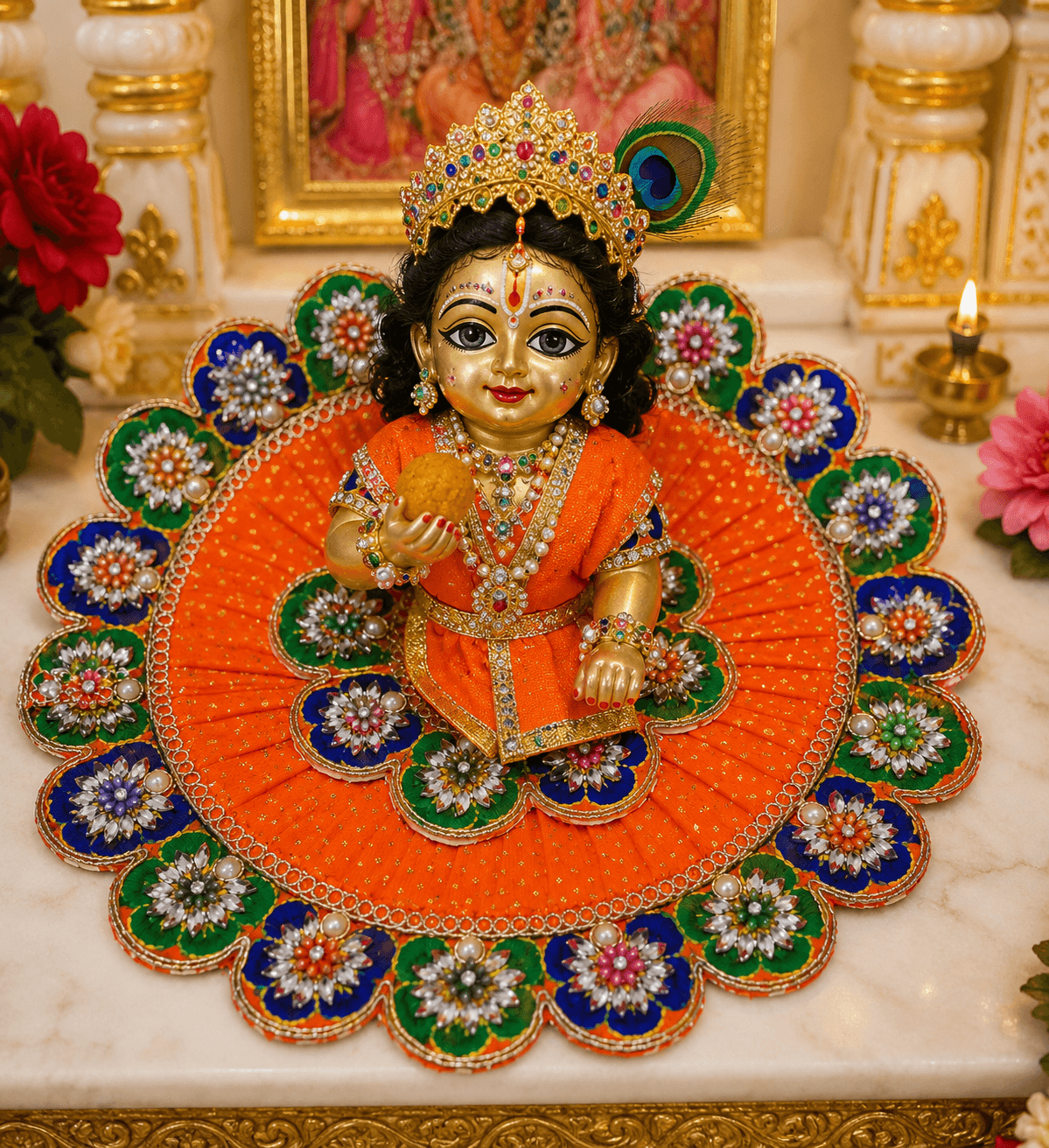
The Kalash is the energetic center of the worship. Traditionally the Kalash is a copper or brass pot filled with water, mango leaves and capped with a coconut wrapped in a decorative chunri. The Kalash is invoked as an abode of the Devi and is established on the first day as Ghatasthapana. The chunri dresses the Devi and signals auspiciousness; a vibrant red or vermilion colored chunri is most commonly used, but certain families may follow regional color customs. A kit should include a ready-made Kalash set, or the items that allow devotees to assemble one.
Akshat, kumkum and haldi
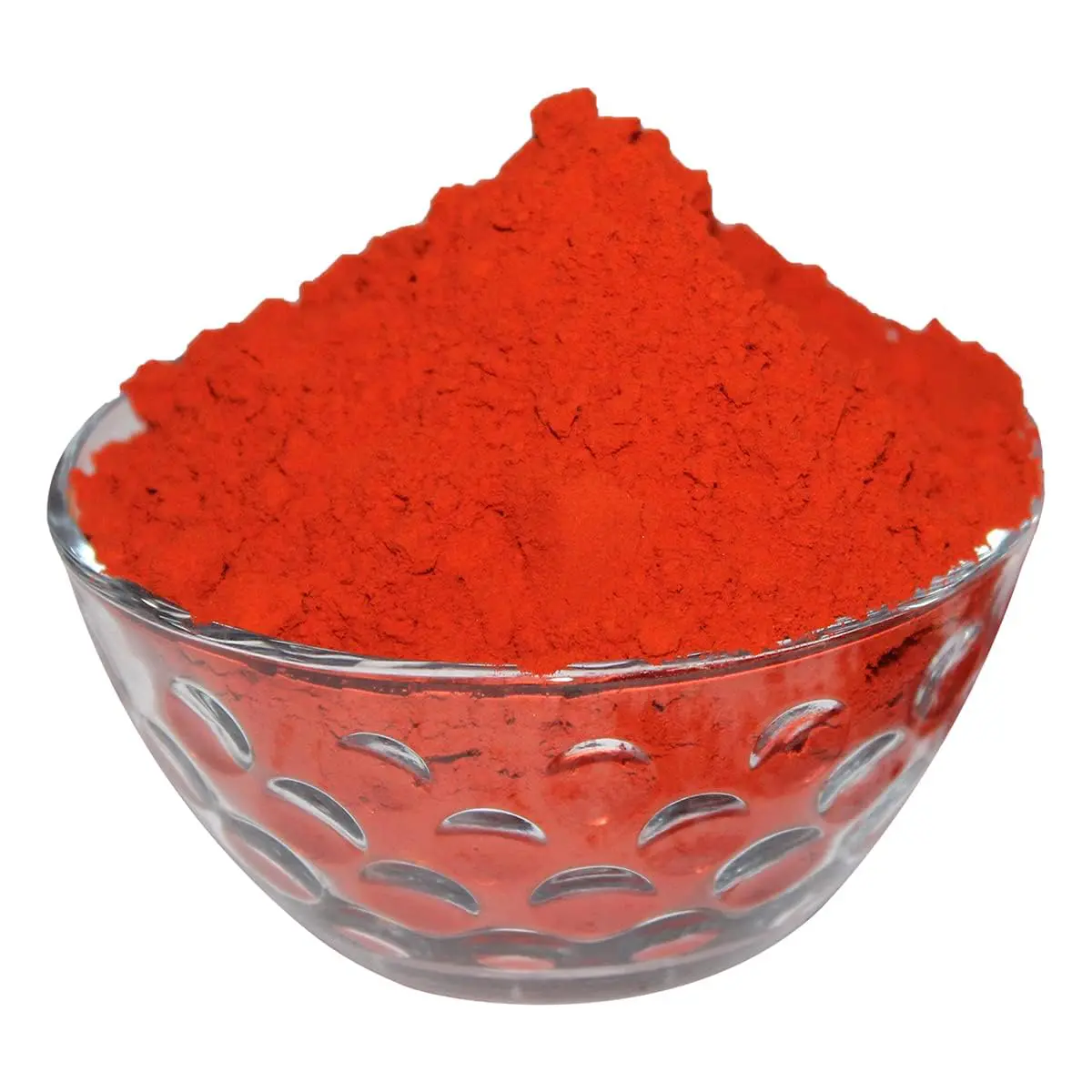
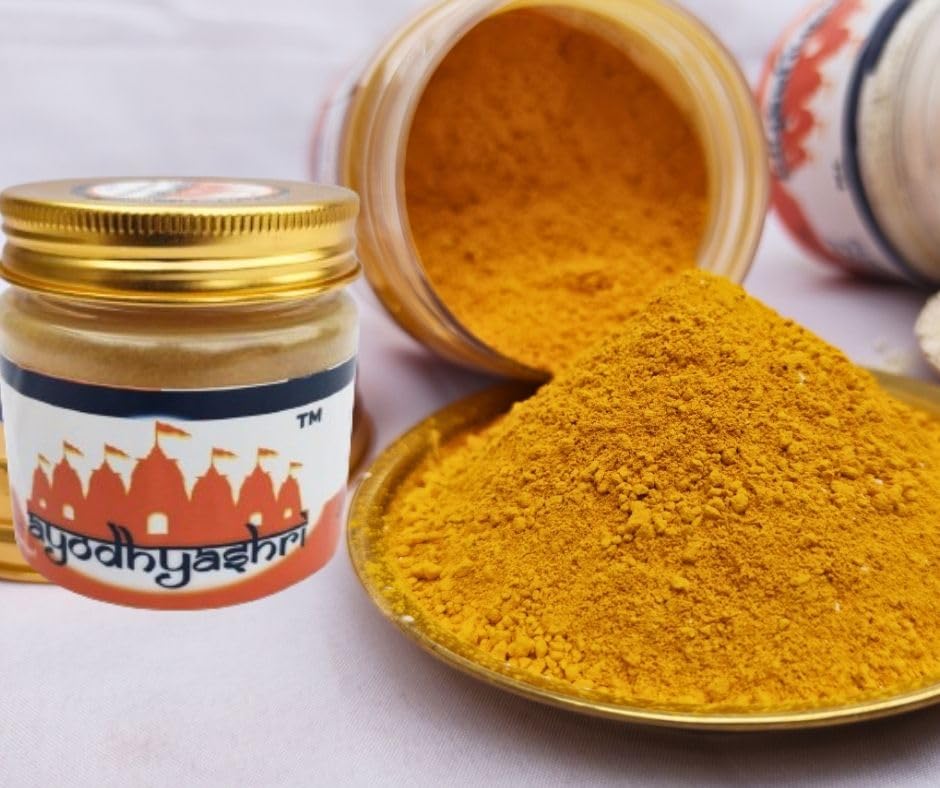
Akshat or raw rice is used for tilak and symbolic order. Kumkum is the traditional red powder applied to the forehead and to the deity. Haldi or turmeric is considered purifying and antiseptic. Together these three form the core of daily offerings and small, well sealed pouches in the kit preserve freshness.
Diyas, ghee and camphor
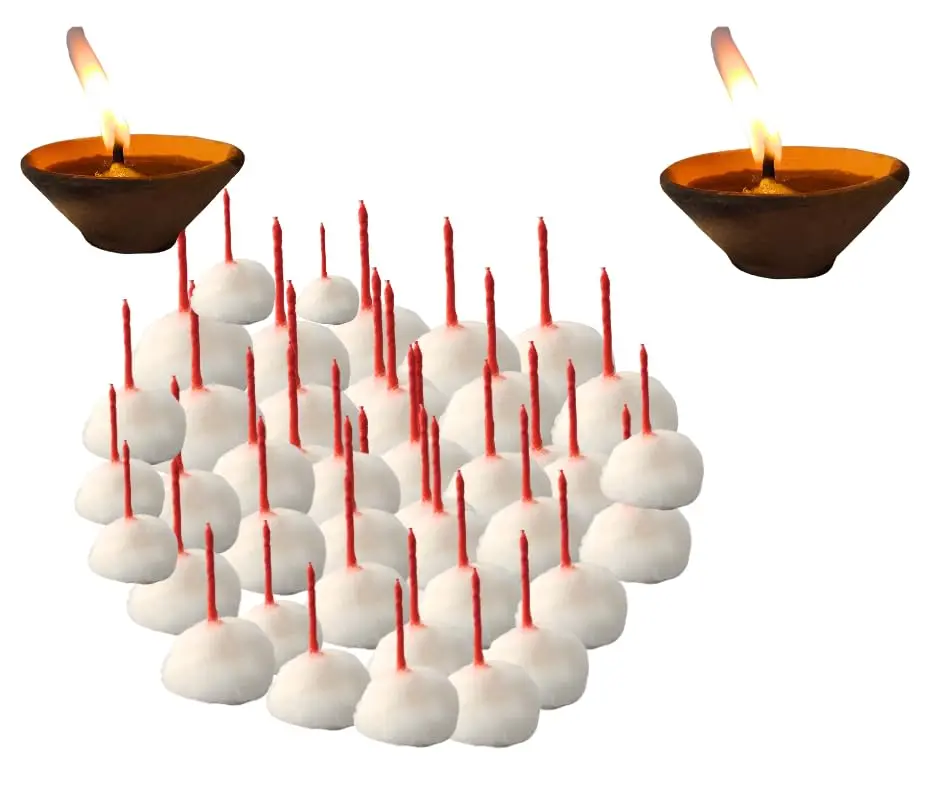
Lighting a lamp is the central action of daily pooja and Navratri requires an akhand or continuous lamp in many households. Cow ghee diyas are preferred for a sattvic flame and a clear sattvic atmosphere. Camphor is used in the aarti. A kit should provide small, reusable clay diyas or brass lamps and a sealed jar of pure cow ghee or cotton wick packs.
Incense, ashtagandha and sandal
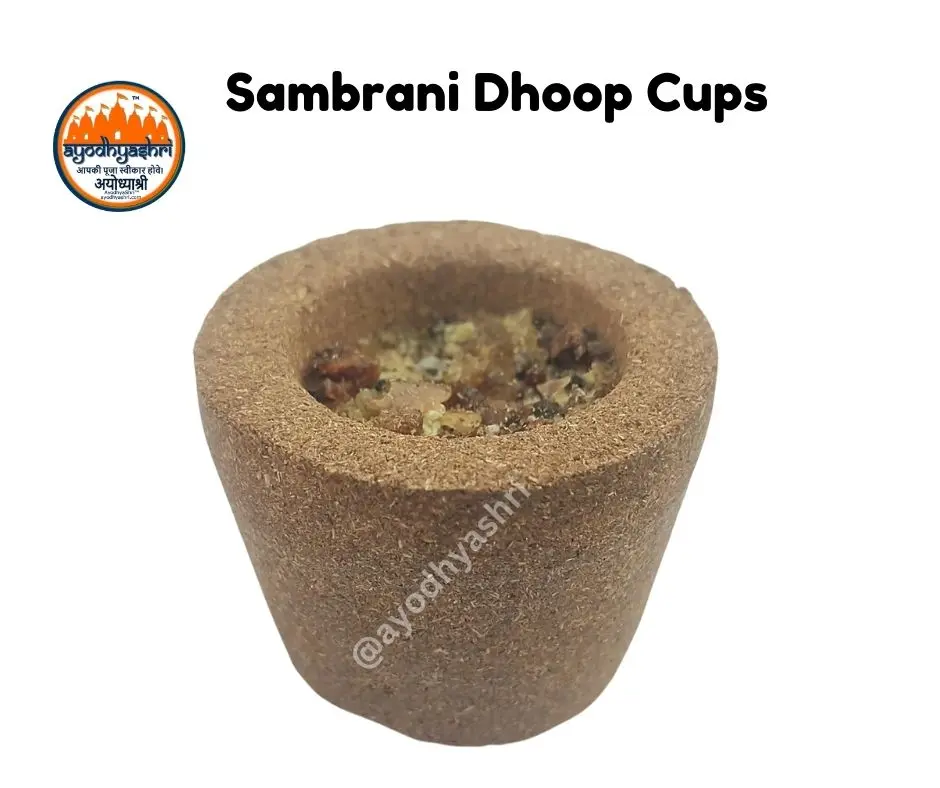
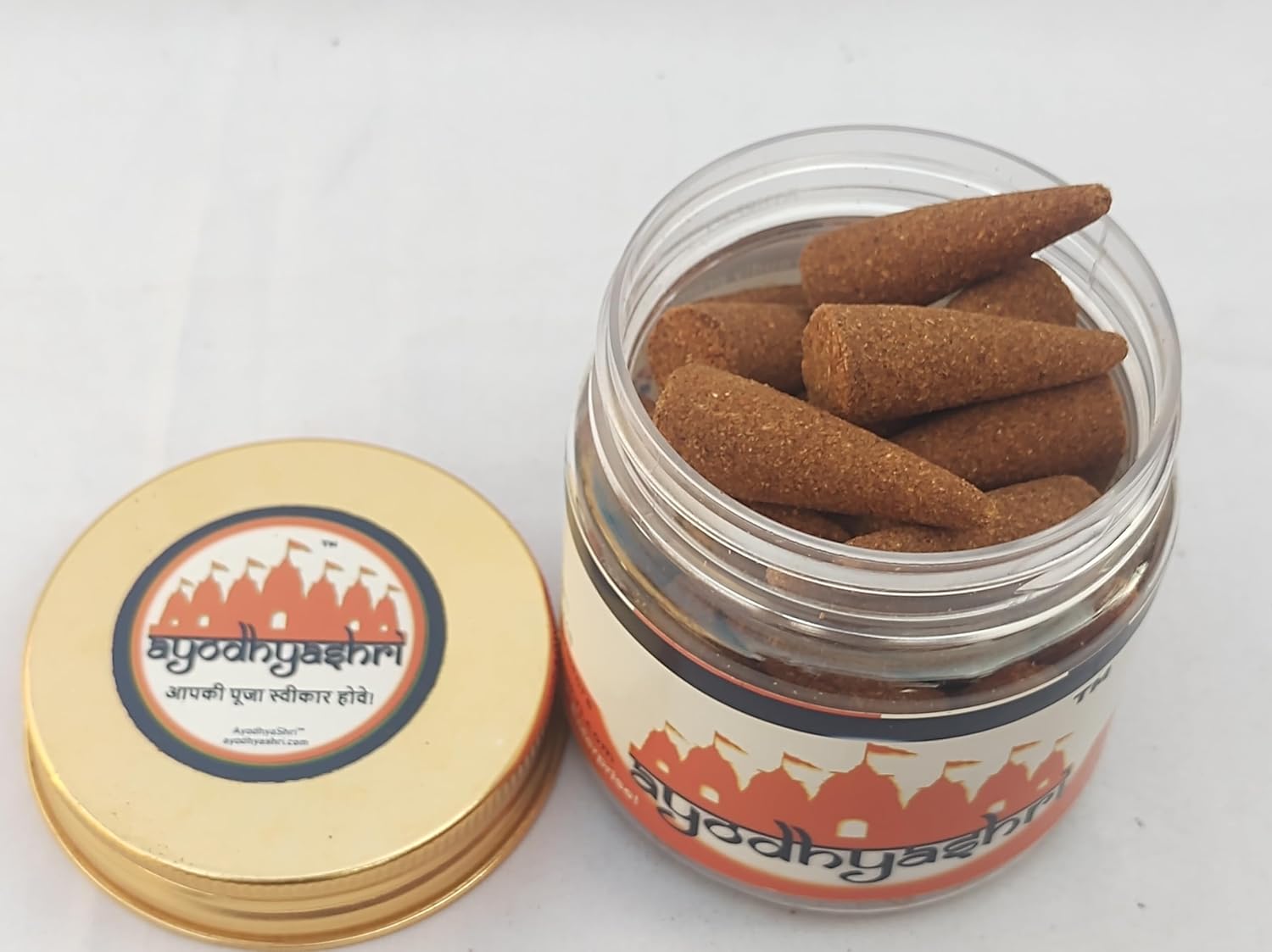
Fragrance sets the atmosphere. Natural incense or dhoop made of sandal, guggul and herbs is preferable to chemically perfumed sticks. Ashtagandha is a traditional tilak and incense blend often used during Navratri and complements sandalwood powder and chandan for abhishek or alankara.
Bilva, tulsi and fresh flowers
Bilva leaves are essential when offering to certain forms of the Mother even when the primary deity is Durga. Tulsi is especially associated with Vaishnava practice, and in mixed households including both tulsi and bilva in the kit helps cover daily requirements. Fresh flowers are important and can be purchased locally. For devotees who cannot obtain fresh garlands the kit may include dried marigold garlands or flower mixes that retain devotional value.
Fasting kit and prasadam
Many devotees follow vrat or fasts during Navratri. A fasting kit should include sabudana, singhara atta and other allowed ingredients, plus dry fruits and mishri. Sweets for prasad such as ladoos and dry fruit boxes must be included for distribution after the aarti.
Instruction booklet and mantras
A kit that includes a concise booklet outlining the daily puja procedure, the names of the nine forms, an explanation of their significance and suggested mantras adds enormous value. For households with children or those new to the rituals a step-by-step leaflet is indispensable.
Choosing authentic and eco-friendly products
Not all puja items are created equal. Here is how a devotee should evaluate quality and authenticity. Check for natural ingredients and avoid products that list chemical fragrances. For powders such as ashtagandha and sandal, prefer brands that disclose ingredient sourcing and manufacturing practices. For diyas and Kalash choose brass or earthenware made by reputed artisans. If you use a vendor such as Ayodhyashri keep an eye out for certifications, pundit endorsements, and consistent customer feedback.
Regional variations and local practicalities
Navratri customs differ by region. In Gujarat the festival emphasizes dance and community Garba while in Bengal extravagant Durga Puja pandals draw massive public crowds. This affects the kit contents you might prioritize. Bengalis may prefer Kumari Puja items and clay idols for immersion, while Gujaratis may value portable kits suited for small home shrines where music and offerings are performed. A commercial kit can offer optional regional modules so the buyer can customize contents for their tradition.
A sample three-tier kit approach
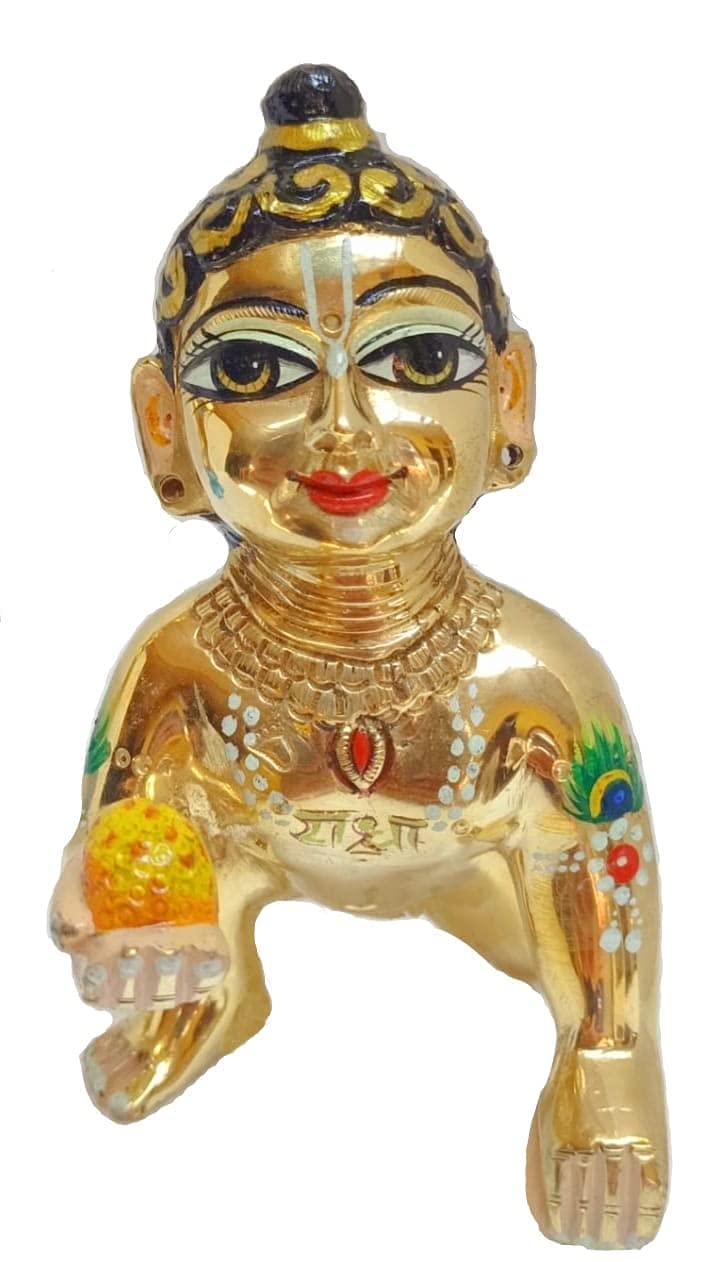
One smart model for vendors is to offer three tiers. The Starter kit contains essential items for families new to Navratri. The Standard kit includes daily needs plus a fasting kit and printed mantras. The Premium kit provides premium brass Kalash, silk chunri, handcrafted idols, and additional special offerings such as kesar and organic ghee. This tiered approach serves different budgets while maintaining ritual integrity.
News & Key Event Durga Pooja / Navratri Pooja 2025
Durga Puja in Kolkata and Durga Utsav committees across cities in 2025 have emphasized sustainability and thematic storytelling. For example, some pandals focused on narratives of India’s freedom struggle and local history while others curated eco-conscious installations. These public events show that devotees increasingly value ritual purity along with sustainability. A modern kit should reflect this by including eco-friendly items and guidance on responsible immersion or disposal of materials.
How to use your kit: a daily ritual rhythm
On day one set up the Kalash and read the included booklet. For each day perform an opening sankalp, light the diya, offer flowers, chant or sing the day’s mantra and perform a short aarti. Keep the fasting kit handy for preparing vrat meals and distribute prasad at the end of the ritual.
Care, storage and reuse
Store powders in airtight containers away from sunlight. Reuse nirodhath or cloth chunri after careful washing. Brass items require occasional polishing but are long lasting. Clay idols should be treated respectfully and immersed in eco-friendly water bodies or symbolic ponds when possible.
Conclusion
A Navratri pooja kit is more than a commercial product. It is a devotional aid that preserves ritual continuity, supports family practice and reduces the friction between modern life and ancient devotion. When chosen with care a kit enriches your spiritual life and ensures that the nine days remain focused on the heart of the festival, the worship of the Mother. Try Aydhyashri Pooja Kits and share with us your feedback.
Recommended products
Navratri Pooja Kit with Brass Diya-(40+Items)
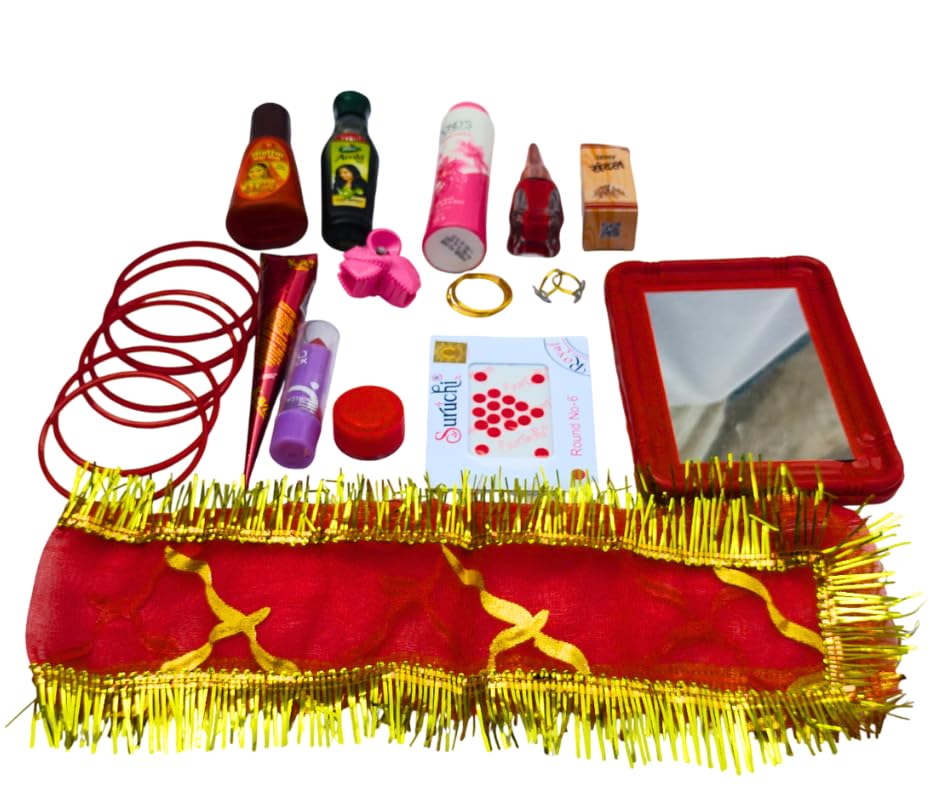
Original price was: ₹1,500.00.₹670.00Current price is: ₹670.00.Devi Navratri Solah Shringar Kit – 21-Item Suhag Box
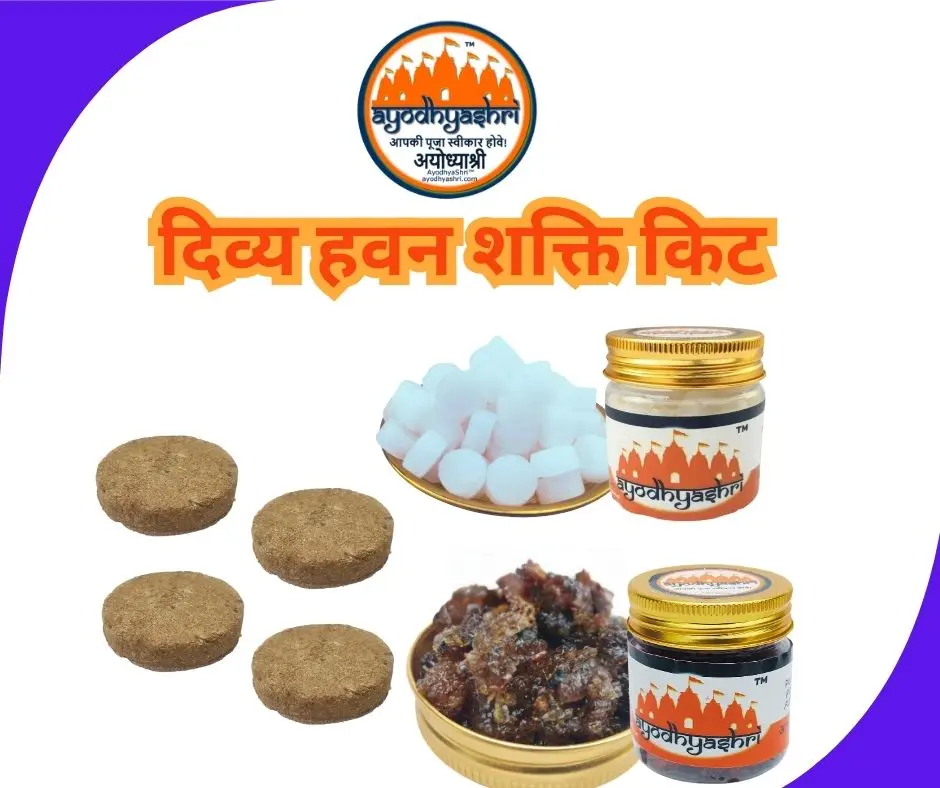
Original price was: ₹1,100.00.₹250.00Current price is: ₹250.00.Divya Hawan Shakti Kit – Guggul 50gram, Camphor 50gram & Cow Dung Cakes
Original price was: ₹450.00.₹240.00Current price is: ₹240.00.Camphor,Kapoor Round Tablets Jar for Pooja – 50g for Arti, Hawan
Original price was: ₹150.00.₹90.00Current price is: ₹90.00.








 Home
Home  Whishlist
  Compare
  Checkout
  Account