No products in the cart.



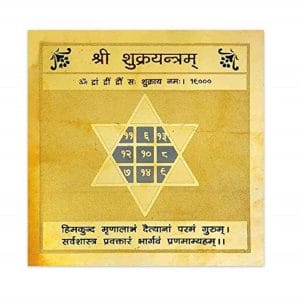
Gold Plated Shree Shukra Yantra-Respect, Good Health, Fortune,(8x8cm)
Original price was: ₹500.00.₹150.00Current price is: ₹150.00.

 Vyapar Vridhi Yantra
12
Vyapar Vridhi Yantra
12
 Tika, Tilkam & Tilaks
16
Tika, Tilkam & Tilaks
16
 Sea Shells Cowrie Shells
13
Sea Shells Cowrie Shells
13
 Sawan-Shravan Puja
44
Sawan-Shravan Puja
44
 Navratri Pooja
47
Mahashivratri
40
Navratri Pooja
47
Mahashivratri
40
 Lucknow Pooja Items Deals
30
Lucknow Pooja Items Deals
30
 Laddu Gopal Dress
18
Laddu Gopal Dress
18
 Krishna Janmashtami
34
Krishna Janmashtami
34
 Jadi Booti Desi Herbs
9
Jadi Booti Desi Herbs
9
 Eco Friendly Organic Pooja Items
29
Eco Friendly Organic Pooja Items
29
 Durga Pooja
21
Durga Pooja
21
 Cow Dung Products
11
Cow Dung Products
11
 Cow Dung Hawan Cups
2
Cow Dung Hawan Cups
2
 Cow Dung Dhoop Sticks and Cone
3
Cow Dung Dhoop Sticks and Cone
3
 Cow Dung Cakes
2
Cow Dung Cakes
2
 Cotton Wicks-Batti
12
Cotton Wicks-Batti
12
 Combo Pooja Items
3
Combo Pooja Items
3
 Ashtagandha
6
Vyapar Vridhi Yantra
12
Tika, Tilkam & Tilaks
16
Sea Shells Cowrie Shells
13
Sawan-Shravan Puja
44
Navratri Pooja
47
Mahashivratri
40
Lucknow Pooja Items Deals
30
Laddu Gopal Dress
18
Krishna Janmashtami
34
Jadi Booti Desi Herbs
9
Eco Friendly Organic Pooja Items
29
Durga Pooja
21
Cow Dung Products
11
Cow Dung Hawan Cups
2
Cow Dung Dhoop Sticks and Cone
3
Cow Dung Cakes
2
Cotton Wicks-Batti
12
Combo Pooja Items
3
Ashtagandha
6
Ashtagandha
6
Vyapar Vridhi Yantra
12
Tika, Tilkam & Tilaks
16
Sea Shells Cowrie Shells
13
Sawan-Shravan Puja
44
Navratri Pooja
47
Mahashivratri
40
Lucknow Pooja Items Deals
30
Laddu Gopal Dress
18
Krishna Janmashtami
34
Jadi Booti Desi Herbs
9
Eco Friendly Organic Pooja Items
29
Durga Pooja
21
Cow Dung Products
11
Cow Dung Hawan Cups
2
Cow Dung Dhoop Sticks and Cone
3
Cow Dung Cakes
2
Cotton Wicks-Batti
12
Combo Pooja Items
3
Ashtagandha
6
9140920348Mon-Sat 10-7 PM
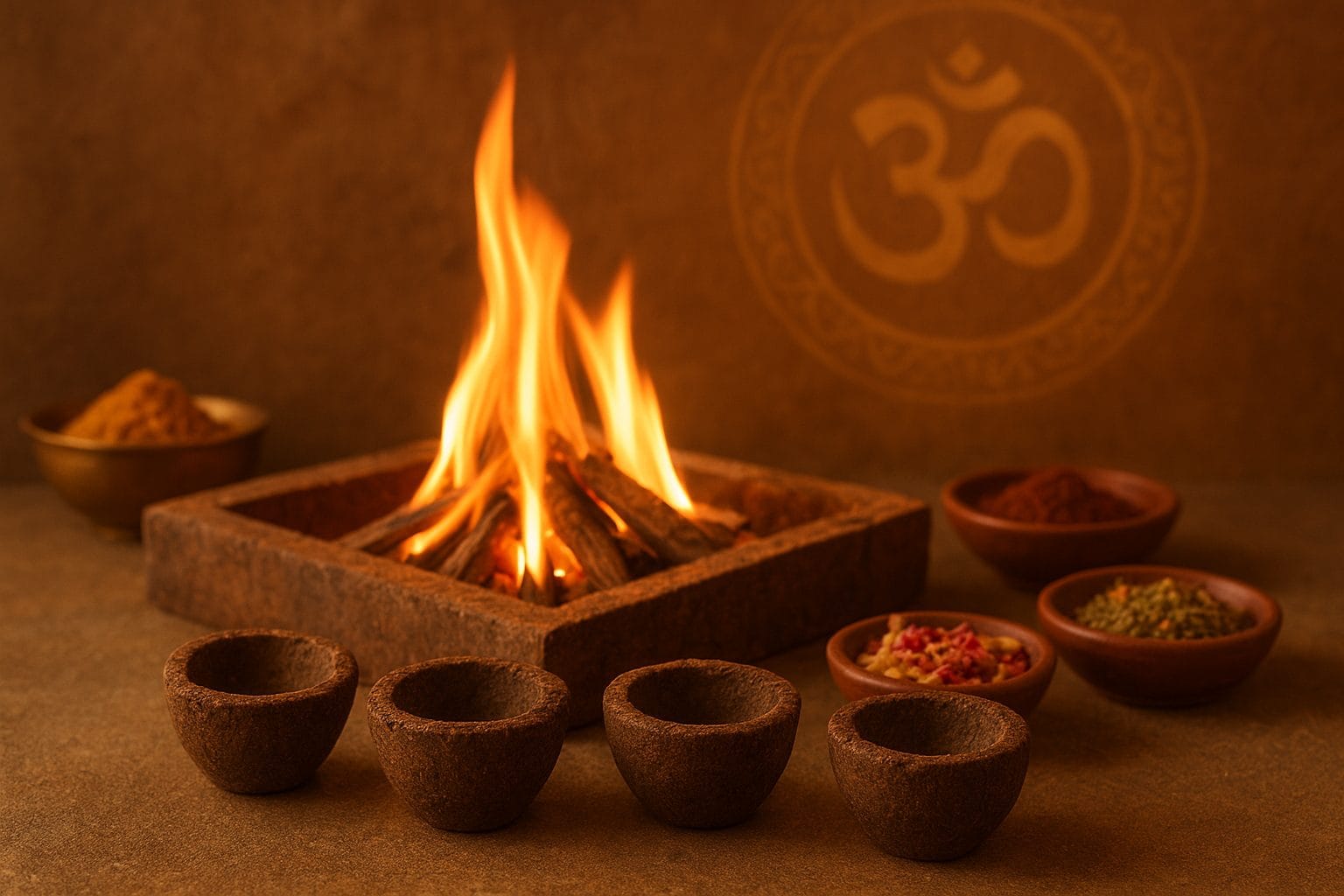
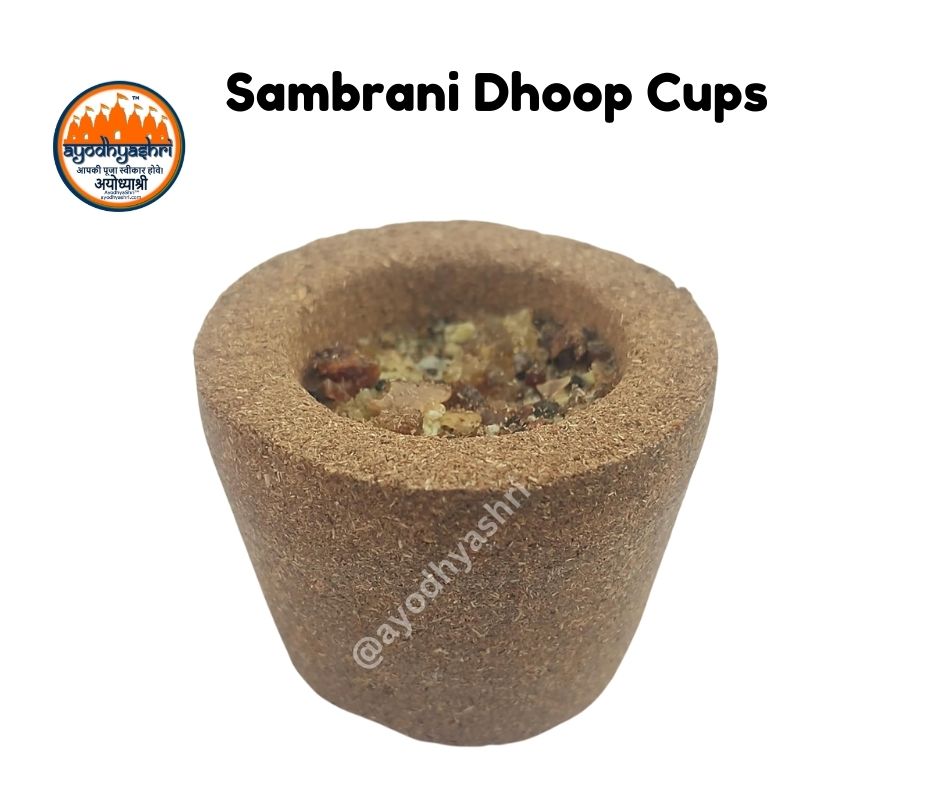
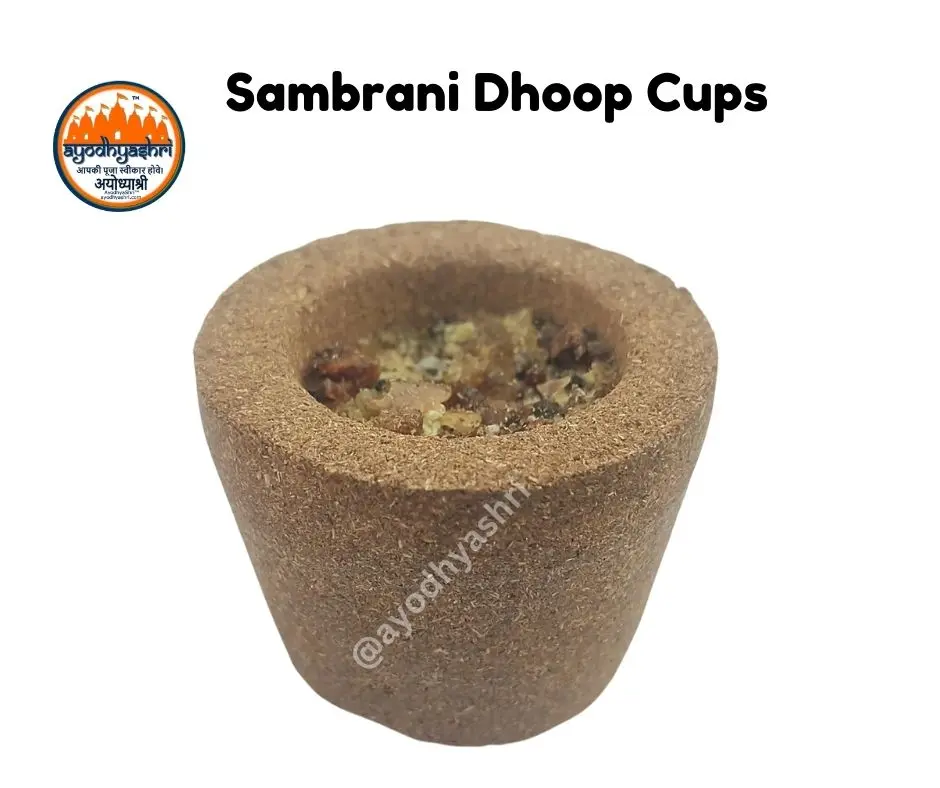
Cow dung havan cups are returning to the center of Hindu ritual practice with renewed interest. These small biodegradable cups, molded from desi cow dung and blended with aromatic resins or herbs, are used in homa and havan ceremonies as a convenient, eco-friendly fuel and fragrant medium for offerings. They combine ancient practice with modern sustainability and are now produced by women’s self-help groups, small artisans, and D2C makers across India. In sacred households they are prized for convenience and sattvic quality. In community circles they are prized for low smoke, low ash, and convenient dosing for ritual fires.
Cow dung has held a special place in South Asian domestic and ritual life for millennia. Traditional village homes used cow dung for floor plaster, insect control, and fuel. In ritual practice, cow-derived products were regarded as pure and life-affirming. The use of cow dung as a fuel in yajna and homa rites has textual and living continuities in rural practice, and today the use is being adapted into neatly formed havan cups that are simpler to use than loose samidha or powdered sambrani. Contemporary projects, including municipal initiatives and women artisan groups, have popularized cow-dung diyas, idols, and havan cups for eco-conscious festival observance. Examples include women self-help groups producing havan cups for devotees around the Sangam city and municipal schemes promoting cow-dung diyas for Diwali. The Times of India+1
A cow-dung havan cup is normally a small, bowl-shaped patty made by mixing well-sanitized, properly dried desi cow dung with binding agents and aromatic ingredients. Typical binding agents include guar gum, jaggery, or natural starches. Aromatic fillers can be powdered sambrani, powdered guggul, dried herbs, or resin fragments. The mixture is moulded into cups and sun-dried until hard. Some manufacturers press the cups in mechanical moulds for uniformity. High-quality products will specify the breed of cow used, the drying process, and the absence of chemical additives. Several artisan groups now produce cups painted with water-based natural colors and advertise the biodegradable, low-pollution attributes of their items.
In the past three years there has been a surge in small-scale production and social-media interest in cow-dung ritual crafts. Reports show women artisan groups scaling production of cow-dung diyas and havan cups ahead of festivals such as Navratri and Diwali. Municipal distribution projects have also amplified awareness by supplying biodegradable diyas and idols to citizens in festival seasons. Online sellers and D2C brands promote havan cups as “panchgavya” or “sambrani cups” and pair them with ritual how-to content to convert buyers.
Begin by preparing a clean space for puja. Arrange the havan kund or plate, place one or more cow-dung havan cups as required by the ritual, and keep a small bowl of ghee, a spoon, and an aarti camphor piece if you use it. Perform sankalp and invoke Lord Ganesha and the deity of the homa. Light the havan cup rim and allow it to burn; offer ghee using a spoon into the smouldering cup at prescribed intervals as part of the homa procedure. Chant mantras or recite the selected katha, and conclude with aarti and distribution of prasad. Always supervise the fire and keep water nearby. Many contemporary ritual manuals simplify this practice for household use without losing symbolic integrity. Refresh+1
A number of peer-reviewed and open-access studies indicate that extracts and microbes isolated from cow dung may show antimicrobial or antioxidant activity in laboratory settings. These findings are specific to laboratory extracts and microbial isolates; they do not mean that raw cow dung is free of pathogens or always antiseptic. Good manufacturing practice and proper drying are essential. Several studies reported antimicrobial activity in methanolic or other extracts and isolates; others reported strains of microbes from dung with useful bioactive properties. Use these studies as scientific context supporting traditional claims, but do not treat them as blanket proof of safety without qualified processing. journalanimalresearch.com+2PMC+2
Large institutional buyers and government bodies sometimes procure festival supplies and eco-friendly ritual items for public events. Vendors that can supply at scale, provide invoices and tax-compliant paperwork, and register on institutional e-marketplaces can win such tenders. Municipal pilot programs for cow-dung diyas indicate potential public procurement channels.
Q1- Are cow-dung havan cups safe to use indoors?
Yes if used with ventilation and by sourcing well-processed, fully dried products. People with respiratory problems should limit exposure.
Q2- Do havan cups produce less smoke than agarbatti?
Many users report more resinous, less acrid smoke when high-quality sambrani and guggul are used. Quantitative particulate measures vary by product.
Q3 Can I make havan cups at home?
Yes, using hygienic procedures and careful drying. For sale, small producers should follow local regulations.
Q4- Where can I buy reliable havan cups?
Buy from verified artisan groups, established D2C brands such as AyodhyaShri with clear ingredient labeling, or trusted marketplaces with seller verification.
Cow-dung havan cups offer a bridge between traditional homa practice and contemporary needs for convenience and ecological responsibility. When made and used conscientiously they can enrich ritual life, support rural artisans, and reduce festival pollution. At the same time, the community must practice quality control and health-aware usage. For pandits and ritual scholars, integrating havan cups into homa protocols is straightforward. For families, using these cups with reverence and pragmatic safety will ensure that ancient fire rites continue to be meaningful and accessible.
For those who want ready-to-use, pandit-approved kits and ethically sourced cow-dung havan cups, Ayodhyashri offers curated samagri bundles and certified havan cups that include usage instructions, vendor provenance notes, and disposal guidance. Visit Ayodhyashri product pages to compare options and download a free PDF guide on home havan practice.
Laboratory and review studies on antimicrobial potential of cow-dung isolates and extracts. PMC+2journalanimalresearch.com+2
Journalistic and municipal reports on artisan havan-cup manufacture and civic eco-initiatives. The Times of India+2The Times of India+2
D2C product pages and how-to vendor guides for sambrani and cow-dung havan cups. Omega Incense+1
9 in stock




Please wait while redirecting to your order...
 Home
Home  Whishlist
  Compare
  Checkout
  Account