
No products in the cart.

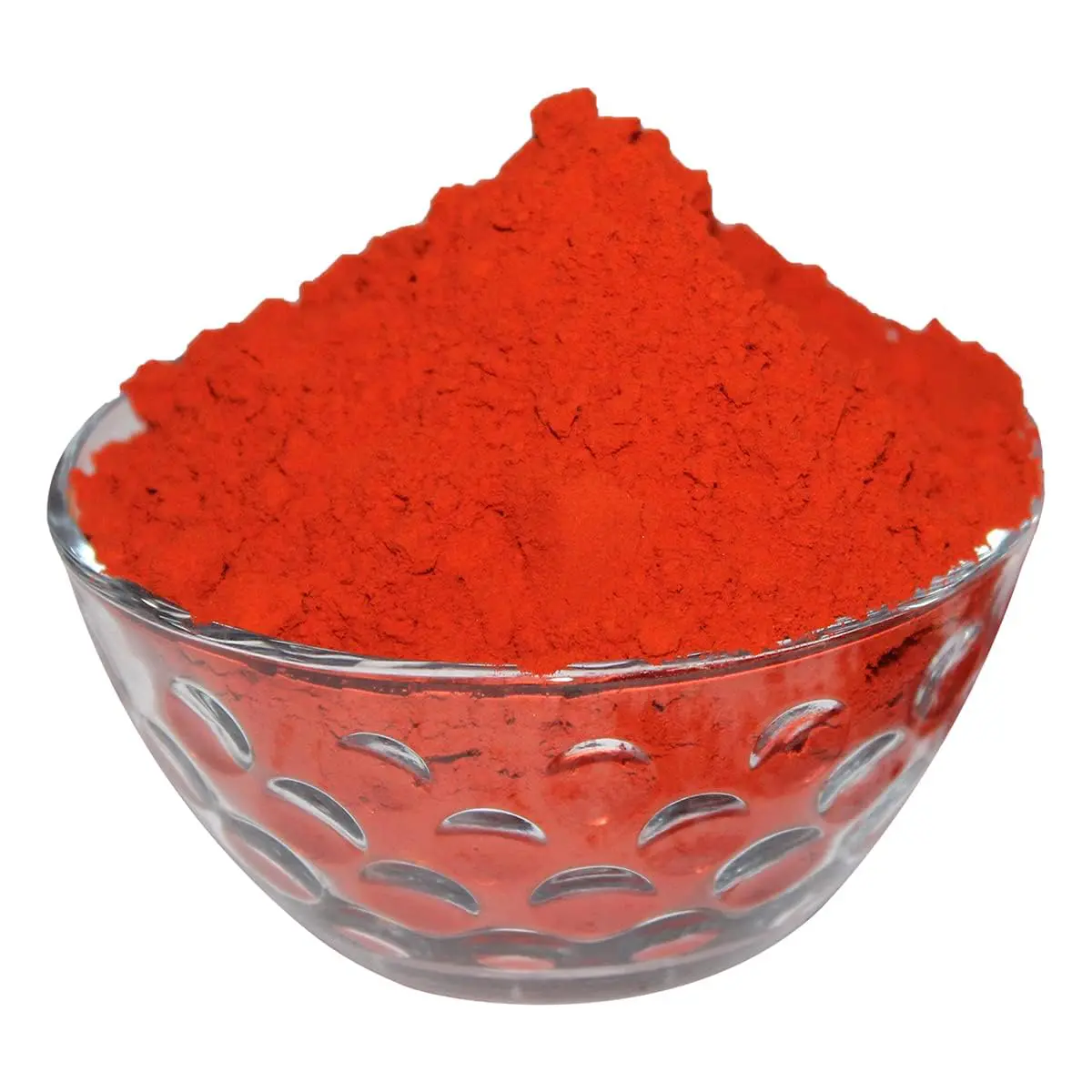


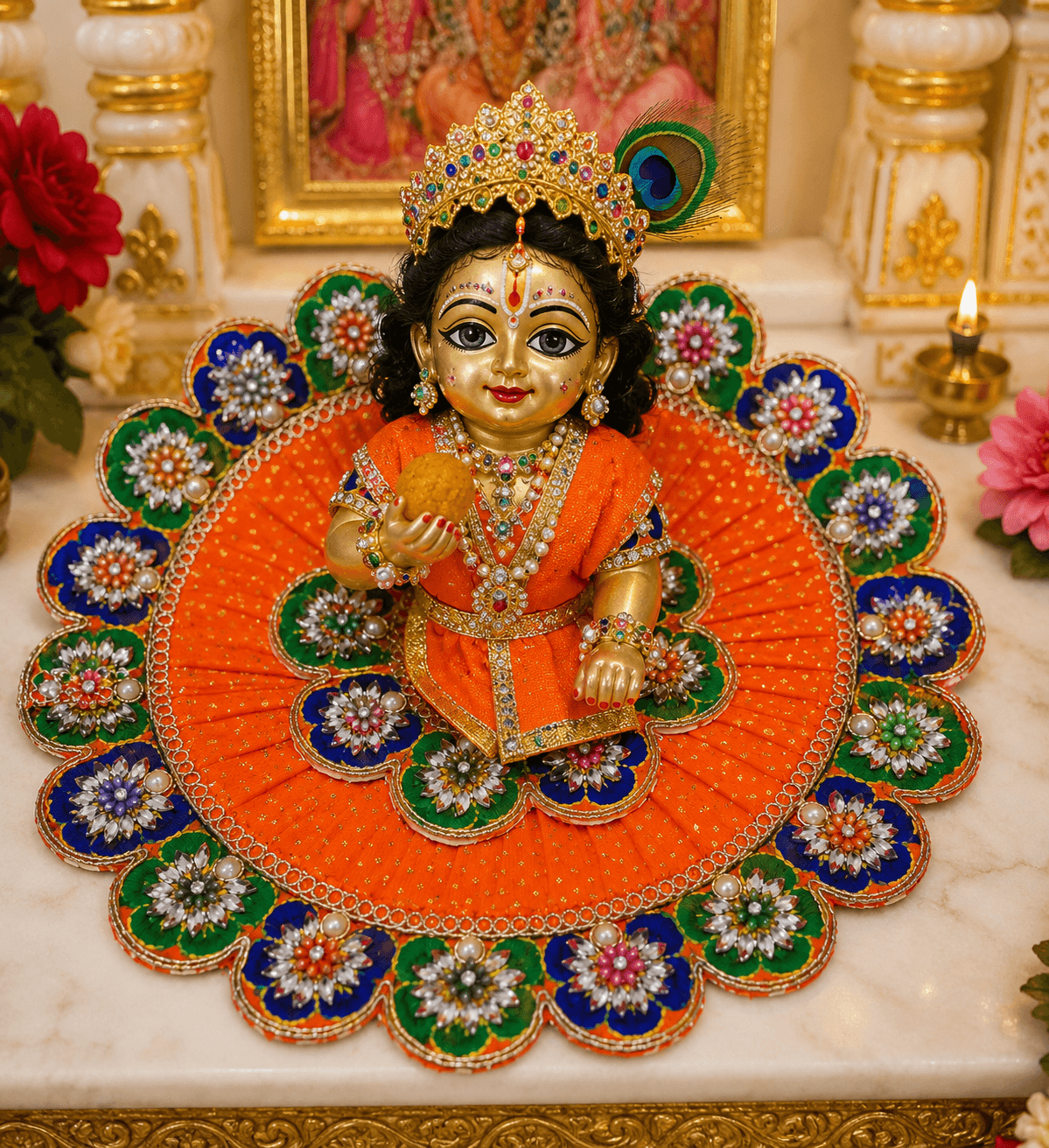
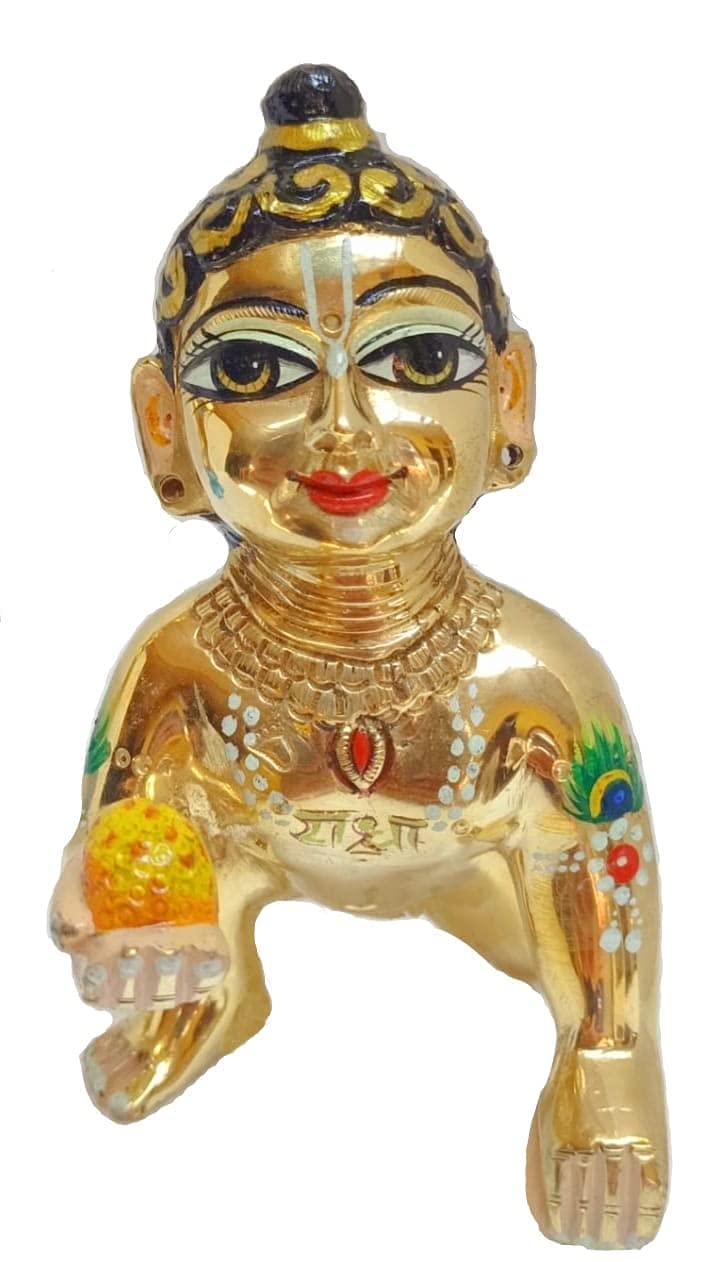



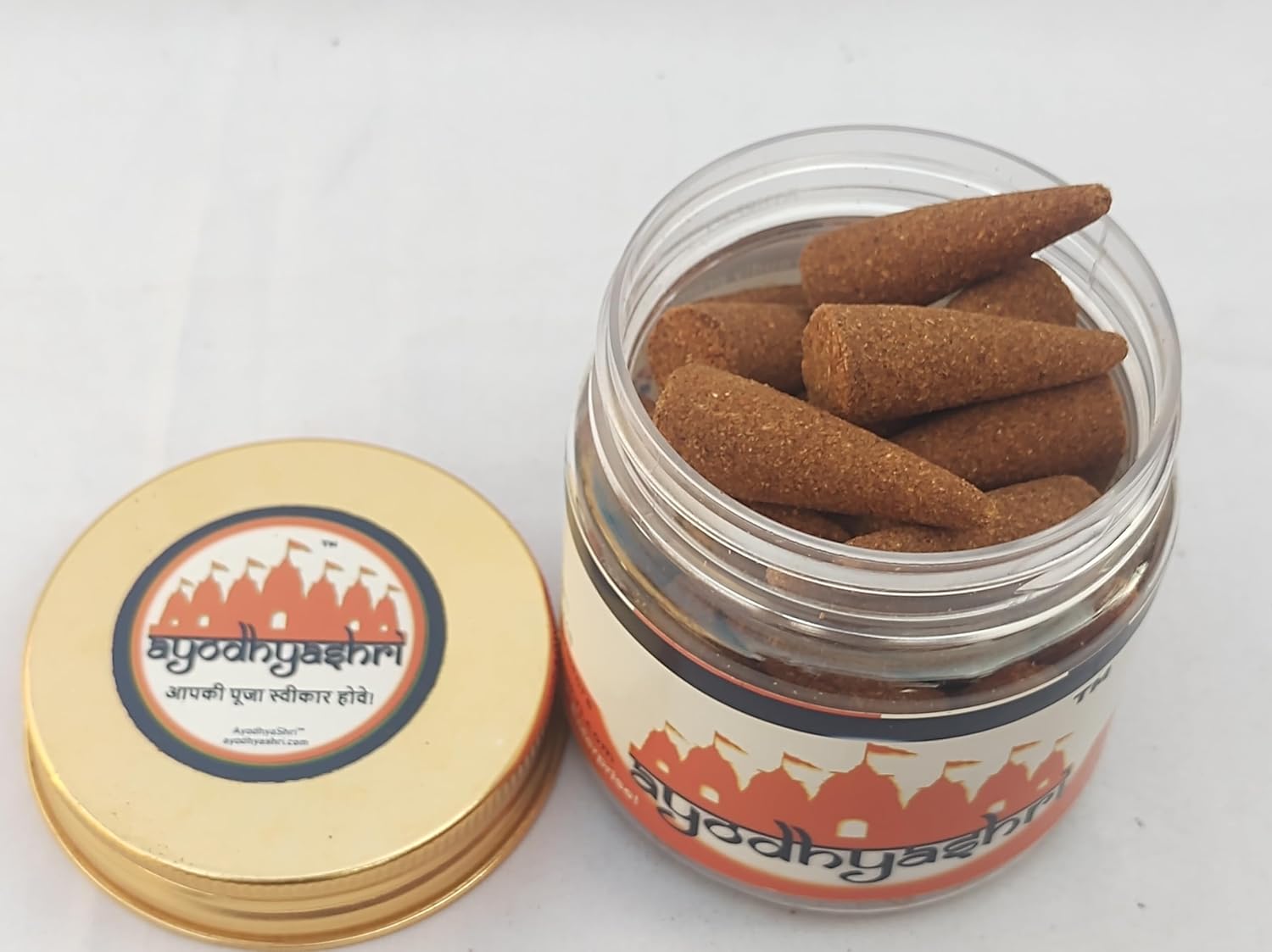



This blog post is your go-to guide for all major Hindu festivals, organized by lunar months and cross-referenced with the English calendar. It blends traditional wisdom with modern queries and regional insights, making it ideal for practitioners in India and the global Hindu diaspora. The guide also includes product mentions from Ayodhyashri.com to support your pooja preparations.
Below is details on all major Hindu festivals, organized by the traditional lunar months of the Hindu calendar and cross-referenced with English months. Rooted in ancient tradition and reimagined for the modern practitioner
Whether you’re an Indian native or part of the global Hindu diaspora, this living calendar offers everything you need to celebrate with awareness, devotion, and grace.
🕉️ Chaitra (March – April)
Chaitra Navratri
Chaitra Navratri marks the beginning of the Hindu New Year in many regions (especially North India). It is dedicated to the nine forms of Goddess Durga. Celebrated with nine days of fasting, katha, and poojas, it culminates in Ram Navami.
- Rituals: Ghatasthapana, Devi path, daily aarti, fasting
- Regional Variations: Elaborate in UP, Bihar, MP
- Global Note: Celebrated in Fiji, Mauritius, and Trinidad
Ayodhyashri Pick: Herbal kumkum & haldi, Navratri Kalash Kit, Ghee Batti, Red Chunri
Ram Navami
Commemorates the birth of Lord Ram. Celebrated with recitation of the Ramayana, special poojas, bhajans, and community feasts.
- Also read: “How to celebrate Ram Navami at home?”
- Related Pooja Products : Brass Ram Darbar Idols, Ramayana Chanting Kit
🌸 Vaishakha (April – May)
Akshaya Tritiya
Known as one of the most auspicious days to start new ventures or make purchases like gold. It is also associated with annadan and Vishnu-Lakshmi pooja.
- Regional Variations: Celebrated in Odisha, Maharashtra, Karnataka
- Related Pooja Products : Gomti Chakra, Lakshmi Coins, Puja Thali
Buddha Purnima
Marks the birth, enlightenment, and Nirvana of Lord Buddha. Revered by Buddhists and Hindus (as an incarnation of Vishnu).
Ayodhyashri Products: Cow Ghee Diyas, Herbal Dhoop, Havan Cups
🔥 Jyeshtha (May – June)
Ganga Dussehra
Celebrates the descent of River Ganga to Earth. Devotees bathe in the Ganga and offer lamps.
- Observed in: Haridwar, Varanasi, Rishikesh
- Ayodhyashri Offerings: Ganga Jal Bottles, Cow Dung Diyas
Nirjala Ekadashi
Considered the strictest Ekadashi with no food or water intake. Equivalent to observing all 24 Ekadashis.
- Health Tip: People with health issues may fast with fruits or sabudana
- Related Pooja Products : Satvik Fasting Kits, Dry Fruits, Tulsi Water
🛕 Ashadha (June – July)
Jagannath Rath Yatra
One of the largest chariot festivals in the world. Celebrated in Puri and globally in ISKCON temples.
- Rituals: Rath pulling, bhajans, annadan
- Global Observance: Huge processions in New York, London
Guru Purnima
A day of honoring gurus and spiritual masters. Satsangs, paduka poojas, and spiritual discourses are common.
Related Pooja Products : Guru Pooja Kits, Cow Dung Incense, Tulsi Mala
🌧️ Shravana (July – August)
Sawan Somvar
Shravan is considered the most sacred month for Lord Shiva. Every Monday is observed as Sawan Somvar with special fasts and Rudrabhishek.
- Rituals: Offering Belpatra, milk, honey, and Gangajal on Shivling
- Trending: “How to do Rudrabhishek at home?”
Ayodhyashri Essentials: Rudrabhishek Kits, Cow Dung Cakes (गोबर उपले), Brass Jaladhari, Bilva Leaves
Raksha Bandhan
Celebrates the sacred bond between siblings.
- Customs: Tying rakhi, gifting, aarti
- Products: Organic Rakhi Sets, Puja Samagri Kits with Roli-Chawal
🎨 Bhadrapada (August – September)
Krishna Janmashtami
Celebrates Lord Krishna’s birth. Involves fasting, midnight pooja, and Dahi Handi.
- Popular in: Mathura, Dwarka, and ISKCON temples worldwide
- School Competitions: Fancy Dress, Pot Painting, Bhajan Recitation
Ayodhyashri Products: Krishna Idol Kits, Bal Gopal Dress Sets, Makhan Matki Props
Ganesh Chaturthi
Commemorates Lord Ganesha’s arrival. Observed by installing idols and immersing them in water.
- Eco-Note: Clay idols encouraged
- Related Pooja Products : Turmeric-Kumkum Sets, Ganesh Sthapana Kits
🔱 Ashwin (September – October)
Sharad Navratri
The most prominent Navratri of the year, filled with Garba, Dandiya, and Devi worship. Culminates in Dussehra.
- Celebrated in: Gujarat, Bengal, Maharashtra, Delhi
Related Pooja Products : Nine-Day Navratri Set, Durga Poojan Kit
Dussehra / Vijayadashami
Marks Ram’s victory over Ravana. Celebrated with Ram Leela and burning of Ravana effigies.
Product Suggestion: Shami Leaves, Ramlila Diyas, Puja Samagri Box
Pitra Paksha
A 15-day period for ancestral offerings.
- Rituals: Tarpan, Shraddh, donation of food and clothes
- Related Pooja Products : Tarpan Samagri, Kusha Grass
💥 Kartika (October – November)
Karwa Chauth
A fast observed by married women for the well-being of their husbands.
Diwali
The festival of lights celebrating the return of Lord Ram. Includes Lakshmi Puja, fireworks, sweets, and home decoration.
Ayodhyashri Favorites: Diwali Pooja Kit, Cow Dung Diyas, Dhanteras Coins
Bhai Dooj
Honors sibling love post-Diwali.
📖 Margashirsha (November – December)
Gita Jayanti
Marks the day Lord Krishna narrated the Bhagavad Gita to Arjuna.
- Customs: Gita Recitation, Bhajans, Discourse
- Product Suggestion: Gita Texts, Tulsi Mala, Dhoop
Dattatreya Jayanti
Celebrates the birth of Lord Dattatreya, especially in Maharashtra.
❄️ Pausha (December – January)
Makar Sankranti
Marks Surya’s northward journey. Known by different names across India (Pongal, Lohri, Uttarayan).
- Traditions: Kite flying, sesame sweets
- Products: Til laddoos, Cow Ghee Havan Cups
Paush Purnima
Important for holy dips in rivers and the beginning of Magh Mela.
🌼 Magha (January – February)
Vasant Panchami
Honors Goddess Saraswati. Schools celebrate with yellow-themed dress and Saraswati Vandana.
Related Pooja Products : Saraswati Idols, Pens & Books, Chandan
Magha Purnima
Culmination of the holy dip period begun in Pausha.
🌈 Phalguna (February – March)
Maha Shivratri
A major night-long festival for Lord Shiva, celebrated with chanting, fasting, and Rudrabhishek.
Ayodhyashri Essentials: Shivling Kits, Belpatra, Panchamrit Combo
Holi
The festival of colors, symbolizing love, forgiveness, and devotion.
- Eco Tip: Use herbal gulal and dry Holi
- Products: Herbal Color Sets, Cow Dung Holika Dahan Kit
🛒 Shop Authentic Pooja Items at Ayodhyashri.com
Find everything from:
- Eco-friendly Pooja Kits
- Cow Dung Diyas & Havan Samagri
- Desi Cow Panchgavya Products
- Personalized Puja Booking
1. What is the significance of Sawan Somvar fasting?
Sawan Somvar Vrat is considered one of the most sacred fasts dedicated to Lord Shiva, especially during the holy month of Shravan (July–August), which is said to be dear to Shiva. According to Puranic texts, observing fasts on Mondays of this month (Somvar) brings blessings in the form of health, peace, marital harmony, and spiritual upliftment. Unmarried women observe it for an ideal life partner, while others do it for inner purification and spiritual growth.
2. How do you perform Rudrabhishek at home?
To perform Rudrabhishek at home:
- Set up a Shivling on a copper or brass plate.
- Offer Panchamrit (milk, curd, honey, ghee, sugar) followed by Jalabhishek (pure water).
- Chant the Rudra Namakam and Chamakam, or at least “Om Namah Shivaya” 108 times.
- Offer Bilva leaves, Datura, bhasma, fruits, and incense.
- Conclude with an aarti and prayer for blessings.
You can buy a complete Rudrabhishek Puja Kit from Ayodhyashri.com, which includes all essential samagri.
3. Which items are needed for Sawan puja?
Common items used in Sawan Puja include:
- Shivling (marble/clay/stone)
- Cow dung cakes and incense
- Bilva leaves, Datura flowers, white flowers
- Panchamrit ingredients
- Ganga Jal or clean water
- Ashtagandha, bhasma, kumkum, and sandalwood paste
- Camphor, ghee diya, dhoop, and sweets
You can get ready-made Sawan kits or individual products at Ayodhyashri.com’s Sawan Collection.
4. Why is cow dung used in Rudrabhishek rituals?
Cow dung (Gobar) is considered sacred in Hindu rituals due to its purifying and antiseptic properties. It is believed to absorb negative energies and is used as a natural disinfectant. In Rudrabhishek, cow dung cakes are burned during havan or used to prepare the ritual space, symbolizing purity and connection to nature and Dharma.
5. Can women observe Sawan Somvar vrat?
Absolutely. Women, including married and unmarried, commonly observe Sawan Somvar Vrat. It’s considered highly auspicious and spiritually rewarding. Many women fast for the welfare of their families or to seek Lord Shiva’s blessings for marital bliss or righteous life partners.
6. What mantras to chant during Rudrabhishek?
The most common and powerful mantras include:
- “Om Namah Shivaya” (108 times or more)
- Rudra Namakam and Chamakam from Yajurveda
- Maha Mrityunjaya Mantra: Om Tryambakam Yajamahe…
- For simple daily puja, even reciting “Shiv Panchakshari Stotra” and “Lingashtakam” is effective.
7. What is the best time to perform Jalabhishek?
The ideal time is early morning during Brahma Muhurat (4:00–6:00 AM). On Mondays, particularly during Pradosh Kaal (just after sunset), or during Shravan Somvar, it becomes highly auspicious. Shiv temples witness long queues for Jalabhishek during this month.
8. Are online Rudrabhishek services effective?
Yes. Online Rudrabhisheks offered by verified priests and platforms allow you to perform rituals remotely with full Vedic sanctity. Trusted services (like those offered by Ayodhyashri) ensure the Sankalp is taken in your name, and rituals are livestreamed or documented. It’s an excellent option for NRIs or those unable to visit temples physically.
9. How to arrange a simple Shivling puja at home?
Here’s a minimal setup:
- Place a clean Shivling on a copper thali.
- Pour water or Panchamrit while chanting “Om Namah Shivaya”.
- Offer Bilva leaves, incense, and light a diya.
- End with Shiva Aarti and distribute prasad.
This can be done daily in Shravan. A mini-puja kit from Ayodhyashri.com makes it easy for beginners.
10. What is the scientific benefit of using Bilva leaves?
Bilva (Bael) leaves are rich in antioxidants and anti-inflammatory compounds. Spiritually, they are known to cool the inner body, reduce Pitta (heat), and calm the mind — aligning with Shiva’s meditative essence. Their unique three-leaf shape also symbolizes Shiva’s trinity: creation, preservation, and destruction.
Global Hindu Observances
In the US, UK, Canada, Australia, and the Middle East, temples and community groups celebrate all major festivals, often adjusted to local calendars. Events are planned around weekends for maximum participation.
Popular Temples for Observances:
- ISKCON temples globally (Janmashtami, Rath Yatra)
- Hindu Temple of Atlanta (Diwali, Navratri)
- BAPS Swaminarayan temples (all major festivals)
Explore Ayodhyashri.com
For eco-friendly pooja kits, handmade cow dung samagri, pure ghee diyas, and idols—visit Ayodhyashri.com and discover divine devotion the natural way.
Interactive Hindu Pooja Calendar 2025 – AyodhyaShri
A Visual Guide to the Hindu Lunar Year
Explore the vibrant cycle of festivals and observances that define the Hindu calendar, a lunisolar system that beautifully synchronizes celestial movements with cultural celebrations.
Understanding the Lunar Month
Each Hindu month is divided into two fortnights, or ‘Pakshas’, based on the moon’s phases. This dual structure creates a rhythm that underlies the timing of all major festivals.
Shukla Paksha
The ‘Bright Fortnight’ marks the waxing phase of the moon, from the New Moon to the Full Moon. This period is generally considered auspicious for new beginnings.
Krishna Paksha
The ‘Dark Fortnight’ is the waning phase, from the Full Moon back to the New Moon. It is often a time for introspection and specific rituals.
The bar chart shows the distribution of key festivals across the lunar months, highlighting the busiest periods in the Hindu calendar. The month of Kartika is particularly dense with major celebrations like Diwali.
The Cycle of Festivals
Chaitra (Mar-Apr)
The year begins with **Chaitra Navratri**, celebrating Goddess Durga, and **Rama Navami**, honoring the birth of Lord Rama.
Vaishakha (Apr-May)
A month for auspicious new beginnings with **Akshaya Tritiya** and celebrating peace with **Buddha Purnima**.
Jyeshtha (May-Jun)
Features devotion and reverence with **Ganga Dussehra** and the strict **Nirjala Ekadashi** fast.
Ashadha (Jun-Jul)
Marked by the grand **Jagannath Rath Yatra** and honoring teachers on **Guru Purnima**.
Shravana (Jul-Aug)
A holy month dedicated to Lord Shiva (**Shravan Somwar**) and celebrating sibling bonds on **Raksha Bandhan**.
Bhadrapada (Aug-Sep)
Celebrations for Lord Ganesha on **Ganesh Chaturthi** and honoring ancestors during **Pitru Paksha**.
Ashwin (Sep-Oct)
Dominated by the nine nights of **Sharad Navratri**, culminating in the victory of good over evil on **Dussehra**.
Kartika (Oct-Nov)
The most festive month, illuminated by **Diwali**, the festival of lights, and followed by **Govardhan Puja** and **Bhai Dooj**.
Margashirsha (Nov-Dec)
A month of divine knowledge and unions, celebrating **Gita Jayanti** and the wedding of Rama and Sita on **Vivah Panchami**.
Pausha (Dec-Jan)
Marks the sun’s northward journey with **Makar Sankranti**, a harvest festival celebrated nationwide in various forms.
Magha (Jan-Feb)
Welcomes spring with **Vasant Panchami**, dedicated to Goddess Saraswati, the deity of knowledge and arts.
Phalguna (Feb-Mar)
The year’s festivities culminate with the great night of Shiva, **Maha Shivaratri**, and the vibrant festival of colors, **Holi**.
Special Observances
Categorizing Festivals
Hindu festivals can be broadly categorized by their focus. This chart shows a sample breakdown, revealing a rich tapestry of celebrations dedicated to specific deities, seasonal changes, and familial bonds. Deity-specific festivals like Navratri and Janmashtami form the largest group.
Adhik Maas: The Intercalary Month
To align the lunar calendar (approx. 354 days) with the solar year (approx. 365 days), an extra month, or **Adhik Maas**, is added roughly every three years. This month is considered highly auspicious for prayer, meditation, and other spiritual activities, but major life events like weddings are typically avoided.





 Home
Home  Whishlist
  Compare
  Checkout
  Account